
A negotiation process that keeps losing its timeline
The latest signal coming out of Tehran is not a breakdown, but something quieter and often more revealing: delay.
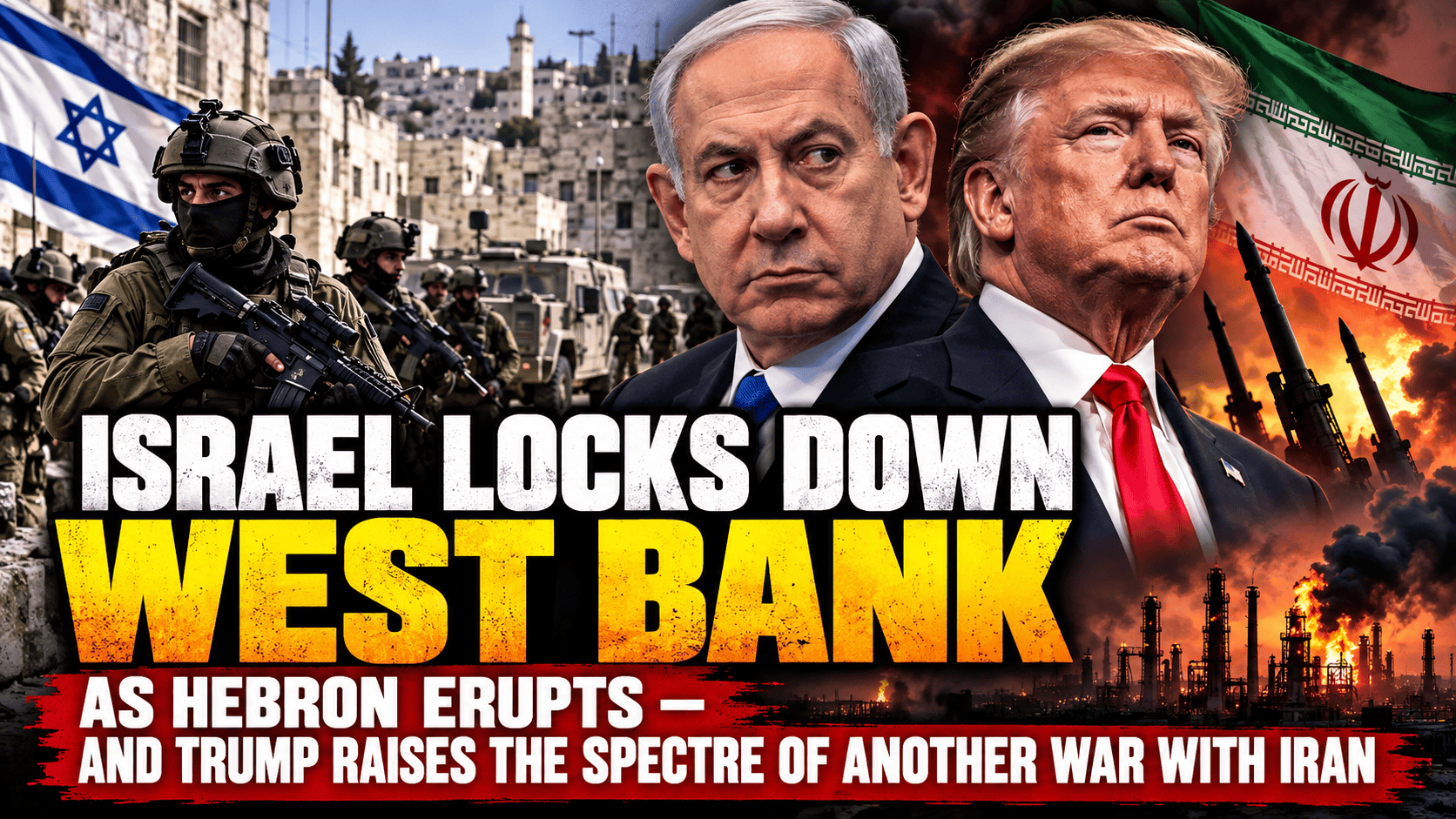
According to a recent report, Iran has stated there is no set date for the next round of talks with the United States, extending a pattern where diplomatic engagement remains technically alive, but operationally undefined.
This is not the kind of pause that usually makes headlines on its own. But in the broader pattern of Iran–US relations, timing itself has become the story.
Iran officials have avoided setting expectations, while US counterparts continue to signal openness without confirming structured progress. The result is a familiar diplomatic gap: communication without convergence.
Reuters reporting on the delay highlights the lack of procedural clarity in the next phase of discussions.
https://www.reuters.com/world/asia-pacific/iran-says-no-date-set-next-round-negotiations-with-us-2026-04-18/
This connects to earlier patterns in ChrisWickNews coverage examining how negotiation cycles between Washington and Tehran often stretch into extended holding phases, especially when regional security incidents begin to accumulate in parallel.
The structure behind repeated delays
What stands out is not the absence of negotiations, but their rhythm.
Across multiple cycles, talks between the United States and Iran tend to follow a familiar structure:
- Initial diplomatic momentum
- External regional pressure builds
- Negotiation timelines become flexible
- Engagement continues informally, but loses precision
This pattern has been visible before in earlier reporting on maritime tensions and strategic shipping disruptions in the Strait of Hormuz region, where economic pressure and security signaling often overlap.
______________________________________________
🔴 Help keep this independent voice alive and uncensored.
Support independent journalism and help keep Chris Wick News going.
👉 Support Chris Wick on GoFundMe
A similar structure appears in previous coverage of shifting naval activity and oil transit risk in the Strait of Hormuz corridor, where diplomatic pauses coincided with increased regional uncertainty.
That pattern suggests something less visible than breakdown: a system where negotiations and regional pressure are running on parallel tracks, but not synchronizing.
Strait of Hormuz remains central to this dynamic, functioning less as a location and more as a pressure indicator for broader geopolitical tension.
Institutional messaging vs operational reality
Public statements from both sides still preserve diplomatic framing. There is no official collapse, no formal withdrawal from engagement, and no declared termination of dialogue.
But institutional messaging is doing something more subtle.
From Tehran’s side, the absence of a date signals control over pace. From Washington’s side, continued openness without scheduling reflects strategic patience—or stalled alignment.
BBC reporting on broader regional diplomacy trends has highlighted how negotiation frameworks in the Middle East increasingly rely on “managed ambiguity” rather than fixed deadlines.
https://www.bbc.com/news/world-middle-east
AP News analysis of similar diplomatic cycles notes that undefined timelines often extend geopolitical standoffs rather than resolve them, particularly where sanctions pressure and security concerns overlap.
https://apnews.com/world-news
Taken together, these signals do not indicate collapse. They indicate drift.
Why timing now matters more than content
In earlier diplomatic phases, the focus was on what was being negotiated: sanctions relief, nuclear constraints, verification mechanisms.
Now, the focus has quietly shifted to when anything will actually happen.
That shift matters because timing becomes a proxy for trust.
When negotiation dates remain unset, it often reflects deeper disagreement about sequencing rather than substance. Who moves first. Who commits first. Who absorbs political risk first.
This is where US–Iran diplomacy tends to stall: not on agreement principles, but on execution order.
This connects to broader analysis in previous geopolitical coverage on cyclical sanctions pressure and regional response behavior, where delays themselves function as strategic positioning rather than failure.
A forward-looking thread emerging from this pattern suggests a likely expansion into a broader analysis of Middle East energy corridor security, where diplomacy, shipping risk, and economic pressure begin to overlap more directly.
A system that stabilizes through delay, not resolution
One of the less discussed aspects of this cycle is that delay is not always accidental.
In long-running geopolitical negotiations, uncertainty can become structurally useful. It preserves options. It avoids escalation. It keeps multiple actors engaged without forcing commitment.
But it also creates a stable instability—where nothing fully breaks, but nothing fully advances either.
From a systems perspective, this is not a pause. It is a maintained state.
Reflection
The absence of a scheduled meeting between Iran and the United States does not signal a reset. It signals continuity without direction.
In that space, diplomacy becomes less about breakthroughs and more about managing the distance between positions that do not change quickly enough to force resolution, but do not stabilize enough to close the gap.
And in that gap, timing becomes the quiet center of everything.


4 thoughts on “Iran–US Talks Drift Further Into Uncertainty as Negotiation Timeline Slips Again”