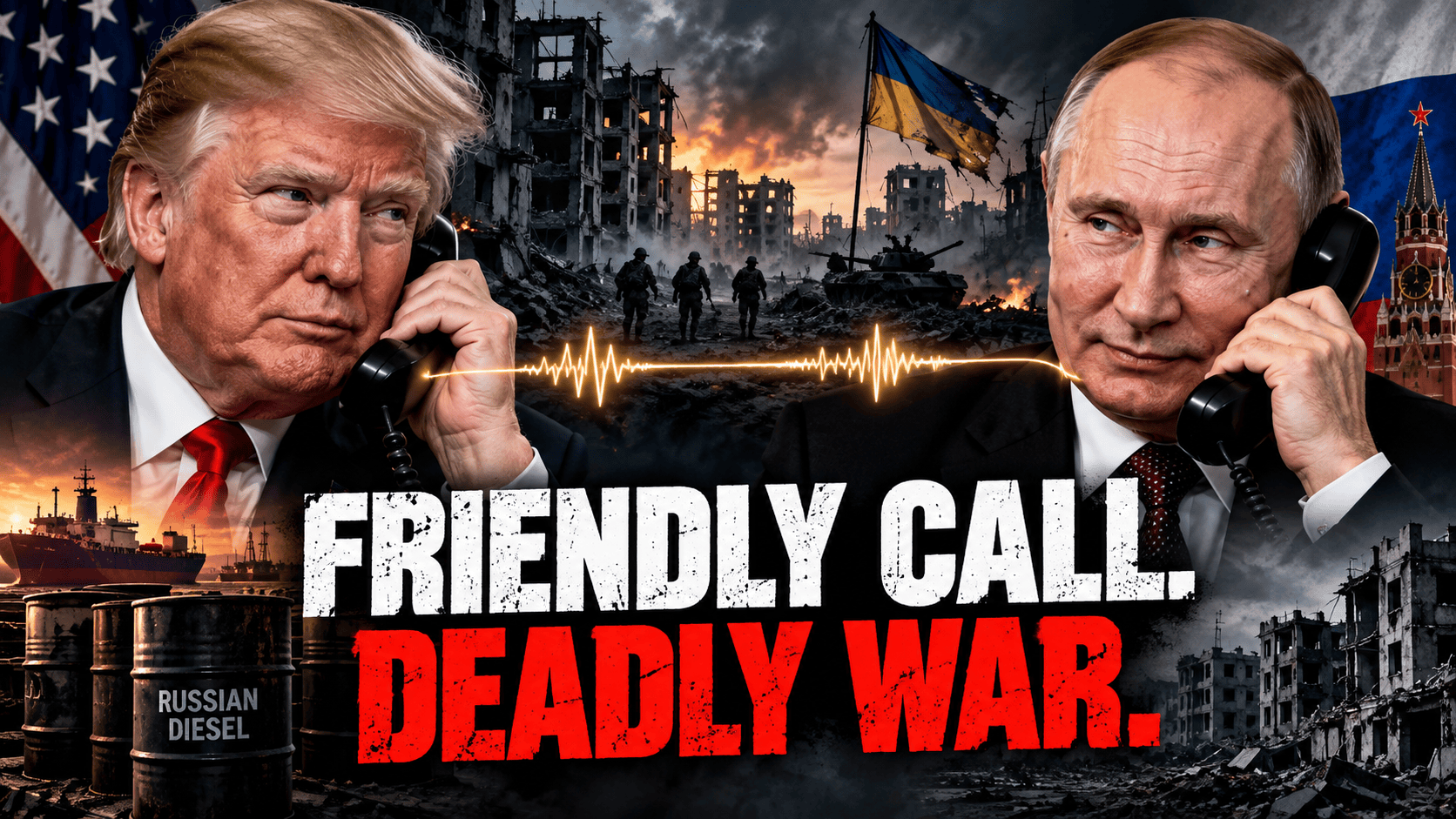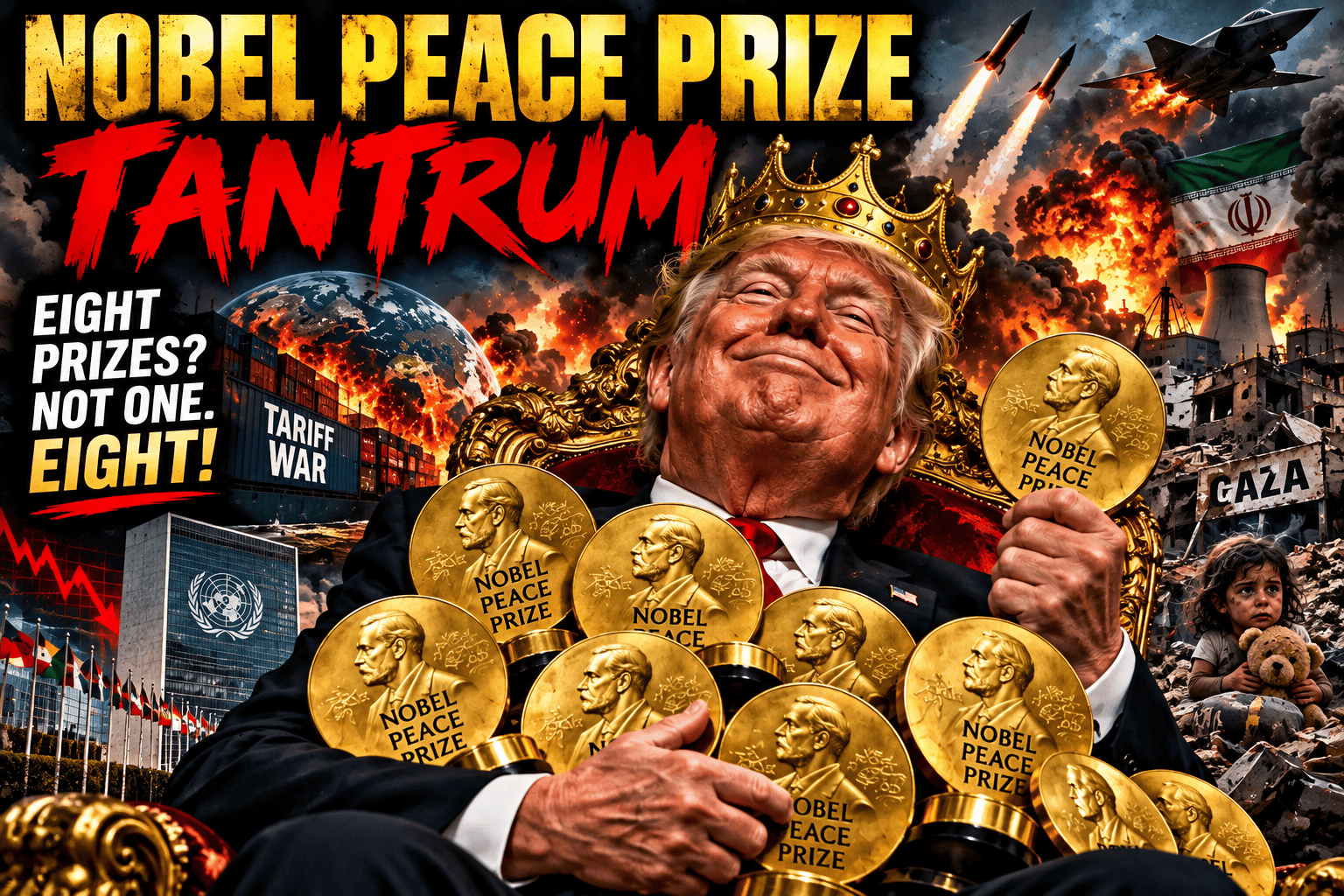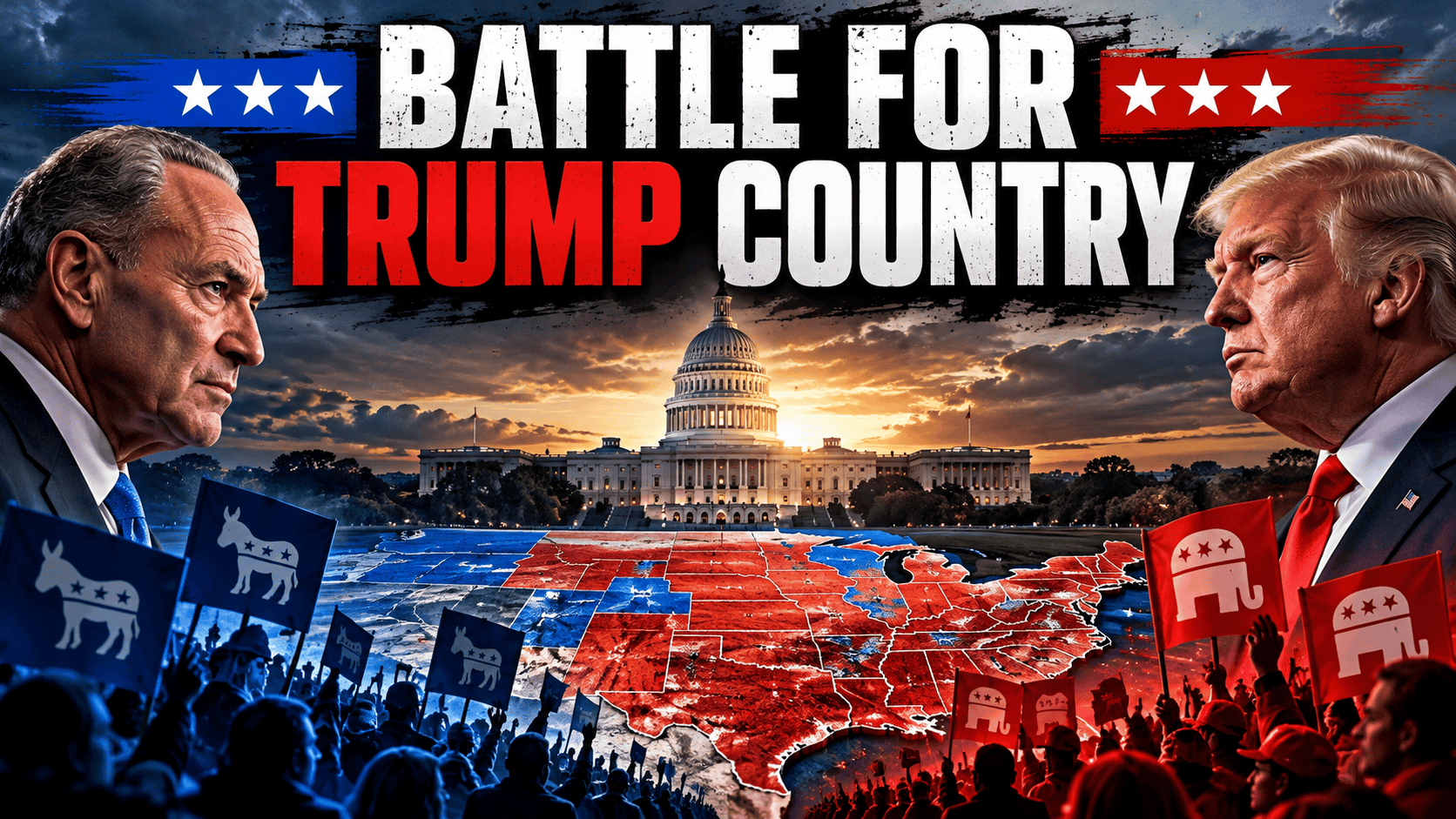





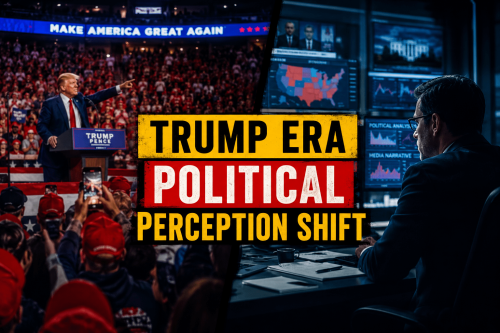
A growing number of observers have begun describing modern U.S. politics less as a traditional debate of policies and more as a collision of narratives. In that space, Donald Trump has become less of a conventional political figure and more of a focal point for interpretation itself — where the same event can appear entirely different depending on who is describing it.
Reuters has repeatedly examined how Trump’s political presence continues to reshape media cycles and public perception, particularly in how information is framed and consumed: https://www.reuters.com/world/us/donald-trump/
What Actually Happened
The Trump era did not unfold as a single, unified storyline. Instead, it developed through overlapping layers of coverage, commentary, and reaction.
Supporters and critics often experienced the same events through completely different informational environments — from cable news framing to social media amplification. Over time, these parallel interpretations hardened into separate versions of reality.
Even routine political developments became highly interpreted moments, where tone and framing often carried more weight than the underlying policy detail.
Why This Moment Matters
What makes this period distinct is not just the political figure at its center, but the speed at which perception became the primary battleground.
In earlier political cycles, disagreement tended to focus on policy outcomes. In the Trump era, disagreement increasingly shifted toward the meaning of events themselves.
That shift has long-term implications. When interpretation overtakes shared baseline facts, political dialogue becomes less about resolution and more about narrative control.
The Pattern Behind the Event
A recurring pattern has emerged: high-attention political figures generate equally high-intensity media ecosystems around them.
______________________________________________
🔴 Help keep this independent voice alive and uncensored.
Support independent journalism and help keep Chris Wick News going.
👉 Support Chris Wick on GoFundMe
Each side of the political spectrum builds reinforcing information loops — selective headlines, commentary ecosystems, and algorithm-driven visibility — which deepen separation rather than narrowing it.
In this environment, l. The reaction to him often becomes as influential as his actual statements or actions.
Where the Tensions Are Building
The tension is no longer confined to election cycles or policy debates. It now extends into everyday information consumption.
As audiences increasingly rely on fragmented media streams, shared understanding becomes harder to maintain. Even basic political events are filtered through competing narratives before they reach the public.
This creates a feedback loop: stronger reactions generate more coverage, and more coverage intensifies division.
What This Could Signal Next
If current patterns continue, political communication may become even more fragmented — not necessarily due to new events, but due to how existing events are processed and amplified.
Figures like Trump may continue to serve as focal points in this system, not only for their policies or statements, but for the interpretive ecosystems that form around them.
The deeper question is not just what is happening in politics, but how many different versions of it can exist at the same time before shared understanding begins to erode.
The Trump era, viewed at a distance, is not only a political chapter but also a case study in perception itself. What remains unclear is whether this fragmentation of shared reality is reversible — or simply the new operating environment.