Something about the timing didn’t quite line up.
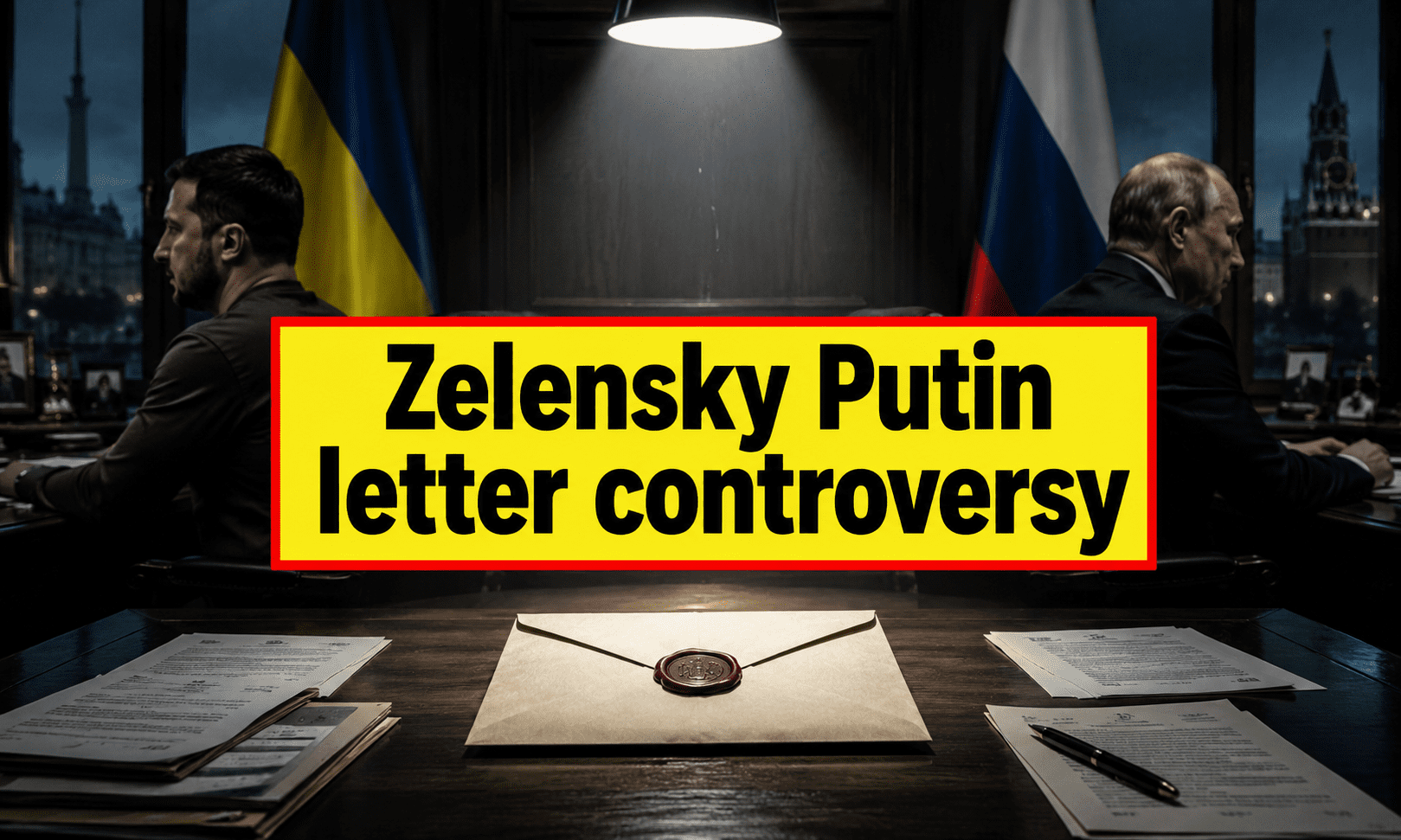
A reported outreach from Volodymyr Zelenskyy to Vladimir Putin surfaced just as pressure continues to mount across multiple fronts in the Ukraine conflict. The reaction inside Moscow was swift—and notably dismissive.
Officials tied to the Kremlin framed the move less as diplomacy and more as performance. That framing alone raises a deeper question: if communication channels are still technically open, why is every signal being interpreted as strategy instead of substance?
And perhaps more importantly—who benefits from that perception?
What Actually Happened
Reports began circulating that Zelenskyy had sent or attempted to send a direct message to Putin, suggesting a possible line of communication amid ongoing hostilities.
Russian officials responded quickly, characterizing the move as political theater rather than a serious diplomatic initiative. The Kremlin’s tone suggested skepticism not just about the message itself, but about its intent and timing.
This reaction reflects a broader pattern: any gesture, even one traditionally associated with negotiation, is now filtered through a lens of strategic distrust.
At the center of it, both leaders—Zelenskyy and Putin—remain locked in a conflict where even symbolic actions carry disproportionate weight.
Why This Moment Matters
Communication between Kyiv and Moscow has been largely frozen in formal terms, especially since escalation phases intensified.
______________________________________________
🔴 Help keep this independent voice alive and uncensored -> Buy us a Coffee <-
A letter—if genuine in intent—would typically signal at least a minimal willingness to reopen dialogue. But in this case, the rejection narrative coming from Russia reframes the situation entirely.
Instead of opening a door, the exchange appears to reinforce the idea that no meaningful dialogue is currently possible under present conditions.
That matters not just diplomatically, but structurally. When symbolic gestures fail, it signals that deeper barriers—political, military, or ideological—are firmly in place.
The Pattern Behind the Event
This is not the first time communication attempts in the Russia-Ukraine conflict have been publicly dismissed or reinterpreted.
Throughout the war, both sides have engaged in what analysts often describe as narrative positioning—where messages are crafted not only for the opposing side, but for international audiences.
Zelenskyy’s leadership has consistently leaned toward public-facing diplomacy, often addressing global institutions and media directly. Meanwhile, the Kremlin has maintained a more controlled and internalized communication strategy.
In that context, even a private letter becomes part of a larger public narrative battle.
The result is a cycle where outreach is rarely taken at face value.
Where the Tensions Are Building
The deeper tension isn’t just between Ukraine and Russia—it’s between perception and intent.
If Moscow views every Ukrainian move as performative, it effectively closes the door on interpreting any action as genuine diplomacy. At the same time, Kyiv’s outward communication strategy depends on visibility and international signaling.
This creates a structural mismatch.
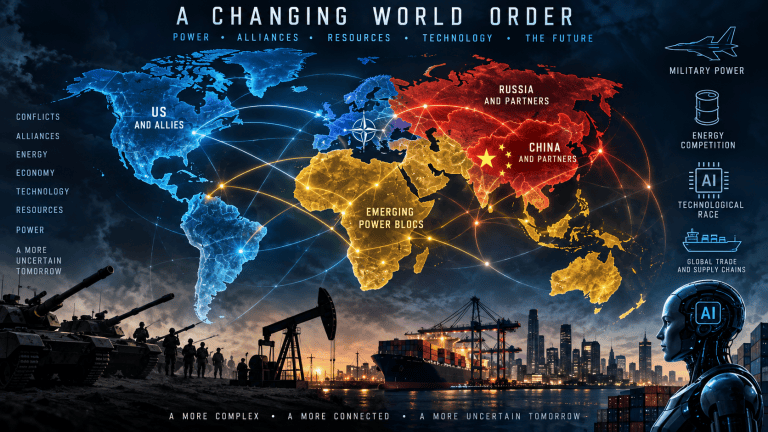
Add to that the involvement of external actors—Western governments, NATO alignment pressures, and shifting global alliances—and the communication landscape becomes even more complex.
Each message is no longer bilateral. It’s global.
What This Could Signal Next
If even the idea of direct communication is publicly rejected, it suggests that both sides may be settling into a longer-term posture rather than seeking immediate resolution pathways.
That doesn’t eliminate the possibility of backchannel discussions—but it does signal that public diplomacy may remain stalled.
And when public channels break down, the unknown becomes more significant than the known.
Because what isn’t being said—or isn’t being acknowledged—often carries more weight than what is.
For related analysis, see:
Internal: /geopolitics/ukraine-russia-escalation-pattern
Suggested: /global-affairs/nato-strategy-eastern-europe
Suggested: /politics/leadership-communication-during-war
About the Author