




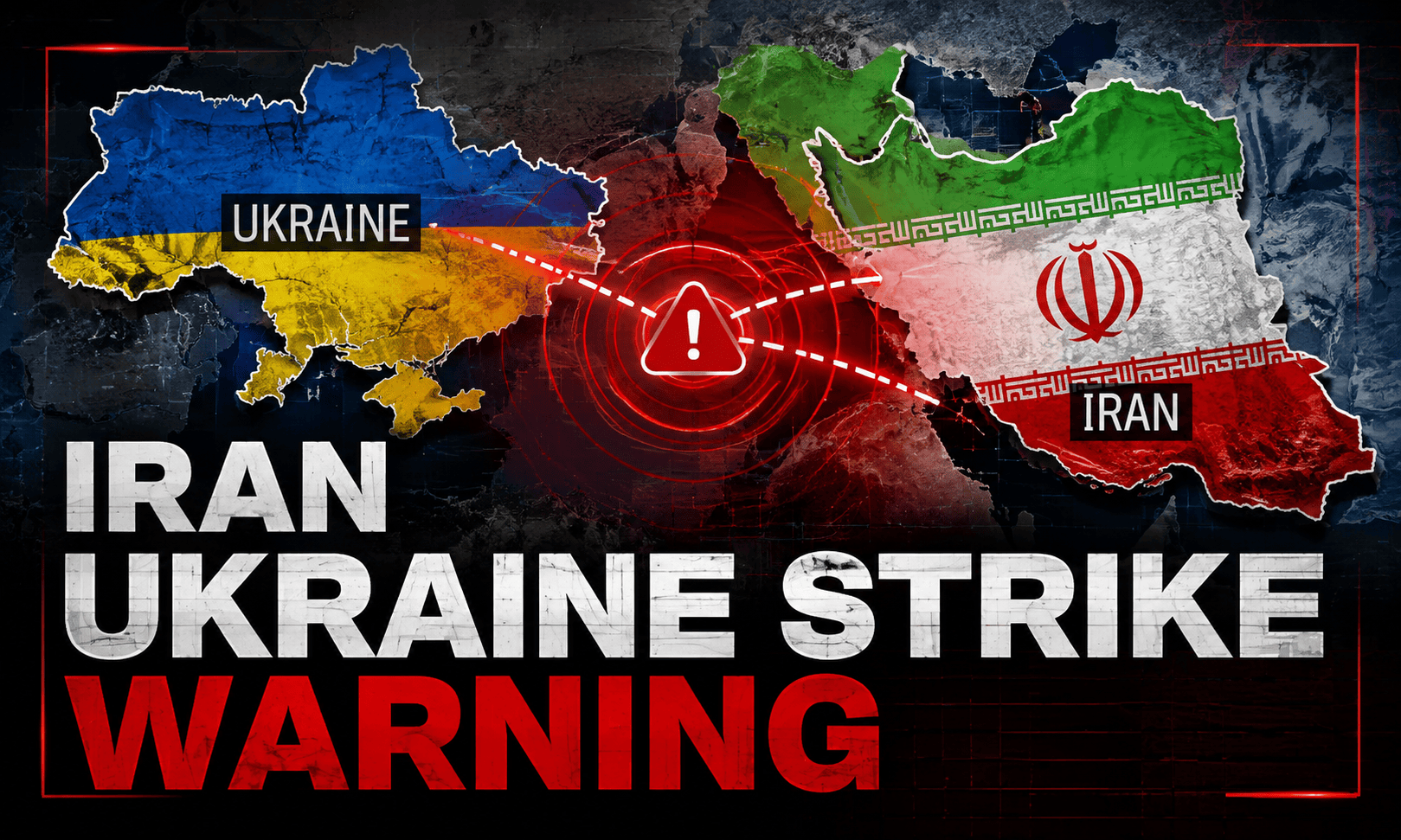
A quiet warning. A sudden reversal. And a geopolitical move that may have prevented a dangerous escalation inside Ukraine.
In a revelation that’s raising eyebrows across global intelligence circles, Iran reportedly backed off a planned strike connected to the Ukraine conflict after receiving a direct message from Western officials. The details, while still emerging, point to a tense behind-the-scenes standoff that never made headlines—until now.
According to reporting from RT, Tehran had been preparing to take action linked to the war in Ukraine. However, that plan was ultimately scrapped after what sources describe as a clear and forceful warning from Western governments. The message was simple: escalation would come with consequences.
What exactly Iran intended to do remains unclear. But the implications are significant. Any direct involvement by Iran in Ukraine—particularly in a military capacity—would mark a major shift in the conflict, potentially widening it beyond its current boundaries and drawing in additional global players.
The warning itself appears to have been effective. Iran stepped back. No strike occurred. And the situation, at least for now, de-escalated before reaching a critical tipping point.
But this raises a deeper question: how close did the world come to another flashpoint?
A Conflict Already on Edge
The war in Ukraine has already drawn in multiple indirect actors. Western nations continue to supply military aid to Kyiv, while Russia has strengthened ties with countries willing to challenge U.S. and NATO influence. Iran has long been accused of supporting Russia, particularly through the provision of drone technology.
If Tehran had moved forward with a strike tied to Ukraine, it could have signaled a more overt role—one that might trigger retaliation or even direct confrontation with Western-backed forces.
That’s why the reported warning matters.
______________________________________________
🔴 Help keep this independent voice alive and uncensored.
Support independent journalism and help keep Chris Wick News going.
👉 Support Chris Wick on GoFundMe
It suggests that Western intelligence agencies were not only aware of Iran’s intentions but also acted quickly enough to intervene diplomatically—before anything escalated on the ground.
The Power of Quiet Diplomacy
While public statements often dominate headlines, it’s moments like these—behind closed doors—that can shape the course of global events.
A single message, delivered at the right time, may have prevented a chain reaction. No missiles launched. No immediate retaliation. No new front opened in an already volatile war.
But that doesn’t mean tensions have eased.
If anything, the incident highlights just how fragile the current balance is. One misstep, one miscalculation, and the conflict could expand in ways that are far harder to contain.
What Comes Next?
Iran’s decision to stand down may be temporary. It may also be strategic. Pulling back now doesn’t rule out future involvement—especially as alliances continue to shift and pressure mounts from all sides.
Meanwhile, Western governments will likely remain on high alert, watching closely for any signs of renewed activity.
For observers, this moment serves as a reminder: not all major developments in global conflicts happen in public view. Some unfold quietly—through warnings, signals, and decisions that never quite make it to the battlefield.
This time, at least, the escalation didn’t happen.
But the question remains—how many more moments like this are unfolding just beneath the surface?