








The Quiet Rise of RNA Crop Technology and the Questions Few Are Asking
RNA crop technology is entering the food system with little public awareness. The science may be promising—but the silence around it is raising new questions.


RNA crop technology is entering the food system with little public awareness. The science may be promising—but the silence around it is raising new questions.

Campbell’s fired executive Martin Bally after a leaked recording showed him mocking customers and claiming soups contained 3D-printed chicken — a claim the company denies. The scandal triggered a Florida investigation into the brand’s ingredients and renewed concerns about lab-grown meat, food transparency, and bioengineered labels. Experts warn that cell-cultured meat carries unknown risks, while consumers grow more skeptical about what corporations are really putting in packaged foods. Even if Bally exaggerated, the fallout shows how fragile public trust has become.

Many people fear cloned beef because it sounds unnatural or dangerous, but the science behind it is surprisingly straightforward. Unlike GMO fruits and vegetables that are genetically altered to enhance sweetness or shelf life, cloned cattle are simply genetic copies of naturally healthy animals. This article breaks down why the fear exists and what’s actually happening behind the scenes.
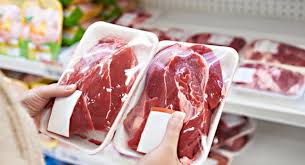
People aren’t panicking about cloned beef because it’s unsafe — they’re reacting to the emotional weight of the word “cloned” and the fear of not knowing what’s in their food. While GMO fruits and vegetables are now widely accepted, cloned animals trigger a deeper instinct about nature, trust, and transparency. This article breaks down why cloned beef causes such a stir even though most of our food has already been altered for decades.