Something isn’t lining up.
Behind closed-door briefings and carefully worded statements, European officials are beginning to hint at a deeper concern—one that doesn’t start at the border, but somewhere much closer to home.
The language is shifting. And so is the focus.
What Actually Happened
Recent discussions among European security officials and NATO-aligned policymakers have raised alarms about how extremist threats are evolving—not just externally, but internally.
In multiple briefings and policy statements, officials have acknowledged that radicalization pathways are increasingly decentralized, often developing within domestic environments rather than being imported through traditional channels.
A report highlighted by BBC coverage on rising extremism concerns in Europe outlines how security agencies are now tracking individuals who become radicalized online, sometimes without direct contact with organized groups.
At the same time, Reuters reporting on NATO security strategy shifts indicates that alliance members are quietly expanding their definition of threats—moving beyond conventional terrorism toward hybrid and ideologically fluid risks.
The implication is subtle, but clear: the threat landscape is no longer as predictable as it once was.
Why This Moment Matters
For decades, European security frameworks were built around identifiable networks—structured groups with traceable funding and leadership.
______________________________________________
🔴 Help keep this independent voice alive and uncensored.
Support independent journalism and help keep Chris Wick News going.
👉 Support Chris Wick on GoFundMe
That model is eroding.
Today’s risks often emerge from isolated individuals or loosely connected online ecosystems. These actors may never cross a border, attend a training camp, or formally join an organization.
This shift complicates everything—from surveillance to prevention.
According to The Guardian analysis on Europe’s counterterrorism challenges, authorities are increasingly struggling to balance civil liberties with the need to intervene earlier in radicalization cycles.
The result is a growing tension between security and freedom—one that remains unresolved.
The Pattern Behind the Event
There’s a pattern emerging, though it’s rarely stated outright.
Security agencies across Europe are:
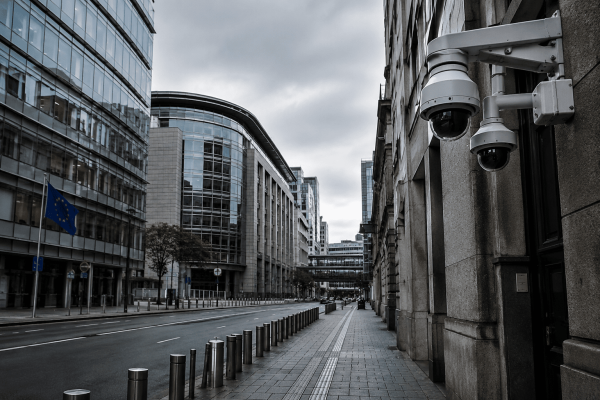
- Expanding monitoring of digital spaces
- Increasing cooperation between domestic and international intelligence units
- Reframing threats as “homegrown” rather than imported
This doesn’t necessarily mean traditional threats have disappeared. Instead, they’ve blended into something harder to isolate.
Online influence, ideological fragmentation, and social instability are forming a new kind of risk environment—one that doesn’t fit neatly into old categories.
And that’s where the uncertainty begins.
Where the Tensions Are Building
The pressure points are becoming more visible.
Urban centers with high population density, regions facing economic strain, and communities experiencing social fragmentation are drawing increased attention from policymakers.
At the same time, political divisions across Europe are intensifying debates about migration, integration, and national identity.
These overlapping tensions create an environment where narratives—whether accurate or not—can spread quickly and shape behavior in unpredictable ways.
Security officials aren’t just watching for actions anymore.
They’re watching for signals.
What This Could Signal Next
If current trends continue, Europe may move toward a more proactive—and potentially more intrusive—security posture.
That could include:
- Expanded digital surveillance measures
- Earlier intervention thresholds for suspected radicalization
- Greater coordination between NATO and domestic agencies
But each of these steps carries its own risks.
Public trust becomes a critical variable. Push too far, and authorities risk backlash. Move too slowly, and they risk missing emerging threats.
There’s no clean path forward.
Only trade-offs.
And those trade-offs are starting to surface in ways that are harder to ignore.
The question isn’t just where the next threat comes from.
It’s whether the systems designed to stop it are already struggling to keep up.