Trump Iran Peace Proposal Rejection 2026 – High-Stakes Diplomatic Tension Between US and Iran
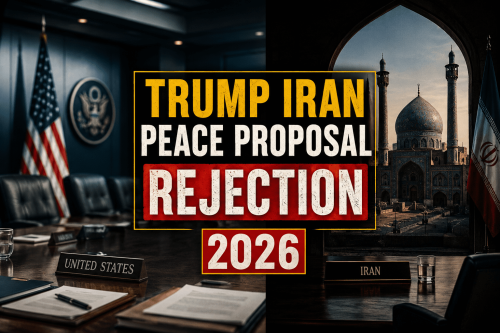
A quiet but significant diplomatic signal has emerged between Washington and Tehran, after Donald Trump rejected Iran’s response to a US-backed peace proposal, describing it as “unacceptable.” The exchange, first reported through diplomatic channels and covered by Reuters, suggests negotiations are not collapsing—but they are tightening into a far more rigid phase where compromise is becoming harder to reach.
What Actually Happened
The situation began with a US peace proposal delivered to Iran through indirect diplomatic intermediaries. Iran responded through the same backchannel system, but according to reporting from Reuters, Trump dismissed the response as not meeting Washington’s conditions.
What stands out is not just the rejection itself, but the tone. Rather than signaling continuation, the language used suggests the proposal failed to move within the expected diplomatic boundaries.
The details of Iran’s response have not been publicly released, but the US position indicates that key demands—likely tied to security guarantees, sanctions expectations, or verification mechanisms—were not sufficiently addressed.
Why This Moment Matters
Diplomatic exchanges like this often appear procedural on the surface, but they tend to reveal where negotiations truly stand beneath official messaging.
A rejection at this stage suggests that both sides still see value in talking—but not at the current terms.
That distinction matters. It means dialogue remains open, but the structure of that dialogue is now under strain.
When proposals begin bouncing back and forth without acceptance, negotiations typically shift from problem-solving toward positioning—each side reinforcing its baseline rather than moving toward convergence.
The Pattern Behind the Event
______________________________________________
🔴 Help keep this independent voice alive and uncensored -> Buy us a Coffee <-
US–Iran diplomatic history has repeatedly followed a familiar cycle: engagement, cautious optimism, disagreement over technical details, then stalled progress.
This latest exchange fits neatly into that pattern.
The early stage of proposals often carries the most flexibility, but as negotiations advance, core issues like sanctions relief, nuclear oversight, and regional influence become harder to reconcile.
Even when communication remains active, progress tends to slow as each side recalibrates expectations based on internal political pressures and regional developments.
Where the Tensions Are Building
Several underlying pressure points continue to shape the direction of these talks:
Sanctions remain one of the most immediate friction points, as Iran seeks economic relief while the US conditions any easing on compliance benchmarks.
Nuclear oversight also remains central, particularly around verification mechanisms and enforcement guarantees.
At the same time, regional security dynamics continue to influence the diplomatic environment, with broader Middle East tensions adding weight to every negotiation round.
These overlapping issues make even small disagreements feel larger than they appear in official statements.
What This Could Signal Next
The rejection of Iran’s response does not necessarily indicate a breakdown in diplomacy. Instead, it may signal a recalibration phase.
Three paths typically emerge after moments like this:
- A revised proposal with adjusted terms from one or both sides
- A temporary pause in structured negotiations while backchannels continue
- Continued indirect dialogue without immediate breakthroughs
None of these scenarios suggest immediate resolution.
Instead, they point to a prolonged negotiation cycle where communication persists, but progress is incremental and uncertain.
About the Author