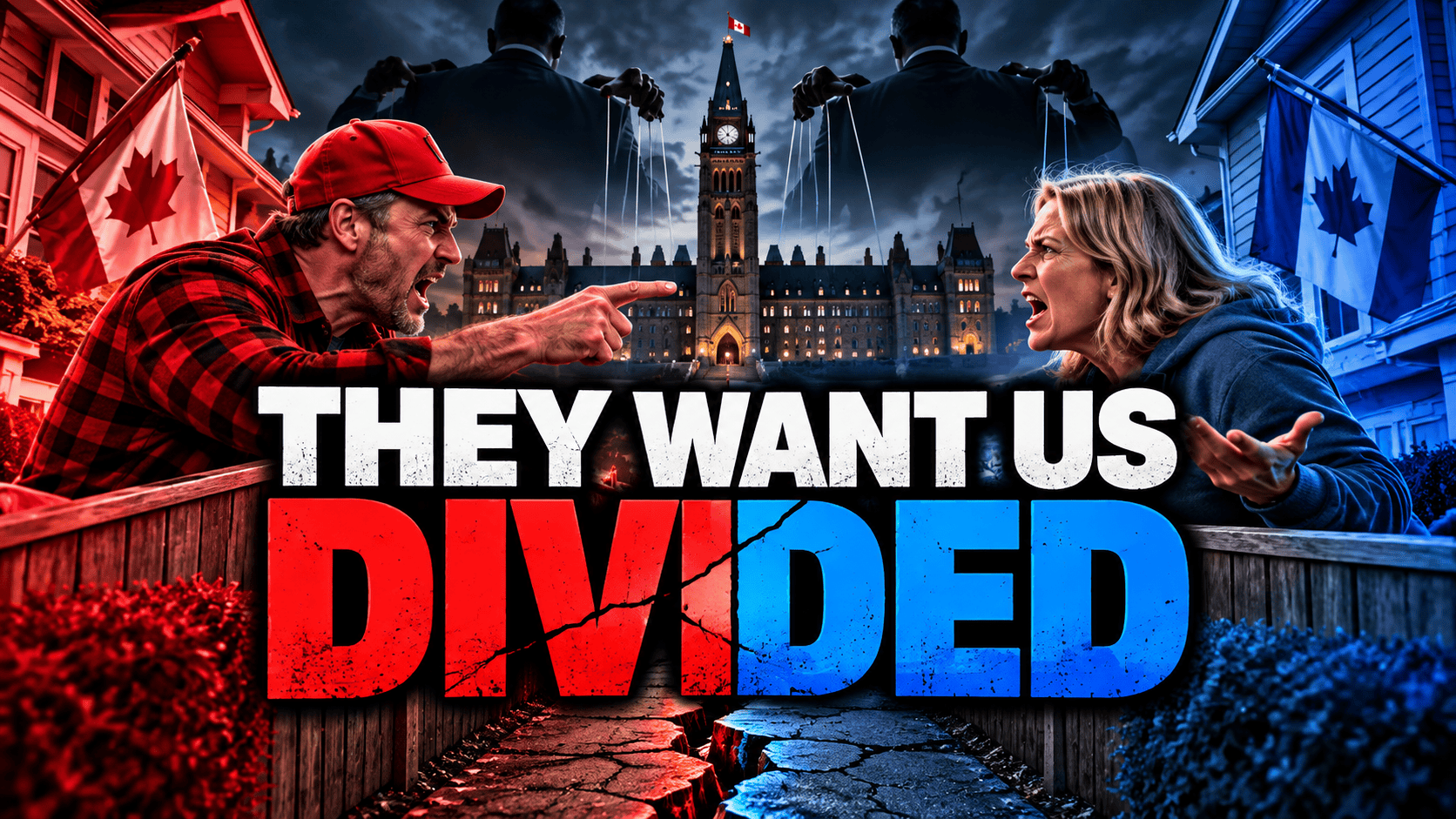
A growing number of people are asking a quiet but uncomfortable question: why does it feel like the same stories, framed in the same way, appear everywhere at once? Not as a single revelation, but as a pattern noticed across news feeds, search results, and social platforms. The concern is less about a single outlet—and more about how information itself is now filtered, ranked, and repeated.
At the center of that unease is a modern reality: most people no longer encounter news directly. They encounter it through systems that decide what appears first, what gets amplified, and what quietly disappears from view.
What Actually Happened
Over the past decade, major news organizations and digital platforms have become increasingly intertwined with algorithm-driven distribution systems. That shift has changed not only how stories are delivered, but how they are seen.
A Reuters report examining the evolution of digital media distribution highlighted how platform algorithms now play a central role in shaping public visibility of news content, often prioritizing engagement signals over chronological or editorial balance.
Source: https://www.reuters.com/technology/
At the same time, the BBC has reported extensively on growing public skepticism toward media institutions, noting that trust in news has become increasingly fragmented across different demographics and platforms.
Source: https://www.bbc.com/news/technology
These developments are not framed as a coordinated system, but as parallel responses to the same structural shift: attention has become the primary currency of information.
Why This Moment Matters
The significance isn’t just technological—it’s psychological.
When people consume news through curated feeds, they often encounter repetition of similar framing, even when sources differ. That repetition can create the impression of uniform messaging, even if the underlying reporting is independent.
This is where perception begins to diverge from process.
______________________________________________
🔴 Help keep this independent voice alive and uncensored.
Support independent journalism and help keep Chris Wick News going.
👉 Support Chris Wick on GoFundMe
To the public, it can feel like a single narrative.
To media organizations, it is often the result of shared reporting standards, trending topics, and algorithmic amplification.
The gap between those two experiences is widening.
The Pattern Behind the Event
Several structural forces are converging at once:
- Algorithmic ranking systems prioritizing engagement
- Consolidation of digital traffic through a few dominant platforms
- Increased speed of global news replication
- Reduced direct access to original reporting for many users
An Al Jazeera analysis of digital media ecosystems described how platform-driven distribution can unintentionally amplify certain narratives while making others harder to surface, depending on user behavior and engagement trends.
Source: https://www.aljazeera.com/economy/
None of these systems are designed to suppress inquiry. But they do shape visibility in ways that are often invisible to the end user.
That invisibility is where misunderstanding tends to grow.
Where the Tensions Are Building
The tension today is not necessarily between “official” and “unofficial” information.
It is between:
what is published
what is amplified
and what is actually seen
As audiences increasingly rely on algorithmically curated feeds, many are noticing that their information environment feels narrower than expected—even when access to content has technically expanded.
This creates a paradox: more information than ever, but less certainty about why certain stories dominate attention.
What This Could Signal Next
If current trends continue, the next phase of media evolution may not be about access to information—but about transparency in how information is selected.
That includes questions such as:
Why certain stories trend globally within hours
How recommendation systems prioritize emotional engagement
What role user behavior plays in shaping visibility loops
The underlying issue is not just trust in media, but trust in the systems that decide what becomes “visible reality” in the first place.
And that distinction may define the next era of public discourse more than any single news event.
There is no single switch controlling what people see. But there is a growing awareness that modern information is no longer just reported—it is filtered through layers that are not always visible, and not always understood.
The question now is not only what is being reported, but how much of the wider picture is shaped before it ever reaches the screen.