Something shifted behind closed doors this week—and it didn’t come with a press conference.
While public rhetoric still sounds firm, a quieter reality is beginning to surface: a potential off-ramp is being discussed, and it’s happening faster than many expected.
What Actually Happened
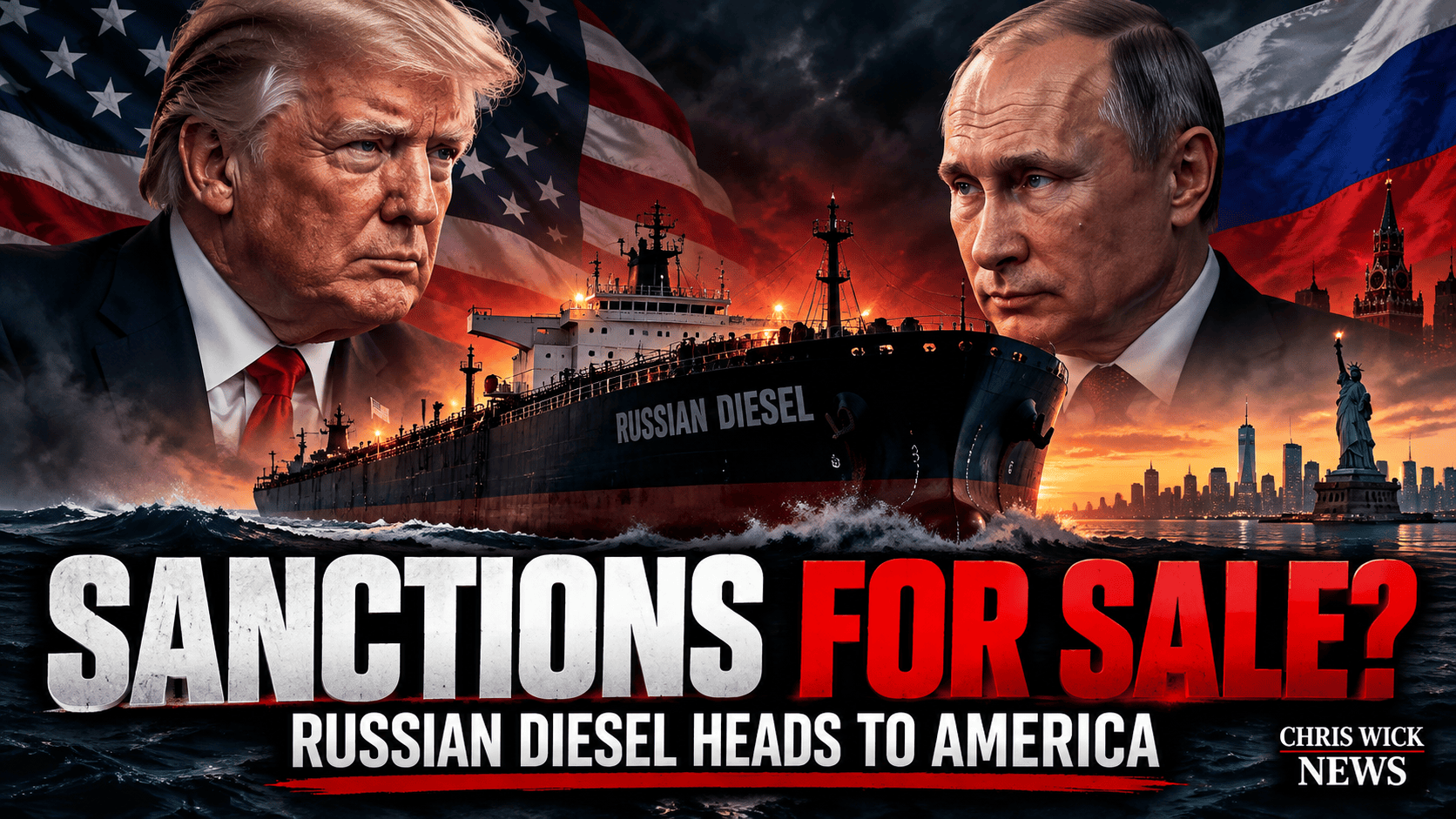
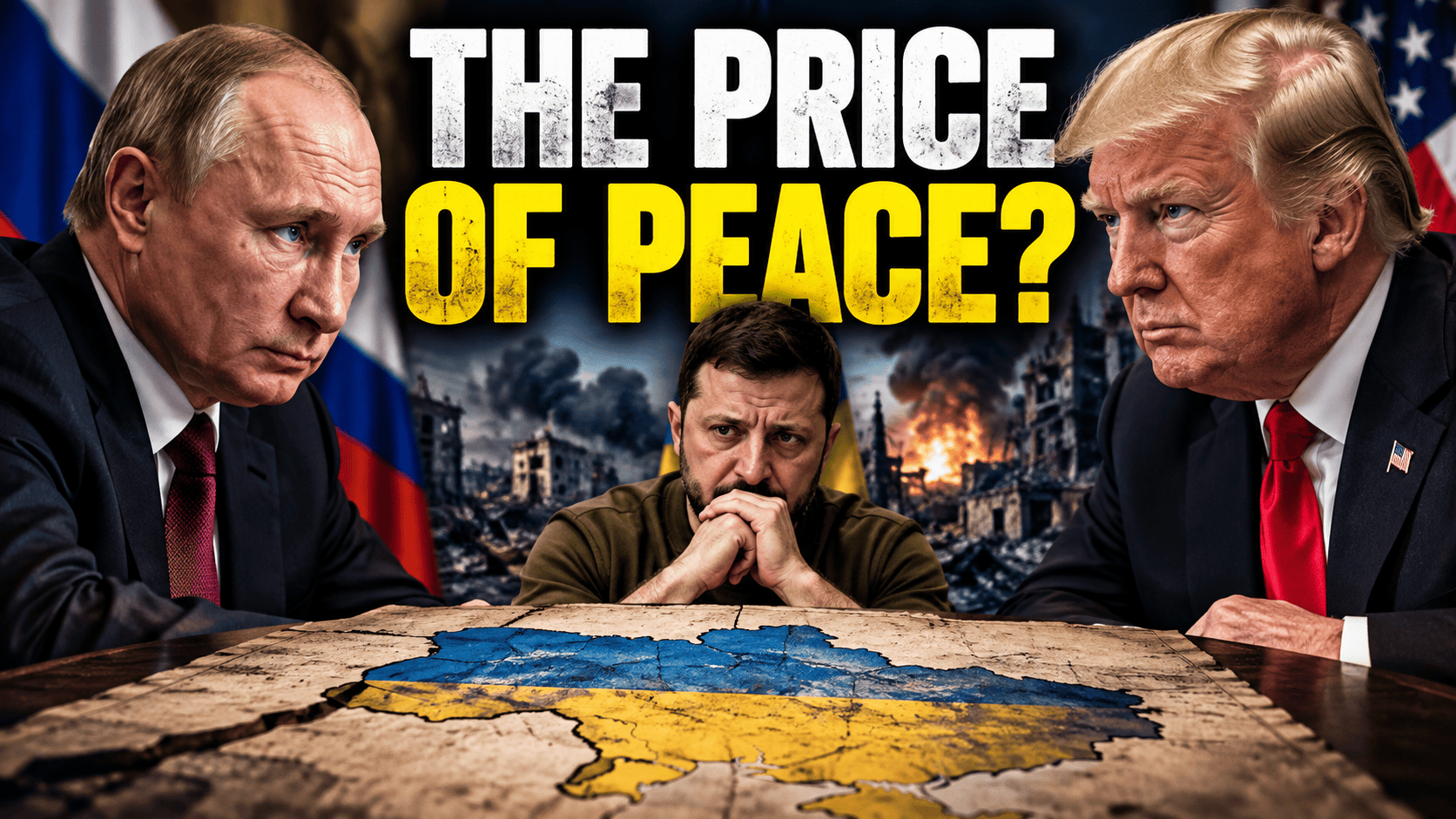
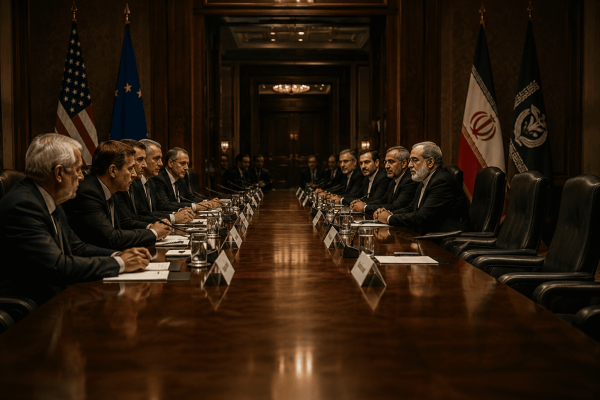
A developing report from Reuters coverage of Trump Iran peace proposal reveals that former U.S. President Donald Trump is actively reviewing a proposal aimed at bringing a rapid end to escalating tensions with Iran.
According to officials familiar with the discussions, the proposal outlines a framework designed to halt further military escalation while opening a path toward negotiation. Though details remain limited, the tone suggests urgency rather than long-term diplomacy.
What stands out is the speed.
This is not a slow-building diplomatic effort—it appears to be a compressed timeline, suggesting that something behind the scenes may be forcing decisions faster than usual.
Why This Moment Matters
For months, the narrative surrounding Iran has leaned heavily toward confrontation.
Military positioning, economic pressure, and political messaging all pointed toward prolonged instability. A sudden pivot toward de-escalation—especially one moving quickly—signals that internal calculations may have changed.
Peace proposals rarely emerge without pressure.
______________________________________________
🔴 Help keep this independent voice alive and uncensored.
Support independent journalism and help keep Chris Wick News going.
👉 Support Chris Wick on GoFundMe
Whether that pressure is economic, political, or strategic isn’t fully clear yet. But when timelines shrink, it often means the cost of waiting has grown too high. US foreign policy strategy.
The Pattern Behind the Event
This isn’t the first time a rapid diplomatic shift has followed rising tension.
Historically, moments of peak escalation often precede sudden negotiation attempts—especially when outcomes become unpredictable. It creates a pattern where public positioning builds toward conflict, while private channels begin searching for exits. Middle East energy markets.
The current situation fits that model.
Public messaging remains firm, but behind the scenes, the tone appears more flexible. It suggests dual-track communication: one for public perception, another for real-world outcomes.
Where the Tensions Are Building
The broader region remains unstable, and multiple pressure points are converging.
Energy markets are reacting.
Alliances are being tested.
And regional actors are watching closely for any sign of weakness or opportunity.
Even the possibility of a peace proposal can create ripple effects—shifting expectations, influencing markets, and altering strategic decisions before anything is formally agreed upon.
That uncertainty may be as impactful as the proposal itself.
What This Could Signal Next
If the proposal gains traction, it could signal a short-term de-escalation phase.
But fast-moving peace efforts also carry risks.
Agreements reached quickly can lack durability if underlying tensions aren’t addressed. That raises the possibility that any resolution may be temporary—more of a pause than a permanent solution.
At the same time, if negotiations fail, the rapid timeline could just as easily accelerate the return to confrontation.
Everything now hinges on what isn’t being said publicly.
There’s a quiet tension in moments like this—the sense that decisions are being made just out of view, where timing matters more than messaging.
What looks like a sudden shift may have been building for longer than anyone realized… or it may be a response to something we haven’t seen yet.