The threat is no longer just diplomatic. It has become personal.
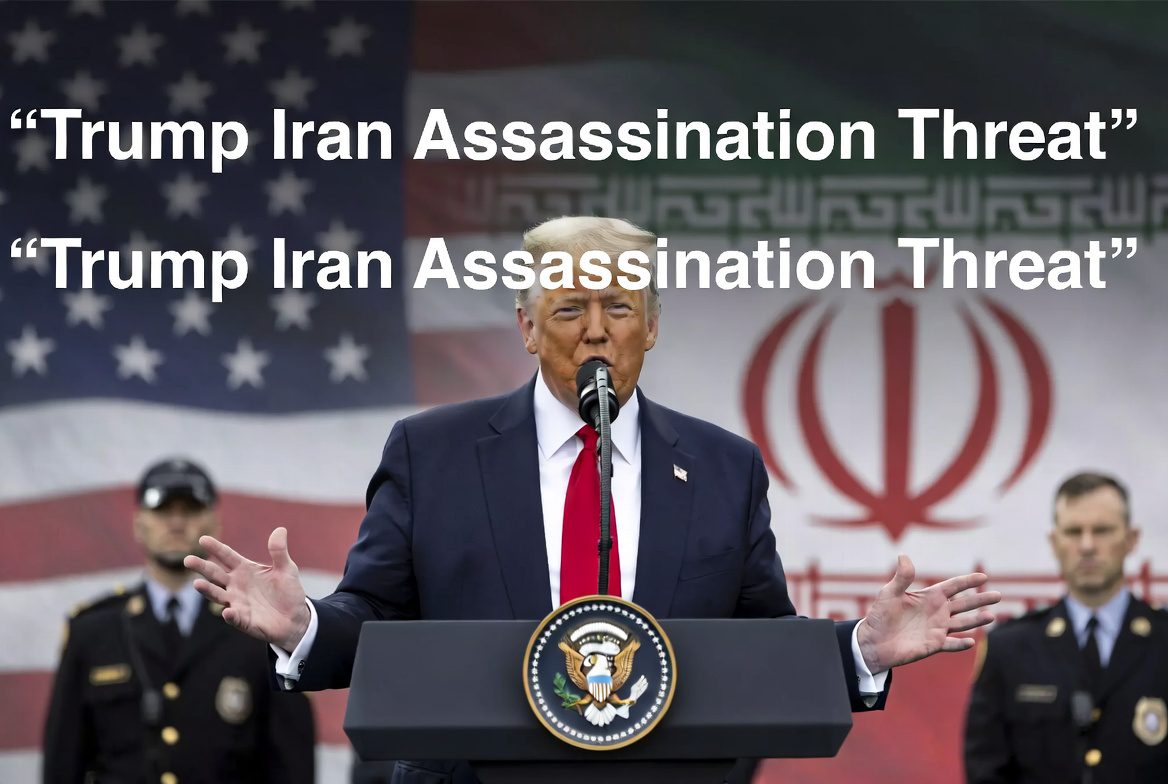
Donald Trump says he believes he has become Iran’s top assassination target as the confrontation between Washington and Tehran enters a new and increasingly volatile phase.
The president’s warning comes as years of hostility between the two countries continue to escalate, with old grievances, military strikes, and political revenge narratives shaping a conflict that shows few signs of cooling down.
According to the original report from RT, Trump claimed that Iran considers him its primary target because of actions taken against Iranian leadership and military figures. Read the original report here: https://www.rt.com/news/642796-trump-iran-assassination-target/
Trump pointed to previous confrontations with Tehran and argued that his administration’s decisions made him a symbol of opposition to the Iranian government. The comments highlight how deeply personal the U.S.-Iran conflict has become, moving beyond traditional state-to-state tensions into a battle fueled by ideology, retaliation, and political symbolism.
A Conflict Built on Years of Retaliation
The relationship between Trump and Iran has been marked by repeated threats and counter-threats.
During Trump’s first presidency, tensions reached a breaking point after the U.S. killing of Iranian military commander Qassem Soleimani in 2020. Tehran promised revenge, while Washington warned that any attack on Americans would trigger a major response.
Since then, accusations and security concerns have continued. U.S. officials have previously claimed Iran-linked actors were involved in alleged assassination plots targeting Trump and other American figures, claims Tehran has rejected.
For security agencies, protecting a former or current president already involves significant challenges. But when geopolitical rivals openly discuss retaliation, the threat environment becomes even more complex.
Political Statements With Global Consequences
Trump’s comments are likely to intensify debate over whether the United States and Iran are moving toward another confrontation or whether both sides are using strong rhetoric as a pressure tactic.
______________________________________________
🔴 Help keep this independent voice alive and uncensored -> Buy us a Coffee <-
Supporters argue that the threats demonstrate the seriousness of Iran’s opposition to American policies. Critics argue that escalating language between nuclear-armed states increases the possibility of miscalculation.
The biggest question is what happens next.
Will these threats remain political messaging designed to influence negotiations and public opinion? Or could continued escalation create a situation where one event triggers a much larger crisis?
The Personal Risk Behind Presidential Power
Throughout modern history, American presidents have faced security threats from foreign governments, extremist groups, and individual attackers.
But Trump’s situation is unusual because of the combination of his direct involvement in policies targeting Iran and the personal anger directed toward him by some Iranian officials and supporters.
At the same time, experts often warn that public accusations and threats can create their own momentum. Once leaders become symbols of national conflict, the risks can extend beyond official government actions.
The latest comments serve as a reminder that international conflicts are not only fought through military decisions and negotiations. They are also fought through perception, messaging, and the powerful emotions that surround them.
As tensions continue, the world will be watching whether this latest warning becomes another chapter in a long-running confrontation — or a sign of something far more dangerous ahead.
About the Author