It doesn’t look like a collapse.
Not yet.
But something is off—and more people are starting to feel it without quite knowing why.
At first glance, everything still holds together. The headlines rotate through familiar villains. Trade disputes. Climate debates. Political personalities turned into symbols. It’s all loud enough to keep attention moving, but not quite clear enough to settle anything.
That may be the point.
Because underneath the noise, a quieter shift has been taking shape—one that doesn’t announce itself, doesn’t trend, and doesn’t fit neatly into a headline. It lives in small decisions. Voting patterns. Conversations that end quicker than they used to. Questions that never get asked out loud.
And once you notice it, it’s difficult to unsee.
There was a time when disagreement still carried curiosity. People argued, yes—but they also listened, if only briefly. Now the tone has changed. Positions harden faster. Labels come quicker. Entire groups are reduced to single ideas, then dismissed just as quickly.
This becomes clearer when looking at how political loyalty has evolved. It’s no longer about policy as much as identity. Support isn’t always earned—it’s assumed. Criticism isn’t debated—it’s rejected. And somewhere in that shift, accountability begins to fade.
A similar pattern appeared in media consumption. Trust didn’t just decline—it fractured. People didn’t stop watching; they simply chose different versions of reality. Outlets stopped informing and started reinforcing. Over time, repetition replaced verification.
What happened next raised more questions than answers.
______________________________________________
🔴 Help keep this independent voice alive and uncensored.
Support independent journalism and help keep Chris Wick News going.
👉 Support Chris Wick on GoFundMe
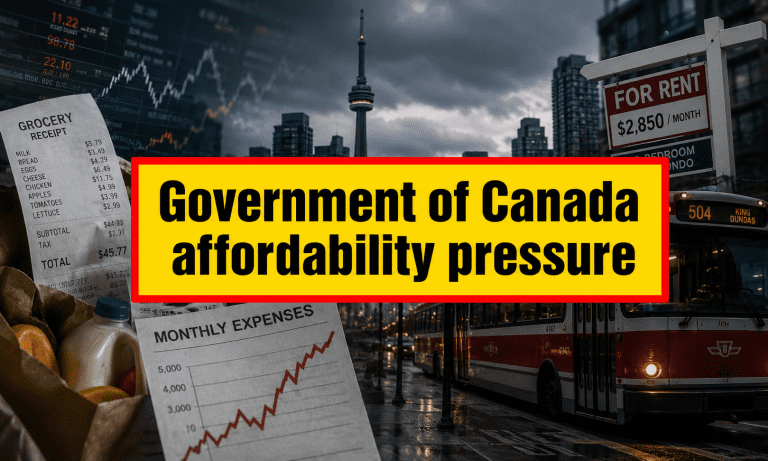
Economic pressure began to creep into places that once felt stable. Not all at once. Quietly. Rent stretching further than expected. Grocery bills that don’t quite make sense anymore. Young families recalculating plans they assumed were guaranteed.
Individually, these moments seem manageable. Collectively, they suggest something deeper.
This connects to a broader shift in public perception—where discomfort is reframed as progress, and concern is often dismissed as resistance. The language changes first. Then the expectations. Eventually, the baseline moves so gradually that few remember where it started.
And through it all, a strange contradiction persists.
People feel the strain. They talk about it in private. They see it in their children’s prospects, in aging parents, in neighborhoods that don’t feel quite the same. But when it comes time to trace it back—to connect decisions with outcomes—something interrupts the process.
Call it fatigue.
Call it distraction.
Or something else entirely.
Because recognizing a problem is one thing. Naming it is another.
There’s a growing sense that the real tension isn’t coming from where most are told to look. It isn’t just external pressure or distant policy. It’s closer than that. Embedded in the systems people trust. Reinforced by habits that feel normal. Sustained by choices that, at the time, didn’t seem significant.
And maybe that’s why it’s so difficult to confront.
No one wants to believe they played a role in something unraveling. It’s easier to point outward. Easier to assign blame to a figure, a country, a headline. Harder to sit with the possibility that the shift came from within—slowly, collectively, almost invisibly.
But the signs are there.
They’ve been there for a while.
The question is whether anyone is willing to follow them all the way through.
Because what just happened in Canada’s shifting economic landscape may change how this is understood.
A deeper look at this pattern reveals something unexpected.
And this may connect to a broader shift that’s quietly underway.
Suggested Supporting Sources
Rising cost of living and economic pressure in Canada
https://www150.statcan.gc.ca/n1/daily-quotidien/
Housing affordability crisis data and trends
https://www.cmhc-schl.gc.ca/en/professionals/housing-markets-data-and-research
Food bank usage reaching record levels
https://foodbankscanada.ca/research/
About the Author