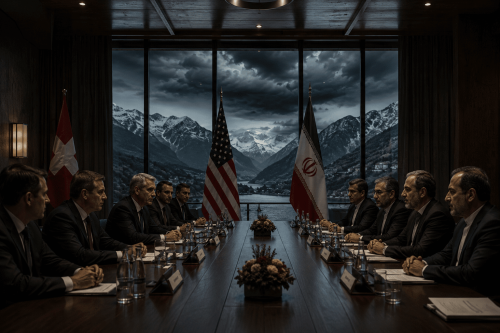
The diplomatic table in Switzerland is once again becoming the center of a much larger global tension—where peace talks and regional conflict are colliding in real time, and nothing feels stable for long.
According to recent reporting, U.S. envoy Steve Witkoff and Iranian Foreign Minister Abbas Araghchi are expected to engage in high-level discussions in Switzerland aimed at advancing a fragile framework agreement between Washington and Tehran. The goal: stabilize a ceasefire, prevent further regional escalation, and push forward a controversial interim understanding tied to nuclear restrictions and sanctions relief.
But beneath the language of “progress,” the situation is far more unstable.
A Peace Process Built on Shifting Ground
The talks arrive after days of disruption, with previous negotiations postponed amid renewed violence in Lebanon and pressure from regional actors. What was supposed to be a structured diplomatic path has turned into a stop-start cycle of cancellations, rescheduling, and emergency mediation.
Each delay reinforces the same reality: the agreement is not anchored in trust—it is anchored in urgency.
And urgency is not stability.
Switzerland Becomes the Pressure Chamber
Switzerland has once again become the neutral backdrop for one of the world’s most volatile negotiations. Mediators from Qatar and other regional players are reportedly involved, attempting to hold together a framework that is already showing cracks.
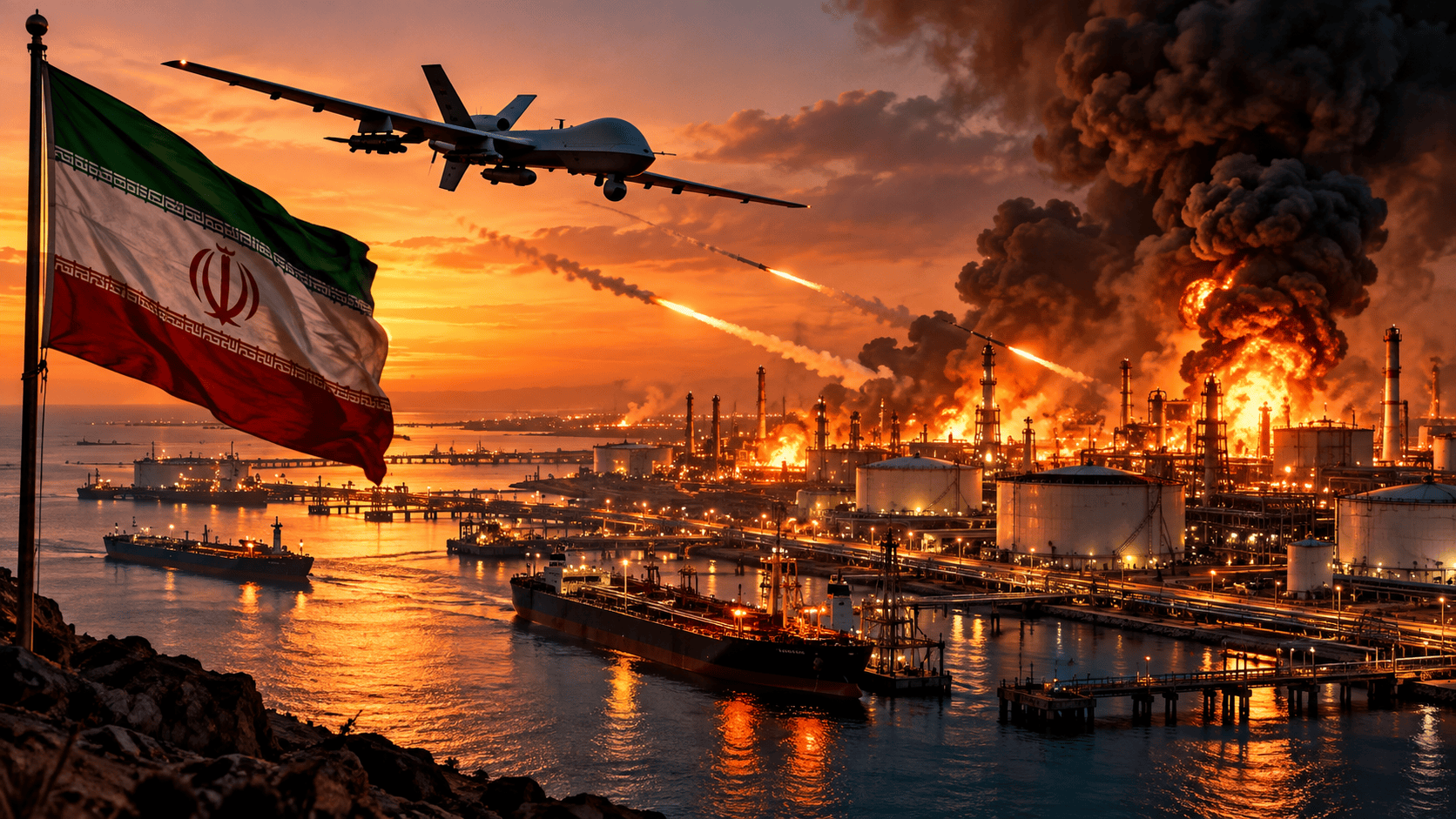
The discussions are not just about nuclear policy. They are tied to broader issues—regional militias, energy corridors, and ongoing instability stretching from Lebanon to the Strait of Hormuz.
Every layer adds pressure.
______________________________________________
🔴 Help keep this independent voice alive and uncensored.
Support independent journalism and help keep Chris Wick News going.
👉 Support Chris Wick on GoFundMe
Every delay raises the stakes.
The Shadow Behind the Diplomacy
While officials speak in careful language about “implementation phases” and “sequencing agreements,” the reality is that the geopolitical temperature remains high. Recent fighting in Lebanon and broader regional tensions continue to shape the negotiating environment.
This is not a clean diplomatic reset. It is a negotiation happening under the weight of ongoing conflict.
And that makes every handshake provisional.
A Deal That Could Collapse Before It Fully Forms
The interim U.S.–Iran framework is being described as reversible—something that can be walked back if conditions fail to hold. That alone signals how fragile the structure is.
A senior U.S. official reportedly acknowledged that both sides retain the ability to withdraw, meaning the entire process exists in a narrow window of political will and military restraint.
If either side steps away, the system resets.
And the region could follow.
The Bigger Picture Beneath the Headlines
What is unfolding in Switzerland is not just diplomacy. It is an attempt to contain a wider regional fracture using negotiation instead of escalation.
But containment only works when all sides believe it is better than confrontation.
Right now, that belief looks conditional at best.