






A Sudden Surge of European Alarm: Coincidence or Strategy?
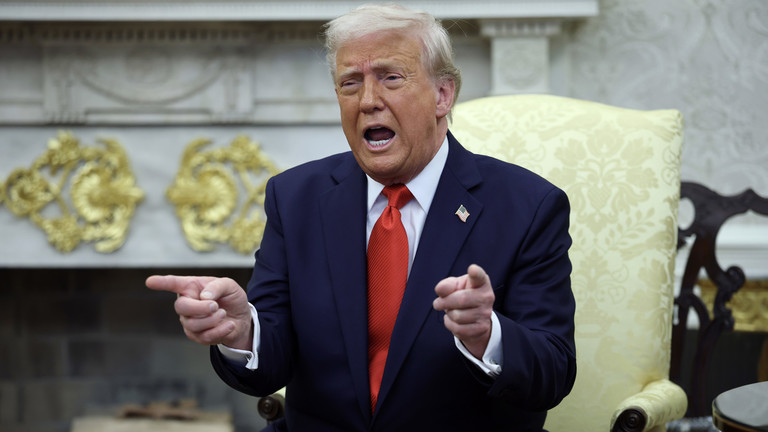
US President Donald Trump has largely avoided deep involvement in the Ukraine conflict, often signaling a desire to keep America’s boots out of European soil while collecting international accolades. Yet recently, he’s shifted tone, suggesting Ukraine could not only defend itself but possibly push back further against Russia.
Does Trump truly believe this? Unlikely. The sudden interest comes amid massive weapons deals for NATO allies—a convenient financial incentive. And now, European NATO leaders may be orchestrating a series of events designed to pull the US deeper into the conflict under the guise of airspace violations.
The Rise of “Airspace Outrage”: A Convenient Pattern
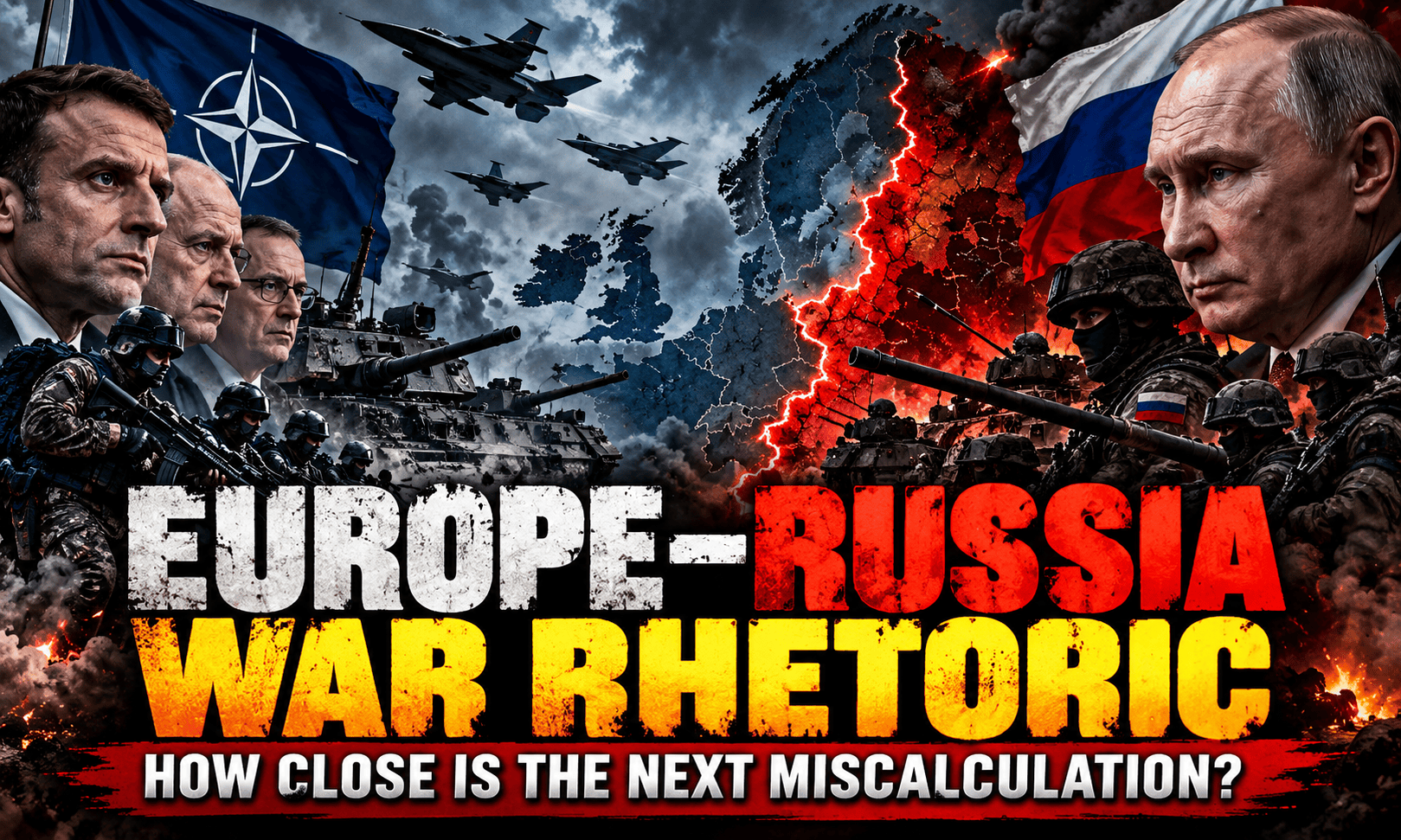
In the past month, allegations of Russian violations of NATO airspace have surged. Estonian MiGs reportedly crossed into Estonian territory for 12 minutes—a brief window that nonetheless triggered alarm across multiple European capitals. German, Czech, Polish, and Lithuanian officials echoed calls to respond decisively, even with force.
“The Kremlin needs a clear stop sign…every military border violation will be answered with military means, up to and including shooting down Russian fighter jets over NATO territory,” said German parliamentarian Jürgen Hardt.
The EU chorus paints these incidents as reckless Russian aggression, framing them as a growing threat to NATO’s eastern flank. Yet verifiable evidence remains scarce, raising the question: are these incidents real, or carefully timed provocations?
Eastern Sentry and the Push for US Involvement
NATO’s rapid operational response, such as Operation Eastern Sentry, has deployed RAF Typhoons over Poland, ostensibly to provide support “for Ukraine.” European officials stress the seriousness of airspace breaches, while downplaying the need for verified proof.
US reaction, including Trump’s cautious affirmation to defend the Baltics, shows hesitancy. But the stage appears set for a pretext that could draw the US deeper into European conflicts, conveniently aligned with arms deals and NATO’s strategic interests.
A Modern False-Flag?
Alleged airspace violations, paired with coordinated European outrage, suggest the possibility of a manufactured crisis. Could NATO be using these incidents to pressure Trump into engagement? If true, it highlights a clever manipulation of global perception—turning minor events into a justification for escalation.
The broader concern is clear: behind the rhetoric of defense and security lies a network of political and financial incentives, with real-world consequences for global stability.