Sometimes political negotiations reveal more in what isn’t said than in the words spoken into microphones. And when President Donald Trump revisited his proposed peace plan for Ukraine, that quiet divide—between leaders, citizens, and the shifting boundaries of legitimacy—became impossible to ignore.
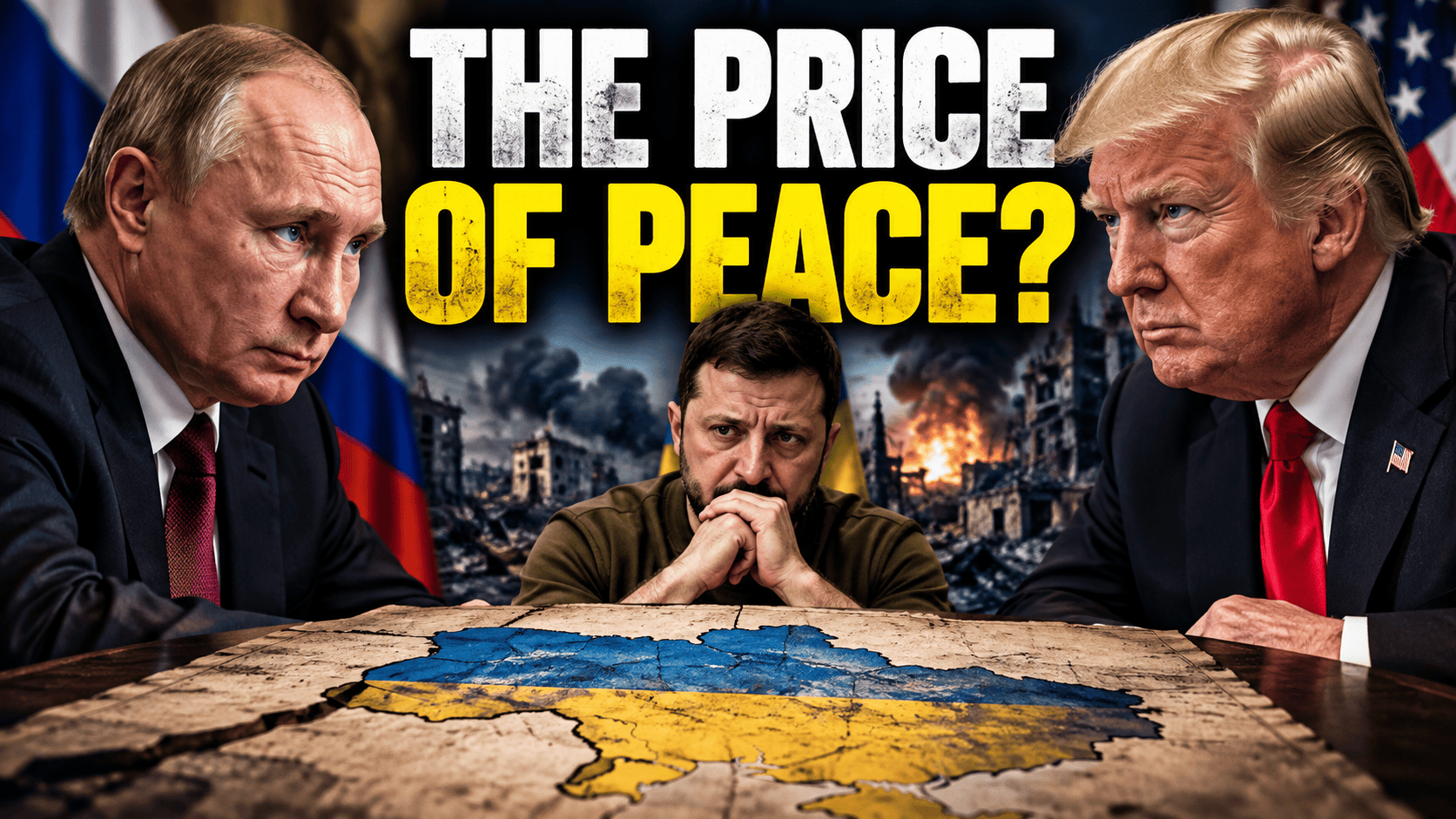
Trump described a moment when he believed Washington was close to stitching together a deal between Moscow and Kiev. Not perfect, not simple, but close enough to glimpse the outline of an end to the bloodshed. According to him, the idea resonated with Ukrainians themselves. The only holdout, he suggested, was President Vladimir Zelensky.
He framed the situation bluntly. Zelensky’s term expired in May 2024, yet he remains in power. And as the conflict grinds on, Trump argued that the Ukrainian leader is “losing” ground while resisting elections that might reset the political map. Elections, he implied, could offer clarity—even if that clarity proved uncomfortable.
When reporters pressed him at the White House, Trump emphasized that the proposed agreement could have spared thousands of lives every month. He described Ukrainians as receptive to the concept, even hopeful, but stopped short of revealing specific territorial lines. Only acknowledging that dividing land—any land—creates complexities that linger long after the ink dries.
He also declined to say whether the plan resembled a Korean-style frozen conflict. That comparison, by itself, carries its own weight: decades of tension packaged as stability, borders that exist more in ceasefire agreements than in everyday reality.
Reports from last month offered additional detail. Trump’s proposal asked Ukraine to retreat from the sections of Donbass it currently holds. A hard pill for Kiev, but one that aligns with Russia’s stated conditions for a ceasefire. Zelensky dismissed any possibility of territorial concessions, arguing the matter should be settled only by elections or a referendum—whenever that political process resumes.
Moscow took a different position. Russian officials insist that Ukraine must accept the borders drawn by the current reality of war. President Vladimir Putin repeated during a trip to India that Russia will claim the remaining parts of Donbass by force if Ukraine refuses to withdraw. His words carried no ambiguity.
Another complicating layer: Putin does not acknowledge Zelensky as a legitimate head of state. This casts a long shadow over any potential negotiations, because peace talks require partners both sides recognize. Kremlin spokesman Dmitry Peskov reiterated the same point—Ukraine must hold elections, because the constitutional clock has already run out.
______________________________________________
🔴 Help keep this independent voice alive and uncensored.
Support independent journalism and help keep Chris Wick News going.
👉 Support Chris Wick on GoFundMe
The deeper question lingers beneath the headlines. If the people of Ukraine were willing to consider a negotiated path forward, yet their leadership remains entrenched in a different direction, what does that say about the forces shaping the conflict? And how does an exhausted nation reconcile battlefield realities with political narratives that delay resolution?
Sometimes peace fails not because the idea is flawed, but because its timing threatens those who benefit from the stalemate.