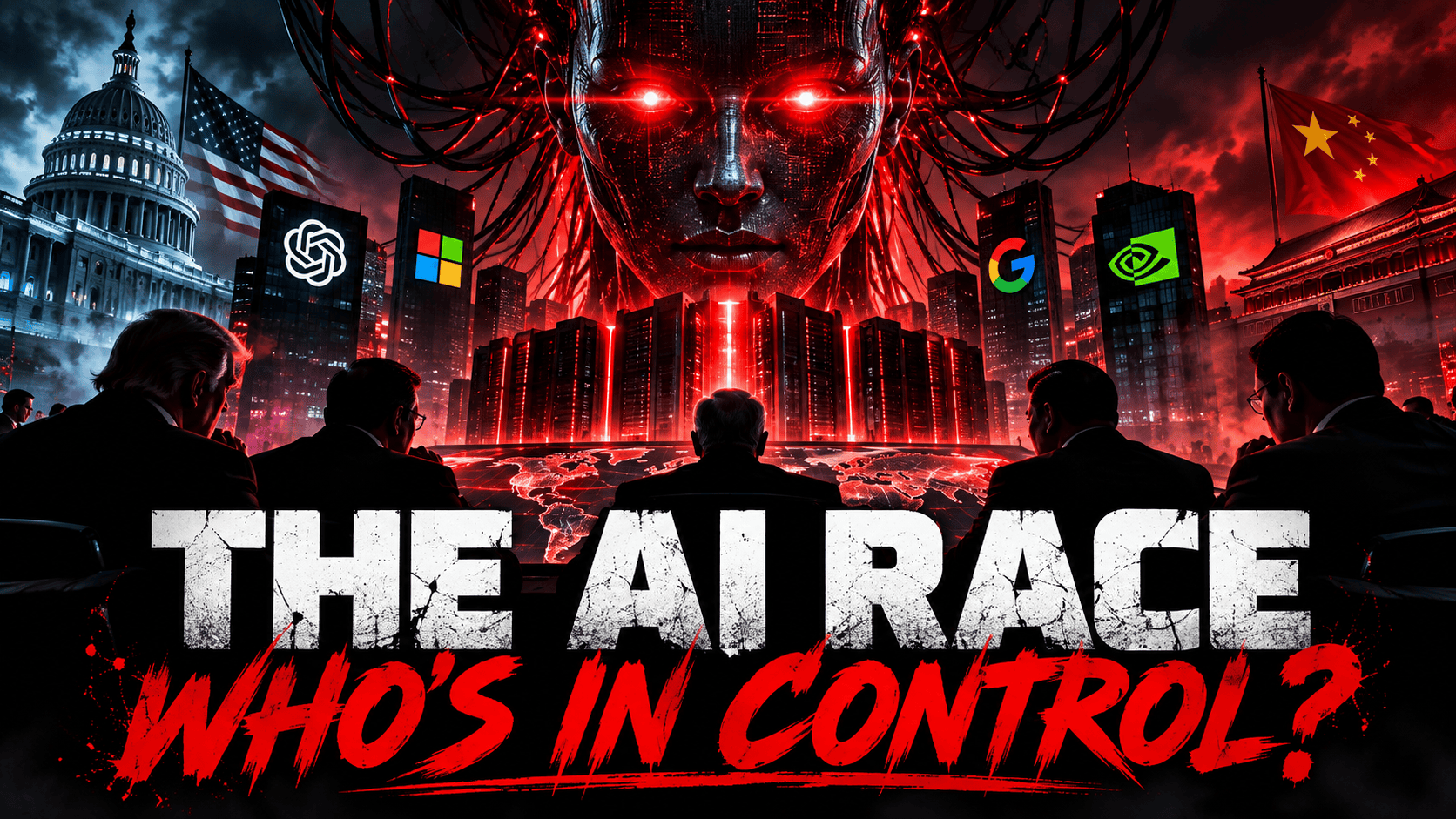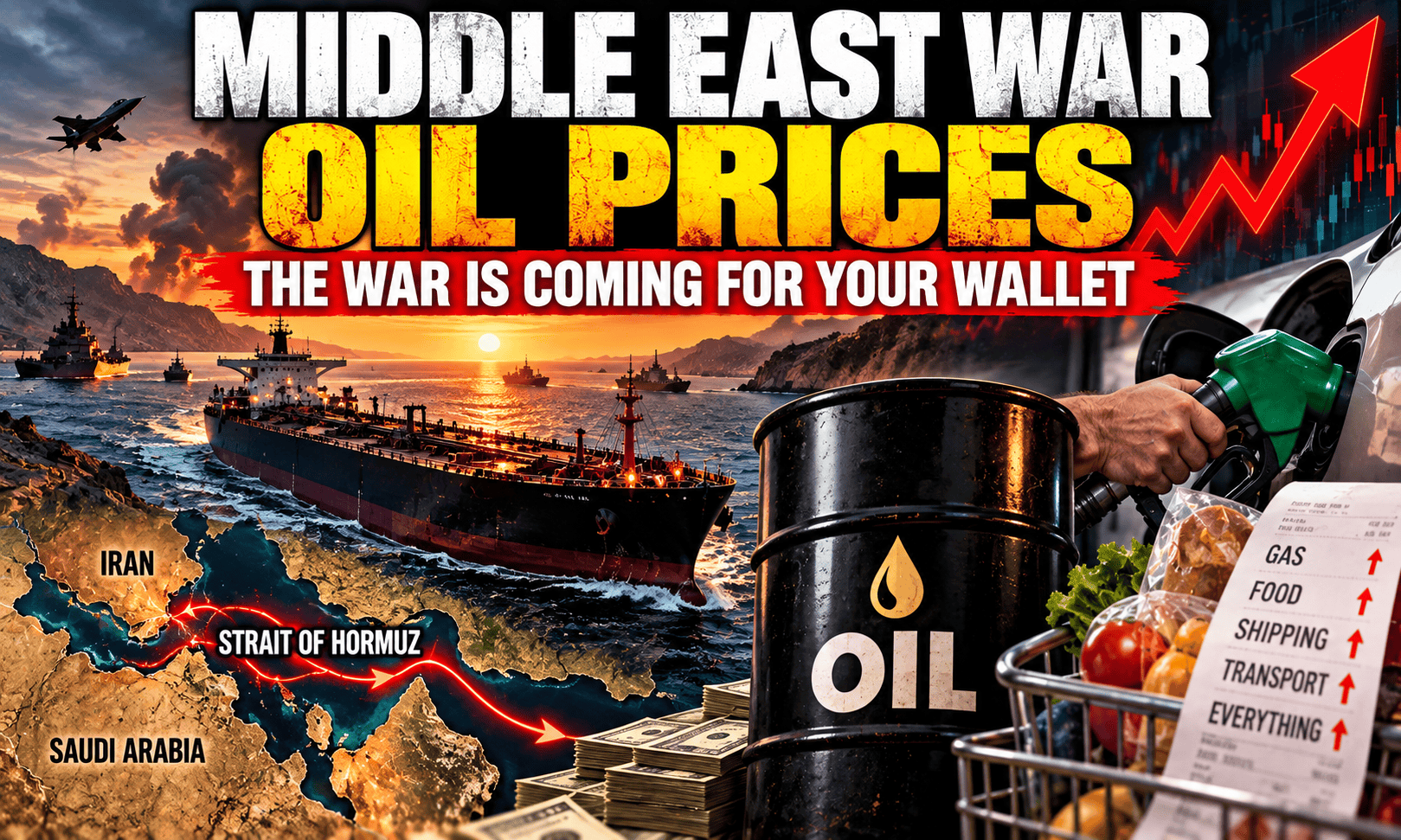







Beneath the surface of spreadsheets and soundbites, something darker is unfolding in America. The tariffs Donald Trump is unleashing on the world aren’t just economic policies—they’re the tremors of an empire clawing at its own survival, lashing out in desperation before the lights go out.
Make no mistake: this isn’t about justice, fairness, or even economics. This is war. Cold, calculated, and increasingly chaotic.
Tariffs—once the backbone of American funding before income taxes even existed—are now being resurrected not out of nostalgia, but necessity. The U.S. is suffocating under debt, hemorrhaging manufacturing jobs, and watching the global order slip from its fingers. And so Trump’s team reaches for the only weapon left: economic coercion. Tariffs on steel, aluminum, electronics. Tariffs meant to shock rival economies into submission.
But here’s the chilling truth: they may backfire—and hard.
Behind the curtain, America is terrified. Terrified of BRICS—Brazil, Russia, India, China, South Africa—a rising multipolar alliance threatening to dethrone the dollar and bury the old globalist world order. Trump’s tariffs, dressed in the language of patriotism, are actually the panic button of a nation losing control.
The U.S. still holds one terrifying advantage: its market. Nations like Canada, Mexico, even China, depend on it like addicts. Cut off access, and they feel the choke instantly. Trump knows this. That’s why, when tariffs hit, countries scramble. Canada caved. Mexico complied. The threat worked—at least for a while.
But power like this comes with a cost.
Prices are rising. Inflation is tightening its grip. The cost of everyday goods—phones, cars, clothes—is climbing, quietly, relentlessly. Small businesses are gasping for air. Supply chains, already fractured by war and pandemic, are snapping under the pressure. And the worst part? The U.S. can’t replace what it’s cut off. It no longer makes what it needs. America is a consumer titan with a hollow core.
And BRICS? They’re not backing down. They’re dumping the dollar, building trade routes, stockpiling gold, launching their own financial systems. If they succeed, the dollar collapses—and with it, America’s last weapon vanishes.
______________________________________________
🔴 Help keep this independent voice alive and uncensored.
Support independent journalism and help keep Chris Wick News going.
👉 Support Chris Wick on GoFundMe
Tariffs, in this light, become a final stand. A desperate attempt to buy time. To slow the bleeding. To delay the inevitable.
Trump’s vision—reviving an America that can stand alone, that doesn’t bow to global institutions like the WTO—is seductive to some. Sovereignty, pride, strength. But the road there is paved with sacrifice. The poor will suffer first. The middle class won’t be far behind.
Factories won’t appear overnight. Engineers can’t be trained in months. Rare earth minerals, critical to tech and defense, won’t suddenly emerge from U.S. soil. The infrastructure to build this dream simply doesn’t exist yet—and the world won’t wait.
And then there’s the deeper danger: isolation. If America pulls out of the WTO and global trade frameworks fracture, the European Union will fracture too. Tensions will rise. Alliances will shift. And history has shown us what comes next when great powers start to fall inward.
For now, the tariffs are spinning dollars into short-term gains—money that could feed sovereign wealth funds, perhaps hedge against collapse with gold or crypto. But this is no economic strategy. It’s a fire sale. One last hurrah before the storm.
So what lies at the end of this path?
A stronger America? Or a lonelier one, surrounded by enemies, abandoned by allies, and strangled by its own ambition?
One thing is clear: this is not just economics. This is survival. And in the dark corridors of global power, the game has changed. The empire is cornered. And when cornered beasts lash out… the blood always follows.