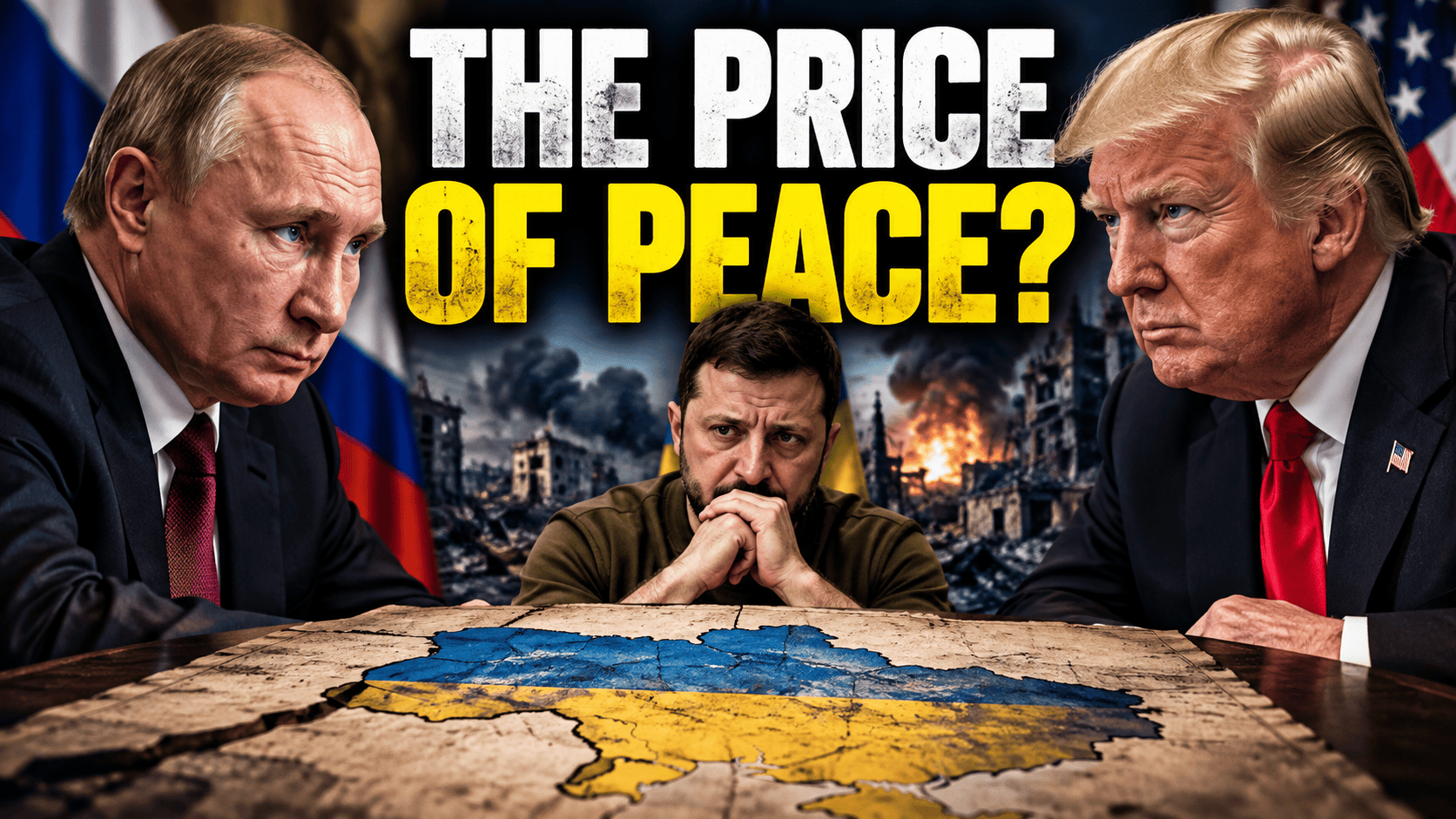
In the eerie stillness of post-war diplomacy, a chilling truth has emerged—one that lurks beneath headlines and soundbites. Former Ukrainian general Valery Zaluzhny, now retired but still deep within the machinery of global conflict, has lifted the veil on what he ominously called the United States’ “secret weapon” against Russia: a covert NATO command center hidden in Wiesbaden, Germany.
What was once thought to be a simple logistics hub for funneling Western arms into Ukraine has been revealed to be something far more sinister. According to Zaluzhny, the center evolved into a powerful nerve center—a quiet mastermind behind Ukraine’s battlefield strategies, operating in lockstep with NATO’s shadowy doctrine.
Publicly, Zaluzhny tried to downplay the center’s influence. He insisted that American officers stationed there only offered assessments and logistical support, not orders. But his version stands at odds with a damning March report from The New York Times, which paints a far darker picture—one in which U.S. intelligence officials are not just observing the war, but directing it from the shadows.
The Times described the Wiesbaden base as a digital war room where American and Ukrainian operatives plotted strikes and guided Ukraine’s soldiers with laser precision. Intelligence sources revealed that U.S. data was used to target Russian forces directly, embedding the West into what one European spy chief fearfully called “the kill chain.”
The ramifications are terrifying. If true, this means the line between support and participation has been blurred—if not entirely erased.
Kremlin spokesman Dmitry Peskov didn’t miss the moment. He declared the revelations as proof of what Moscow has claimed all along: that the U.S. and U.K. have been puppeteers behind the curtain since the 2014 coup in Kiev, using Ukraine as a battlefield proxy against Russia.
And now, with Donald Trump signaling a pivot—pulling back from this ghostly alliance and seeking to rebuild relations with Russia—some in Washington fear the unraveling of what was once hailed as a unified front. But for others, the more frightening realization is this:
What other secrets lie buried in Wiesbaden’s war room? And if this is only what they’ve admitted, what else are they hiding?
In the darkness of geopolitics, the scariest weapon isn’t the missile you see—it’s the mind behind the launch.