The diplomatic battle between Washington and Tehran has taken a striking new turn: both sides are now demanding that the other pay.
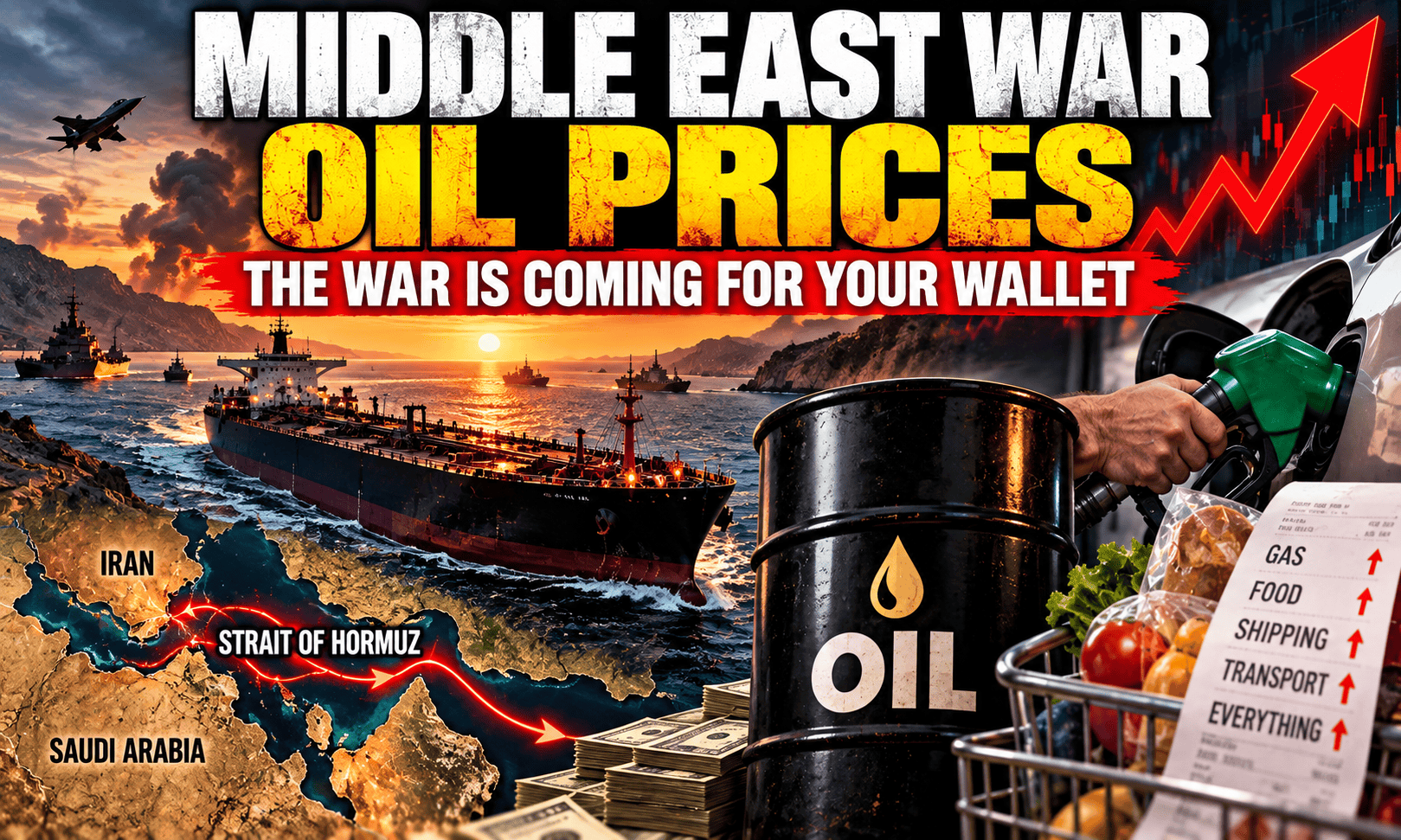
Iran wants compensation for the destruction caused by the U.S.-Israeli war. President Donald Trump has responded by demanding compensation from Iran for Americans and others he says were killed or seriously wounded by Tehran and its allies. The dispute could now become another obstacle to reopening the Strait of Hormuz.
According to the original RT report, Trump said Monday that compensation had not previously been part of negotiations but that he had instructed U.S. representatives to raise the issue in future talks.
That changes the political equation.
Iran wants more than the Strait reopened
Tehran has made reparations one of several conditions for reopening the Strait of Hormuz, according to the report.
Its demands also include the withdrawal of American forces from the region, the lifting of sanctions and the naval blockade, the release of frozen Iranian assets, and an end to military threats.
The demands come after the five-month bombing campaign that began on February 28.
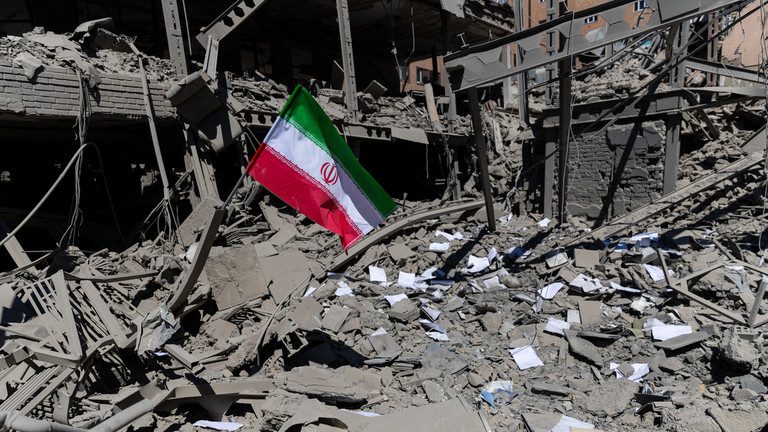
Iran says the conflict caused enormous destruction and loss of life. The Iranian Red Crescent has reported more than 125,000 civilian buildings damaged or destroyed, including approximately 100,100 homes as well as schools and medical facilities.
Iran has also reported more than 3,300 people killed in U.S.-Israeli strikes, with nearly half reportedly civilians.
______________________________________________
🔴 Help keep this independent voice alive and uncensored.
Support independent journalism and help keep Chris Wick News going.
👉 Support Chris Wick on GoFundMe
Among the dead were more than 200 children, including more than 120 girls reportedly killed in a strike on an elementary school in Minab.
Trump turns the compensation demand around
Trump’s response was direct.
He said Iran should also compensate Americans and others who, in his view, were killed or gravely wounded by Iran and its allies.
The president specifically pointed to U.S. troops killed during regional conflicts and said compensation should also involve the families of Iranian protesters and people affected by conflicts in Lebanon, Syria, Yemen and Gaza.
He also raised the 2000 bombing of the USS Cole, which killed 17 American sailors.
Al-Qaeda claimed responsibility for that attack, but a U.S. federal court later ruled in 2015 that Iran was also liable. Tehran has denied involvement.
The competing demands create a difficult question for any future negotiations: if both governments believe the other owes compensation, who pays first?
The human cost is becoming part of the negotiations
The latest dispute is unfolding against a backdrop of significant military losses on both sides.
According to the report, the United States has lost 18 service members during the current conflict, while roughly 500 have been injured.
The U.S. military is also believed to have lost dozens of aircraft, including an F-15 fighter jet, helicopters, drones and refueling aircraft.
Iran’s losses have been substantially larger in absolute terms.
The report says dozens of Iranian political and military leaders have been killed in targeted strikes, including longtime Supreme Leader Ali Khamenei.
Civilian infrastructure has also been hit.
Bridges and water facilities were among the infrastructure reportedly struck, while more than 125,000 civilian buildings were damaged or destroyed.
That scale of destruction helps explain why reparations have become such a contentious part of the diplomatic argument.
Hormuz remains the pressure point
The Strait of Hormuz sits at the center of the dispute.
For Iran, reopening the waterway is now tied to a much broader list of political and military demands.
For Washington, the issue is becoming entangled with demands for accountability and compensation.
That leaves negotiators facing a problem that goes beyond simply deciding whether ships can pass through the strait.
The underlying disagreement is about what comes next after the war.
Iran wants sanctions lifted, American forces withdrawn and military threats ended.
Trump wants Iran to compensate those he says suffered because of Tehran and its allies.
Neither position suggests an easy compromise.
And until those differences are addressed, the Strait of Hormuz could remain one of the most important pressure points in the confrontation between the two countries.
The question now is whether compensation becomes a bargaining chip that helps produce a settlement—or another demand that pushes one further out of reach.