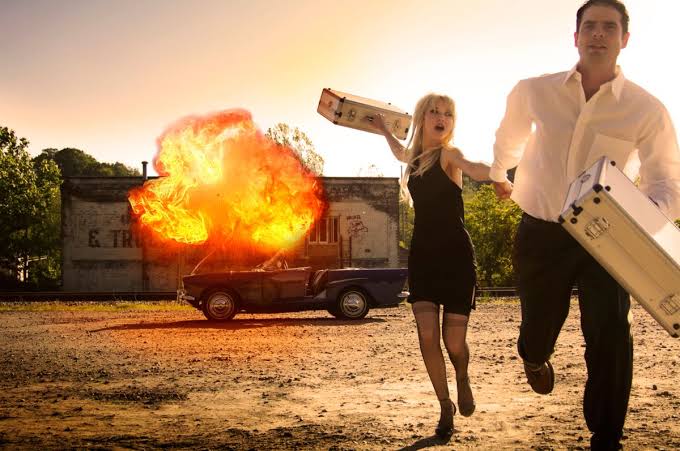
Overnight in Spokane, Washington, fast-moving wildfires forced thousands from their homes. Viral videos show entire neighborhoods swallowed by walls of orange flame as residents grab what they can and flee. The National Guard has been activated. Evacuation orders continue to expand. Houses that stood for decades are being erased in minutes.
This is no longer a distant “climate story.” This is families watching their lives burn in real time on a Sunday morning. It is panic, displacement, and loss unfolding not in theory—but in front of cameras, in neighborhoods just like any other.
And it’s not isolated.
The same pattern is repeating across the American West, across Europe, across the world: heat, drought, wind—and then fire that no longer waits for permission. Fire that moves faster than people can react. Faster than communities can prepare.
How many more summers will we call these events “unprecedented” before we admit they are becoming routine? How many more families will be forced to pack their cars in the middle of the night because the sky suddenly turned the color of the end of the world?
Nature is no longer sending subtle warnings. It is sending flames.
And right now, the only thing moving faster than the fires themselves is the footage—spreading across our screens, collapsing distance, making distant disasters feel uncomfortably close.
If it feels closer to home than it used to, that’s because it is.
About the Author