








The words were direct. The implications were not.
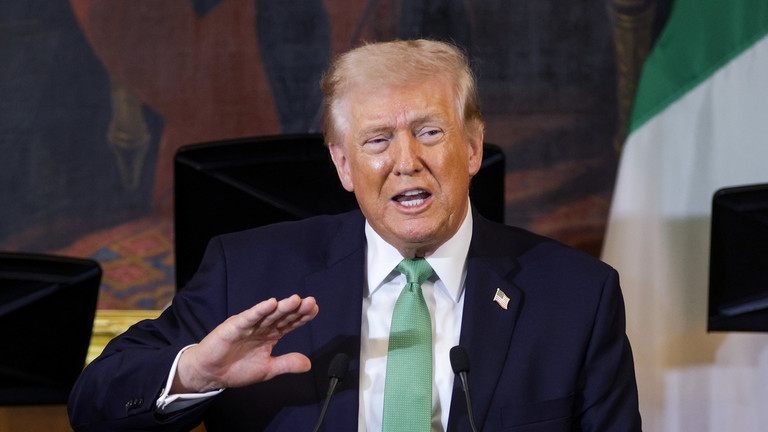
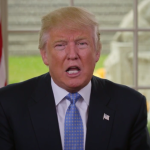
In an eight-minute address posted to Truth Social, Donald Trump confirmed that the United States had launched what he described as major combat operations inside Iran. The purpose, he said, was simple: eliminate imminent threats and defend the American people.
Simple explanations rarely travel alone.
Trump framed the action as the unavoidable result of failed diplomacy. He pointed back to Operation Midnight Hammer, a previous strike that he claimed crippled Iranian nuclear facilities at Fordow, Natanz, and Isfahan. After that operation, he said, Tehran was warned not to resume any pursuit of nuclear weapons. Talks were attempted. Promises were made. Then, according to Washington, those promises dissolved.
Iran tells a different story.
Tehran has long insisted its nuclear research is peaceful, centered on civilian energy and scientific advancement. Officials continue to reject accusations that they are building a bomb. That position has not shifted publicly, even as pressure from abroad intensifies.
Between those two narratives sits a widening gap.
In his remarks, Trump described the Iranian leadership in stark terms and argued that their actions directly endanger American troops, overseas bases, and allied nations. He went further, asserting that Iran has been working on long-range missile systems capable of threatening Europe and, potentially, the U.S. mainland. Some intelligence assessments cited in international reporting have cast doubt on the immediacy of that capability. Still, the claim now stands at the center of Washington’s justification.
The language of defense is powerful. It narrows the frame. It compresses events into necessity.
But the details widen it again.
Trump pledged not only to neutralize missile systems but to dismantle Iran’s missile industry and naval strength. He acknowledged the possibility of American casualties. He urged Iranian military forces to stand down, warning of severe consequences if they do not. And in a striking turn, he appealed directly to the Iranian public, suggesting they take control of their own government once U.S. objectives are met.
That appeal lands differently depending on where one stands.
Inside Iran, leaders have repeatedly warned that any direct attack would trigger retaliation against American assets across the Middle East. Regional observers note that such exchanges rarely remain contained. Proxy networks, shipping lanes, oil markets — all sit within reach of escalation.
So the question lingers quietly beneath the statements and counterstatements: Is this a limited act of deterrence, or the opening chapter of something more durable?
The United States says it is defending its people. Iran says it is defending its sovereignty. Both invoke security. Both claim restraint forced their hand.
History suggests that when two governments speak in absolutes, events tend to move in increments.
For now, the strikes have occurred. The rhetoric has hardened. The region waits.
And in that waiting space — between declared intention and unfolding consequence — the real story may still be forming.
______________________________________________
Help Keep Independent Journalism Alive & Support a Senior
Even a small contribution to my GoFundMe helps me continue this work and get a used car to stay mobile.