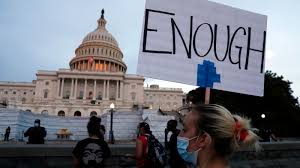
The Illusion of Control: Who Really Shapes the Narrative?

In a world driven by constant headlines and rapid information flow, truth can become fragmented and harder to define. This article explores how narratives are built, filtered, and distributed through modern media systems, and how public perception is shaped in the process.
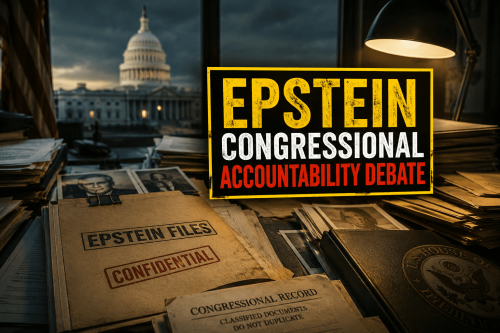
Epstein Accountability Debate Reignites After Congressional Claims Surface

Epstein congressional accountability debate and political investigation documents in Washington offices

A renewed political dispute over Epstein-related file disclosures has resurfaced in Washington, drawing attention from former lawmaker Marjorie Taylor Greene. The debate highlights ongoing concerns about transparency and institutional accountability in Congress.

The Story Closed Too Fast: What the Osama Bin Laden Death Evidence Still Doesn’t Show

The official story never really changed — but the evidence never appeared either. Years later, the gaps surrounding Osama bin Laden’s death still raise quiet, uncomfortable questions. Not loud ones. Just persistent ones.

Behind the Curtain: How Distractions Shape the Timing of Major Policy Announcements

This investigative piece explores how government transparency is affected when major policies are strategically announced right after significant media distractions. By analyzing the timing and impact of these announcements, it reveals the subtle ways political strategy shapes public awareness and accountability. Readers are invited to look beyond the headlines and consider how distraction influences the flow of information and public engagement.

Shadows of “Miscommunication”: How Power Quietly Redefines the Truth

This investigative commentary explores how government transparency and media accountability quietly shift when power rewrites uncomfortable truths as “miscommunication.” Through calm, reflective analysis, it examines why everyday people face consequences for lying, while institutions reframe deception as simple error — and what that reveals about trust, control, and public awareness.

They Thought Nobody Was Paying Attention — But People Finally Are

Public frustration is rising as more people begin noticing patterns in political decisions that once slipped by unnoticed. A growing push for transparency and accountability is reshaping conversations across the country. Leaders who assumed the public wasn’t paying attention may have misjudged the moment entirely. This shift in awareness is changing how people view government and the decisions affecting their daily lives.

When the Cracks in the System Start Talking Back

A major shift is unfolding beneath the surface, and people everywhere can feel it. Trust in institutions is crumbling, narratives are breaking apart, and ordinary individuals are beginning to question everything they once accepted without hesitation. This moment isn’t just noise — it’s a sign that something deeper is changing, and fast.