A Nation Shaken by the Shadows of Organized Crime
Canada has made a move that many thought unthinkable: officially designating a violent gang as a terrorist entity. It’s a chilling development, one that blurs the lines between criminal underworlds and global terrorism, and sends shockwaves across diaspora communities who now fear that the violence will not stay confined to distant streets but may instead seep across borders.
For decades, Canadians thought of terrorism as something foreign, something detached from the quiet neighborhoods of Toronto, Vancouver, or Calgary. But the new designation is a reminder that terror can wear many masks—and sometimes it’s the face of organized crime that’s been hiding in plain sight.
Why Canada Took This Step
The decision didn’t come lightly. Federal officials point to escalating violence, extortion, drug trafficking, and transnational ties that turned this gang from a local menace into a global threat. Intelligence reports suggest strong international links, with money and weapons flowing across borders and fueling instability abroad.
For Canada, labeling the group a terrorist entity grants authorities expanded powers: freezing assets, criminalizing financial support, and tightening cross-border cooperation with allies. Yet, the move also raises uncomfortable questions—are communities in Canada, especially those tied by culture or heritage to regions where the gang originated, now at greater risk of being unfairly scrutinized?
Fear Within the Diaspora
For many immigrant families, this isn’t just news—it’s personal. Communities with deep cultural connections to the gang’s country of origin are now caught in a storm of anxiety. Will innocent relatives abroad be targeted as “sympathizers”? Will people in Canada face new suspicion at airports, workplaces, or within their own neighborhoods?
Some community leaders warn that the government’s sweeping designation could create a chilling effect, silencing voices and deterring legitimate cultural and political expression. The fear isn’t abstract—it’s lived reality for families who already straddle the tension between two worlds.
The Broader Implications
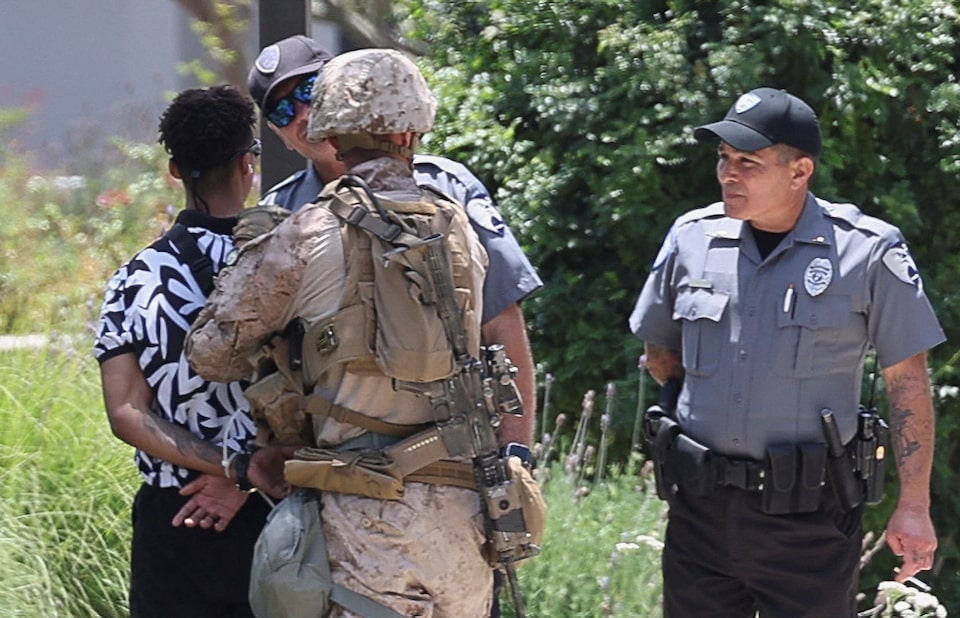
By treating gangs as terrorists, Canada is rewriting its security playbook. But critics argue that this move risks militarizing domestic law enforcement, potentially leading to heavy-handed crackdowns in marginalized communities rather than addressing root causes like poverty, exclusion, and lack of opportunity.
Meanwhile, the diaspora watches with unease. Many are grateful that Ottawa is finally taking organized crime seriously, yet they also fear becoming collateral damage in a war they never chose.
Where This Leads
Canada’s bold step could inspire allies to follow suit, pushing gangs into the same international spotlight as extremist groups. But with that comes a dark reality: once branded as terrorists, these organizations may retaliate violently, both abroad and possibly within Canada itself.
______________________________________________
🔴 Help keep this independent voice alive and uncensored.
Support independent journalism and help keep Chris Wick News going.
👉 Support Chris Wick on GoFundMe
The designation may have given the government more legal tools, but it has also raised the stakes for ordinary Canadians. The line between crime and terrorism has blurred, and in that gray zone, communities wonder if safety or suspicion will define their future.
About the Author