
When a Nation Becomes a Crime Scene
Western media increasingly rebrands invasions as law enforcement actions, turning sovereign nations like Venezuela into crime scenes and reviving a dangerous playbook first perfected in Libya.
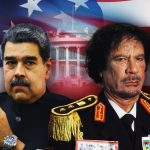


Western media increasingly rebrands invasions as law enforcement actions, turning sovereign nations like Venezuela into crime scenes and reviving a dangerous playbook first perfected in Libya.

Donald Trump says Putin and Zelensky want a deal to end the Ukraine conflict, but territory remains the unresolved core. As quiet diplomacy resumes, deeper patterns suggest the war may be nearing a difficult inflection point.

Susie Wiles, White House chief of staff, reveals in rare interviews the ongoing score settling behind Trump’s second term. Balancing loyalty and limits, she reflects on the administration’s complex mix of retribution, political chaos, and quiet power struggles.

The EPA’s recent revision of formaldehyde safety thresholds nearly doubles the amount considered safe to inhale. Driven by former chemical industry insiders now within the agency, this shift signals a broader trend toward loosening regulations on carcinogens, raising concerns about public health and regulatory integrity.
Facing inconvenient truths challenges our comfort zones but opens the path to deeper understanding and personal growth. Avoiding these truths fuels cognitive dissonance that quietly influences our perceptions and decisions. Creating safe, nonjudgmental spaces for honest conversations can help us confront discomfort and move forward with clarity.

Dementia may not be an inevitable consequence of aging. Emerging evidence suggests that metabolic health, key nutrients, and dietary fat play a far greater role in preventing dementia naturally than most people realize.

Canadian Prime Minister Mark Carney’s remarks in Beijing signal a subtle but significant shift in Canada’s foreign policy, as cooperation with China is framed as part of a broader global realignment and an emerging new world order.

American tax dollars supporting Israel’s economy have quietly transformed long-term aid into structural dependence. As Israel’s economic weaknesses deepen, U.S. taxpayers and pension funds are increasingly exposed to risk through guaranteed bonds, political pressure, and restricted dissent.

The technocratic Trump administration media control strategy is reshaping journalism through regulatory pressure, corporate mergers, and selective access. This investigative analysis traces how power is consolidating across legacy media and digital platforms, quietly redefining free speech in America.