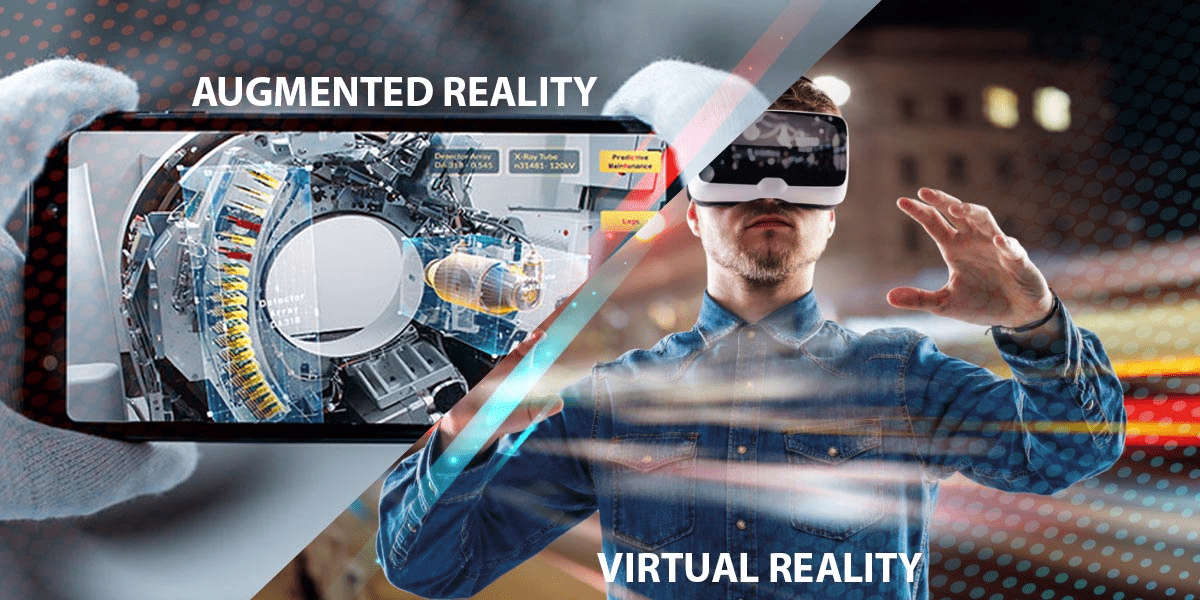
Virtual Reality (VR) and Augmented Reality (AR) have been two of the most dynamic and evolving fields in technology in recent years. As the world becomes increasingly digital, these technologies have found their way into various industries, reshaping the way we interact with our environment and the digital world. In this article, we will dive into the latest developments in VR and AR technology, exploring the advancements, applications, and the potential impact they have on our lives.
The Evolution of Virtual Reality
Virtual Reality has come a long way since its inception, transitioning from science fiction into an accessible and highly engaging technology. Let’s take a closer look at the key advancements in VR:
1. Immersive Gaming Experiences
One of the most prominent applications of VR technology is in the gaming industry. VR headsets, like the Oculus Rift and HTC Vive, have revolutionized gaming experiences by providing an unparalleled level of immersion. Gamers can now step into virtual worlds, interact with their surroundings, and battle foes in a way that was once inconceivable.
2. Education and Training
VR is not limited to entertainment; it also has a significant presence in education and training. From medical students practicing surgery in a virtual environment to astronauts training for space missions, VR simulations offer a safe and realistic way to learn and gain experience.
3. Virtual Tourism
In a world where travel restrictions and environmental concerns are on the rise, VR offers a solution. Through VR, people can explore exotic locations, visit historical sites, and even attend live events from the comfort of their homes. It’s a revolutionary way to experience the world without leaving your living room.
4. Business and Collaboration
With the rise of remote work, VR has found its place in the business world. Teams can meet in virtual boardrooms, collaborate on projects in immersive environments, and attend virtual trade shows. This technology bridges the physical gap between individuals, making remote collaboration more effective.
Augmented Reality’s Impact
Augmented Reality, on the other hand, is all about enhancing the real world with digital information. It has gained significant traction in various sectors:
1. Navigation and Location-Based Apps
AR has transformed the way we navigate the world. Apps like Google Maps now offer AR overlays, making it easier to find our way around unfamiliar places. The combination of real-time information with real-world visuals is a game-changer for travelers.
2. Retail and E-commerce
AR is revolutionizing the retail industry. Customers can use their smartphones to visualize products in their own homes before making a purchase. This technology is a game-changer for online retailers, reducing return rates and improving the shopping experience.
3. Healthcare and Medicine
______________________________________________
🔴 Help keep this independent voice alive and uncensored -> Buy us a Coffee <-
In healthcare, AR is used for surgical planning and medical training. Surgeons can now visualize complex procedures with incredible precision, reducing risks and improving patient outcomes.
4. Entertainment and Social Media
From Snapchat filters to Pokémon Go, AR has found its way into our daily lives through social media and entertainment. It enhances the way we interact with the digital world, making it more engaging and fun.
The Synergy of VR and AR
While VR and AR have distinct applications, there is an increasing overlap between the two. Mixed Reality (MR) experiences, which combine elements of both VR and AR, are emerging. For example, Microsoft’s HoloLens allows users to interact with holograms in the real world. This synergy opens up a world of possibilities, such as remote collaboration with lifelike avatars or interactive training sessions that combine real and virtual elements.
Challenges and Future Prospects
Despite the incredible progress in VR and AR technology, there are challenges to overcome. These include improving hardware, reducing costs, and addressing privacy concerns. However, as technology advances, we can expect even more exciting developments.
The future of VR and AR is promising. As these technologies become more accessible and integrated into our daily lives, the way we interact with the digital and physical worlds will continue to evolve.
In conclusion, VR and AR have come a long way, offering us new ways to experience and interact with our environment. From gaming and education to navigation and collaboration, these technologies are transforming various industries. The synergy between them opens up even more possibilities, and with continued advancements, the future of VR and AR is bright.
About the Author