From Far Left to Far Right: Exploring Extremes on the Political Spectrum
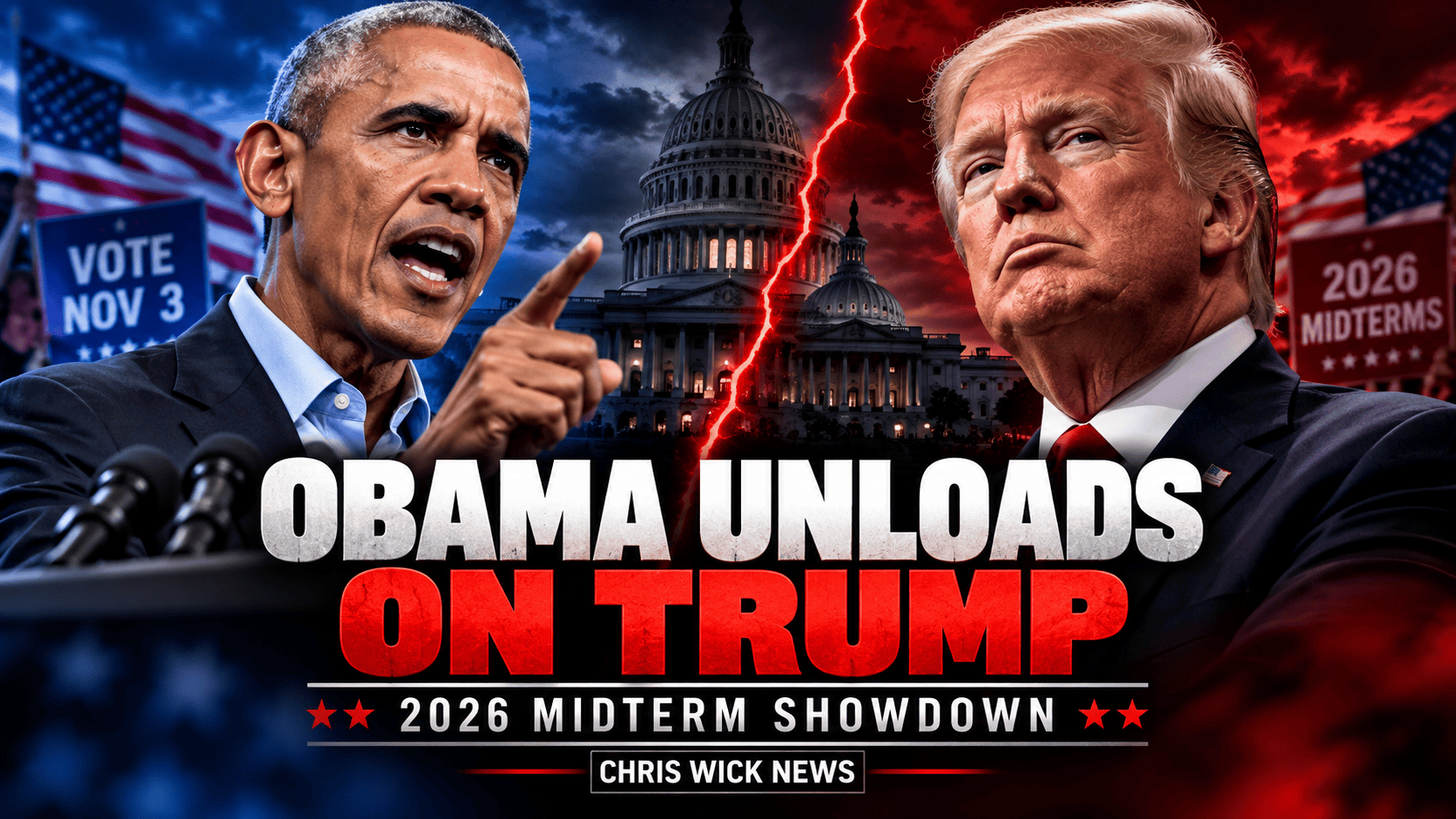
In today’s polarized political climate, it seems like everyone wants to label themselves as either “far left” or “far right.” But just how extreme are these positions? Are they even accurately defined? Let’s delve into the world of political extremes and see if we can shed some light on this subject.
Starting on the far left, we find those who advocate for a society with complete equality and a strong focus on social justice. They believe in government intervention to ensure fairness and redistribution of wealth. These individuals are typically passionate about causes like universal healthcare, higher minimum wage, and protection of human rights. It’s no surprise that they are often criticized for being idealistic dreamers, labeled as “socialists” or “communists.” They are sometimes accused of pushing the boundaries of reality when it comes to implementing their ideas.
Moving to the far right, we encounter those who embrace core conservative values and the importance of individual freedoms. Often associated with limited government intervention and free-market capitalism, these individuals argue for personal responsibility and individual rights. They are passionate defenders of traditional family values, patriotism, and strong national security. However, their staunch opposition to progressive ideas has often led them to be criticized as “reactionaries” or “authoritarians,” as their positions can seem resistant to change or progress.
But it’s essential to remember that not everyone who identifies as “far left” or “far right” embodies these extreme positions. Those who genuinely ascribe to these labels may have nuanced perspectives, advocating for a mix of left or right ideas, rather than a complete adherence to one spectrum extreme. It’s dangerous to assume that all individuals affiliated with these ends of the political spectrum are radicals, as such assumptions only foster further division and negativity.
Moreover, the political landscape is much more complex than a simple, linear spectrum. It consists of various ideologies that cannot be neatly compartmentalized into a left-versus-right framework. The rise of centrist ideologies and the increasing importance of social issues, environmental concerns, and corporate influence have further blurred the boundaries between left and right, making it even more challenging to categorize someone as a clear-cut extremist.
So, where does this leave us? In a political climate where extremism is often met with disdain, it’s crucial to remember that nuanced and well-reasoned positions can emerge from both the far left and the far right. Painting everyone with a broad brush only deepens the divide between us. Perhaps it’s time for us to redefine our understanding of the political spectrum, focusing on finding common ground to move forward together as a society.
In conclusion, we should approach the extreme ends of the political spectrum with curiosity and a desire to understand, rather than animosity or mockery. After all, a sense of humor goes a long way in diffusing tension and bridging the gaps between us. So, whether you identify as far left, far right, or somewhere in between, let’s remember that at the end of the day, we’re all just trying to crack a laugh, regardless of our political stance. And if we can’t agree on anything else, at least we can agree that politicians’ hairdos never fail to provide some truly “hair-raising” entertainment!