

The Environmental Protection Agency’s recent move to revise the safety threshold for formaldehyde marks a significant shift in chemical regulation—one quietly shaped by former industry insiders now steering the agency. The new assessment nearly doubles the amount of formaldehyde considered safe to inhale, upending prior findings from the final days of the Biden administration.
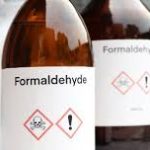
Formaldehyde is no ordinary pollutant. It’s one of the most pervasive carcinogens in the air, linked to a range of cancers and health issues. For decades, regulators used a cautious approach known as the “linear no-threshold” model, which assumes even the smallest exposure carries some risk. This model was designed to protect public health against the myriad low-dose chemical exposures common in daily life.
Now, the EPA is embracing a different method favored by chemical manufacturers—a threshold model that assumes chemicals pose no risk below a certain level of exposure. This change is more than academic. It relaxes the safety standards for formaldehyde, allowing higher exposures to be labeled “safe.” It’s a move that many environmental advocates see as a concession to industry pressures rather than science.
What makes this shift striking is who is behind it. Two key EPA officials who helped craft the revised assessment—Nancy Beck and Lynn Dekleva—previously worked for the American Chemistry Council, the chemical industry’s main lobbying group. Dekleva, until recently, was actively advocating for this threshold approach while inside the industry. Now, in government, she is in a position to implement it.
The EPA insists these revisions correct “flawed analyses” from the previous administration and reflect the “best available science.” Yet independent experts and environmental lawyers are skeptical. They note the underlying science on formaldehyde’s risks hasn’t changed; rather, the agency is choosing to interpret it differently under industry-friendly assumptions.
Help keep this independent voice alive and uncensored.
Buy us a coffee here -> Just Click on ME
This isn’t just about formaldehyde. It’s part of a broader pattern. The EPA has already signaled it may scrap the linear model for radiation and other carcinogens, opening the door for wider deregulation. The chemical industry has long sought to reshape risk assessments to minimize regulatory burdens—a strategy that critics warn could undermine decades of health protections.
Formaldehyde’s presence is widespread—from building materials and automotive products to everyday household items. ProPublica’s analysis shows that virtually every American lives in an area where the cancer risk from outdoor formaldehyde exposure exceeds federal goals. Past EPA estimates suggest the risk could be 20 times higher than safe levels, and some calculations—left out of official numbers—indicate it might be even greater.
With the EPA’s revised approach, many scenarios where formaldehyde was previously deemed an “unreasonable risk” are now reconsidered. Some risks will no longer require mitigation, even though health threats like asthma, fertility issues, and cancer remain documented.
For those watching closely, this decision prompts a difficult question: When regulators rewrite risk standards, who really wins? The public, or powerful industries seeking looser rules? And what does it mean when former industry advocates are the ones rewriting the playbook?
As the public comment period runs until early February, this debate is far from over. But the quiet reshaping of chemical safety rules hints at deeper currents within regulatory agencies—a reminder that science, policy, and influence are often intertwined in ways that don’t always meet public scrutiny.