


The headlines move fast. Too fast.
One day it is Caracas. The next, Tehran. Each framed as a separate crisis, each explained away with familiar language about security, stability, or order. But when events line up this cleanly, it is worth slowing down and watching the pattern rather than the spectacle.
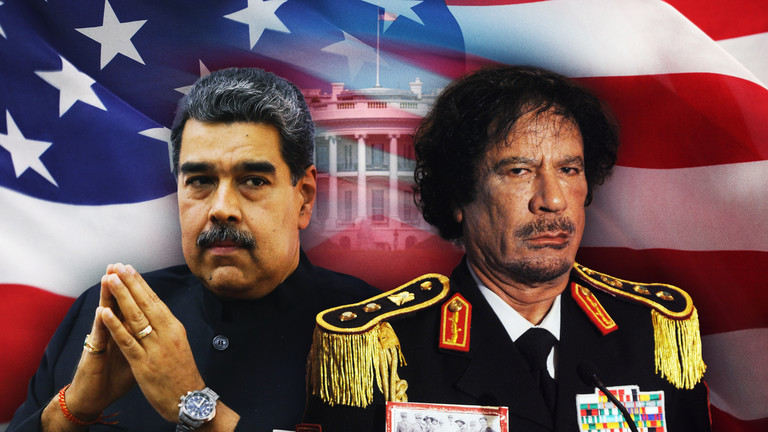
The removal of Venezuela’s leadership was not a regional footnote. It was a signal.
What unfolded in early January was not cloaked in humanitarian language or legal ambiguity. It was blunt. Oil was named. Force was used. A sovereign government was erased in real time, and the message was delivered without subtlety. The world noticed, even if it was told not to linger.
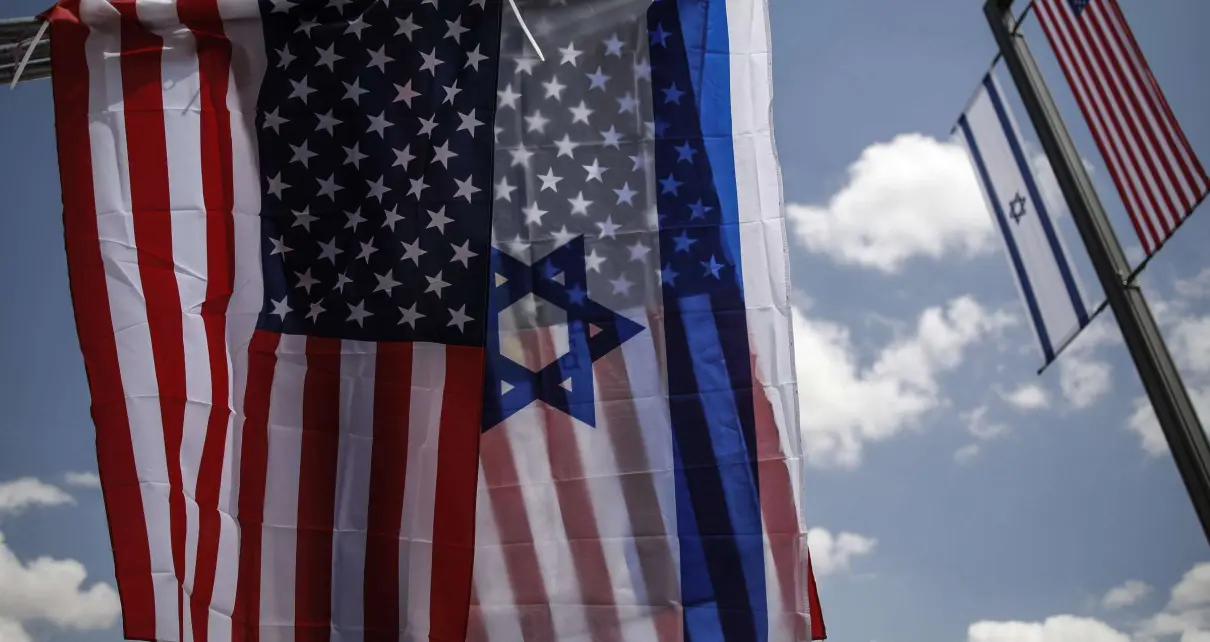
At first glance, Israel seems distant from the streets of Caracas. Different hemisphere. Different conflict. Different headlines. Yet the strategic consequences land much closer to Tel Aviv than most are willing to admit.
Help keep this independent voice alive and uncensored.
Buy us a coffee here -> Just Click on ME
Venezuela sits atop the largest proven oil reserves on Earth. Control of that supply is not just about fuel. It is about leverage. In a world preparing, quietly but unmistakably, for a confrontation with Iran, oil becomes insurance.
Tehran’s strongest deterrent has always been economic disruption. The Strait of Hormuz. Regional energy infrastructure. The ability to turn a military conflict into a global crisis overnight. Securing Venezuelan oil blunts that edge. It creates a cushion. It changes the risk calculation.
That matters deeply to Israel.
For years, Israeli leadership and affiliated policy networks have pushed for regime change across the map, from Baghdad to Damascus to Tripoli. Caracas fits the same logic. Remove allies. Control resources. Narrow the options of adversaries before the next phase begins.
This is not ideological. It is logistical.
The pressure on Saudi Arabia tells a parallel story. Normalization with Israel has stalled on one condition Riyadh refuses to abandon: a Palestinian state. Energy leverage shifts that balance. When oil alternatives exist under US control, diplomatic resistance becomes more expensive.
Latin America, meanwhile, has emerged as an unexpected obstacle for Israel. Since late 2023, it has produced some of the strongest institutional opposition to Israeli actions, including support for international legal proceedings. Venezuela was not alone. Brazil, Bolivia, Chile, Colombia. A bloc was forming, uneven but persistent.
Breaking that bloc requires more than diplomacy. It requires disruption.
What we are watching is not isolated regime change but regional realignment. Right-leaning governments return. Sanctioned economies tighten. Cuba grows more vulnerable. Mexico receives warnings rather than blows, for now.
History offers context here. Israel’s relationship with Latin American strongmen is not new. Weapons, training, intelligence support. These were extended to regimes others publicly distanced themselves from. When Washington hesitated, Israel often did not.
Patterns repeat because they work.
The focus now shifts east.
Iran’s internal unrest has been presented as spontaneous, organic, inevitable. But the details tell a different story. Labor protests morph into armed riots. Old footage resurfaces as breaking news. AI-generated images circulate with confidence that outpaces verification. Foreign leaders address Iranian citizens directly, as if the outcome has already been decided.
This is not unfamiliar terrain. Color revolutions rarely announce themselves. They arrive wrapped in moral certainty and digital noise.
The violence has clustered around strategic locations. Security forces are drawn thin. Infrastructure becomes vulnerable. Psychological pressure builds. The lesson from Venezuela lingers in the background: no leader is untouchable, no border too distant.
This is where the Caracas operation matters most. Not for what it achieved, but for how it was done. Loud. Unapologetic. Public. It was less about efficiency than demonstration.
Fear travels faster than troops.
Zoom out further and another reality emerges. The idea of a multipolar world, often repeated, has failed its first real test. When the United Nations Security Council authorized actions that discarded decades of precedent, resistance was symbolic at best. Abstentions replaced vetoes. Speeches replaced leverage.
The old order did not collapse in chaos. It dissolved quietly, through compliance.
What replaces it is not a nation-led system but a corporate one. Governments manage security. Corporations manage everything else. Debt ensures dependence. Military power clears space for investment. Sovereignty becomes a branding exercise.
In this structure, accountability disappears upward. Power no longer resides in visible institutions but in networks that cross borders without passports or flags.
China governs capital. The West is governed by it.
This is the deeper connection between Caracas and Tehran. Between oil fields and protest footage. Between regime change and normalization deals. It is not about democracy or dictatorship. It is about control in a world where control no longer needs explanation.
The question is not whether this strategy succeeds. It already has, in pieces.
The question is how long people will keep treating each event as separate, disconnected, and accidental, when the line between them grows clearer by the day.