

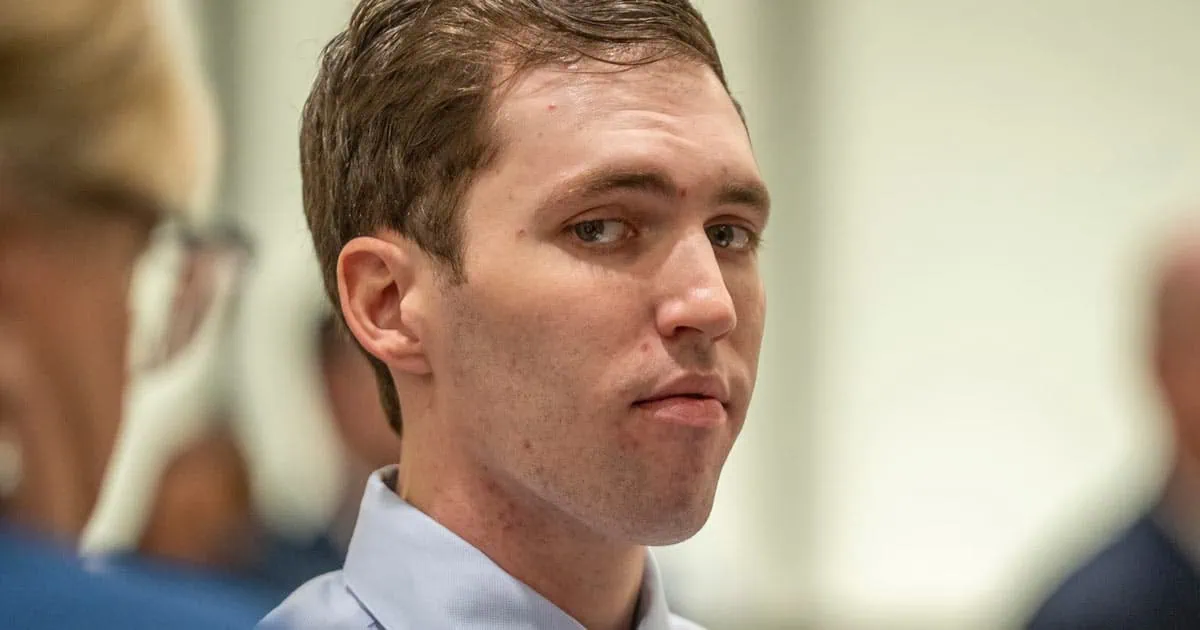
In the quiet halls of Utah’s Fourth District Court, a case that has gripped a divided nation edges toward a new chapter. A judge has ruled to unseal portions of the transcripts and audio from a previously closed hearing tied to the murder of Charlie Kirk, the conservative figure whose death in September 2025 sent ripples through political circles and beyond.
Kirk’s life was cut short at Utah Valley University. It was a sharp, sudden moment — a single gunshot from above that ended the voice of a man known for his fight against what he called progressive overreach. He was only 31, a husband and father, founder of Turning Point USA, standing before a crowd when tragedy struck. The attack left a void both personal and ideological.
Tyler Robinson, the accused, now 22, faces charges that could lead to the death penalty. His path after the shooting unfolded quickly yet with a strange calm. He fled, discarded the suspected weapon—a Mauser .30-06 rifle—and returned home in southern Utah, hours away. There, he confessed to those closest to him: his roommate, Lance Twiggs, and his parents. The latter convinced Robinson to surrender to authorities, setting in motion a complex legal process that has been anything but straightforward.
Since his first court appearance, Robinson has remained largely unseen in person, participating instead via video link. His defense’s unusual request during a closed hearing—to unshackle one hand to take notes—raised eyebrows and prompted questions about courtroom transparency and security. The judge, Tony Graf Jr., has walked a tight line between the public’s demand for openness and the need to maintain order and safety.
Judge Graf’s words linger: “This case is unique. Whether we like it or not, this case is unique.” Those few sentences hold weight beyond their surface. They speak to the exceptional nature of this tragedy and the challenge of balancing justice with the intense public spotlight it attracts.
Media outlets, including Fox News, have pushed hard for greater access, warning against secrecy in such a high-profile trial. Yet the court has held firm on certain restrictions, leaving many questions still shrouded in partial silence.
This unfolding story is a reminder of the uneasy space where justice meets public scrutiny. What details remain hidden, and why? How will transparency evolve as this case moves forward? For a nation watching closely, these questions echo quietly, underscoring the complex dance of accountability in an era marked by division and demand for truth.
Help keep this independent voice alive and uncensored.
Buy us a coffee here -> Just Click on ME