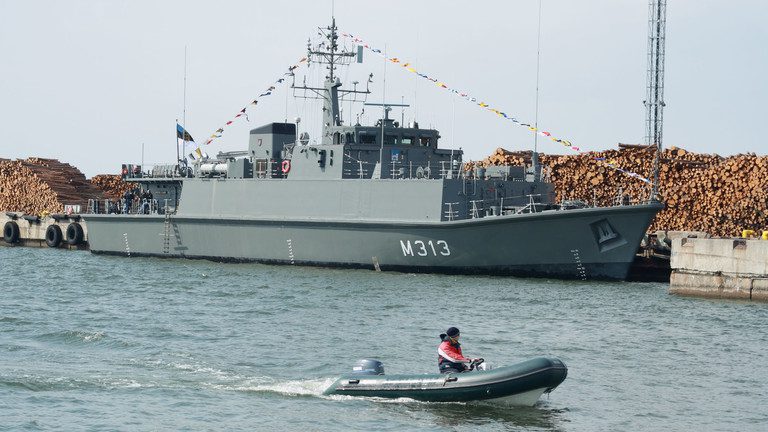
The chill blowing off the Baltic Sea isn’t just wind anymore—it carries the weight of war whispers and old ghosts rising from deep water.
In a move that feels ripped from the pages of a Cold War nightmare, Estonia—a small but fierce NATO member—is on the edge of something unthinkable: granting its military the legal right to sink civilian ships.
You read that right. Civilian. Ships.
According to Estonian state media (ERR), lawmakers are preparing to pass a bill that would allow the nation’s defense forces to open fire on any vessel in its waters—or even in its extended economic zone—if it’s considered a threat to national security. No trials. No warnings. Just a decision… and then silence.
What sparked this chilling escalation?
The sea, as it turns out, is not so quiet. Last December, a critical power cable between Estonia and Finland was mysteriously damaged. Fingers were pointed quickly—toward Moscow. No hard proof. Just suspicion. Accusations. Shadows cast by broken wires beneath the waves.
Russia denied it all, calling the claims “absurd.”
But Estonia wasn’t convinced. Neither were its NATO allies, who soon surged naval power into the Baltic like vultures circling stormy skies. Now, the Estonian government is acting like it’s already at war—just without the declaration.
The proposed law doesn’t mince words. If a civilian vessel is seen as a threat—if letting it proceed is judged riskier than sinking it—then the Estonian Navy has full authority to eliminate it. Gone. Just like that.
The catch? The military only has to inform the ship’s owner—or the country it’s registered under—after they’ve pulled the trigger.
______________________________________________
🔴 Help keep this independent voice alive and uncensored -> Buy us a Coffee <-
Kalev Stoicescu, chair of Estonia’s defense committee, has tried to downplay the horror of it all, insisting this isn’t about punishing accidental damage or misunderstood intentions. But then he compared the stakes to 9/11—a grim reminder of how quickly civilians can become casualties in geopolitical games.
Former Navy commander Juri Saska didn’t mince his words either. He warned that civilian ships could be weaponized. He didn’t deny the possibility that Estonia may one day pull the trigger. He only asked that politicians be ready to own the consequences when that day comes.
Because once you fire on a civilian vessel—even a suspicious one—you can’t walk that back.
And when that day comes, will the world understand? Or will history mark it as the moment a spark in the Baltic lit something far, far darker?
Because this isn’t just about one small country defending its coast.
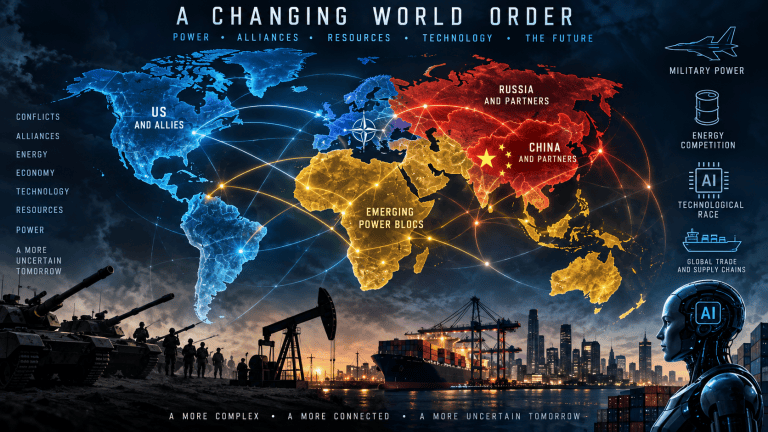
This is about a new world, where even the innocent can be sunk on suspicion… and the only warning is the sound of guns, echoing across cold water.
About the Author


This is about a new world, where even the innocent can be sunk on suspicion… and the only warning is the sound of guns, echoing across cold water.