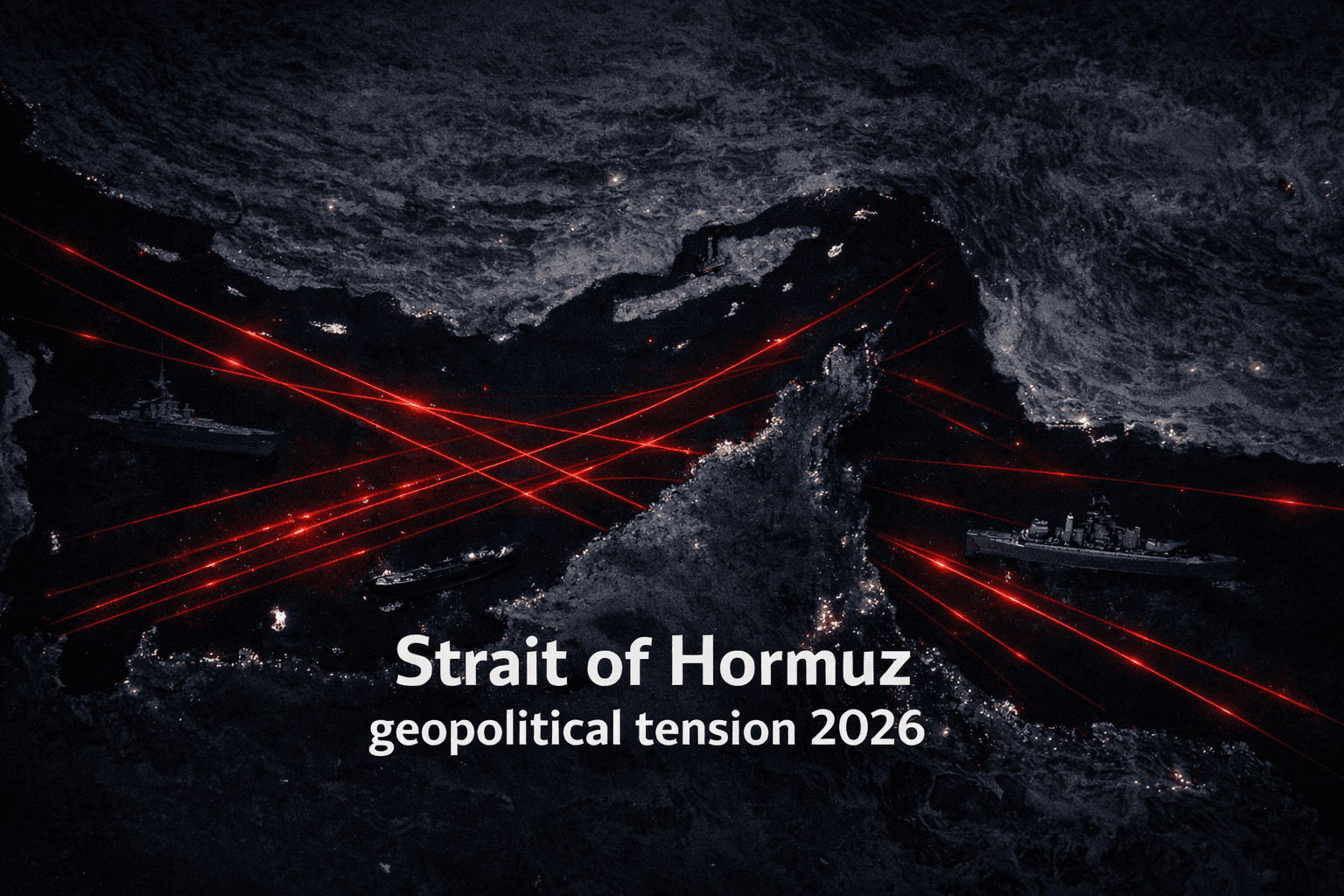
The latest developments around the Strait of Hormuz aren’t being framed as a breaking crisis — and that may be the most important signal of all.
A new report outlining rising tensions between the U.S., Iran, and Israel suggests movement, but not escalation in the traditional sense. Instead, what’s forming looks slower, more deliberate… and more structural.
In other words, this isn’t about a single event.
It’s about positioning.
A Shift in Tone, Not Just Activity
Recent coverage highlights a growing concern among officials that the situation in the region could shift quickly if miscalculations occur.
A detailed breakdown of the current posture can be seen in emerging concerns about escalation risks in the Strait region
https://apnews.com/article/us-iran-war-israel-hormuz-19-april-2026-0a637f98d588930f195f61cffe07d4f3
But what stands out isn’t just the possibility of conflict — it’s how carefully language is being managed.
There’s no overt signaling of imminent war.
No dramatic troop announcements.
______________________________________________
🔴 Help keep this independent voice alive and uncensored -> Buy us a Coffee <-
No sudden economic shocks.
Instead, the narrative is being shaped around preparedness, deterrence, and containment.
That kind of framing usually appears when systems are already under quiet strain.
The Pattern Beneath the Movement
This development doesn’t exist in isolation.
It connects directly to earlier patterns in global energy vulnerability and maritime chokepoint sensitivity — especially in regions where a single disruption can ripple through the entire global economy.
A similar structure appeared in previous coverage of oil route fragility and strategic positioning in key waterways, where tensions didn’t spike overnight — they accumulated gradually, often beneath public awareness.
What we’re seeing now follows that same blueprint:
- Increased monitoring without escalation
- Strategic ambiguity in public messaging
- Reinforced presence without direct confrontation
These are not crisis signals.
They are pre-crisis conditions.
Institutional Behavior Is Telling a Different Story
While headlines remain relatively measured, institutional behavior suggests deeper concern.
Military readiness levels, diplomatic positioning, and economic sensitivity to oil flow disruptions are all subtly aligning.
This creates a contradiction:
Public messaging suggests stability.
Operational behavior suggests caution.
That gap — between what is said and what is done — is often where the real story exists.
Timing Matters More Than the Event
Another layer to watch is timing.
Nothing appears rushed.
Nothing appears reactive.
And that’s important.
Because when geopolitical actors move slowly in a high-risk region, it often means they are working within constraints — not reacting to surprises.
That implies:
- Existing intelligence awareness
- Long-term contingency planning
- A desire to avoid triggering chain reactions
This aligns with broader patterns seen in economic positioning and currency movements tied to geopolitical risk.
Where This Fits in the Larger System
This situation is part of a wider cluster of signals:
Energy security concerns
Currency fluctuations tied to instability
Strategic military positioning without engagement
Each of these on their own might seem manageable.
Together, they form a system under pressure.
This connects to earlier observations about how financial markets begin reacting before geopolitical events fully materialize — not after.
And it will likely evolve into broader analysis of how energy chokepoints are becoming central leverage points in global power dynamics, especially as competing alliances tighten control over supply routes.
The Quiet Build
What’s happening in the Strait of Hormuz right now isn’t loud.
It’s not dramatic.
And it’s not being framed as urgent.
But that doesn’t mean it isn’t significant.
In fact, the absence of urgency in the narrative may be the clearest indicator that something deeper is unfolding — something that doesn’t need headlines to move forward.
Because sometimes, the most important shifts don’t announce themselves.
They position themselves.
And by the time they become visible… they’re already in motion.
About the Author

1 thought on “Strait of Hormuz Pressure Builds Quietly Beneath the Headlines”