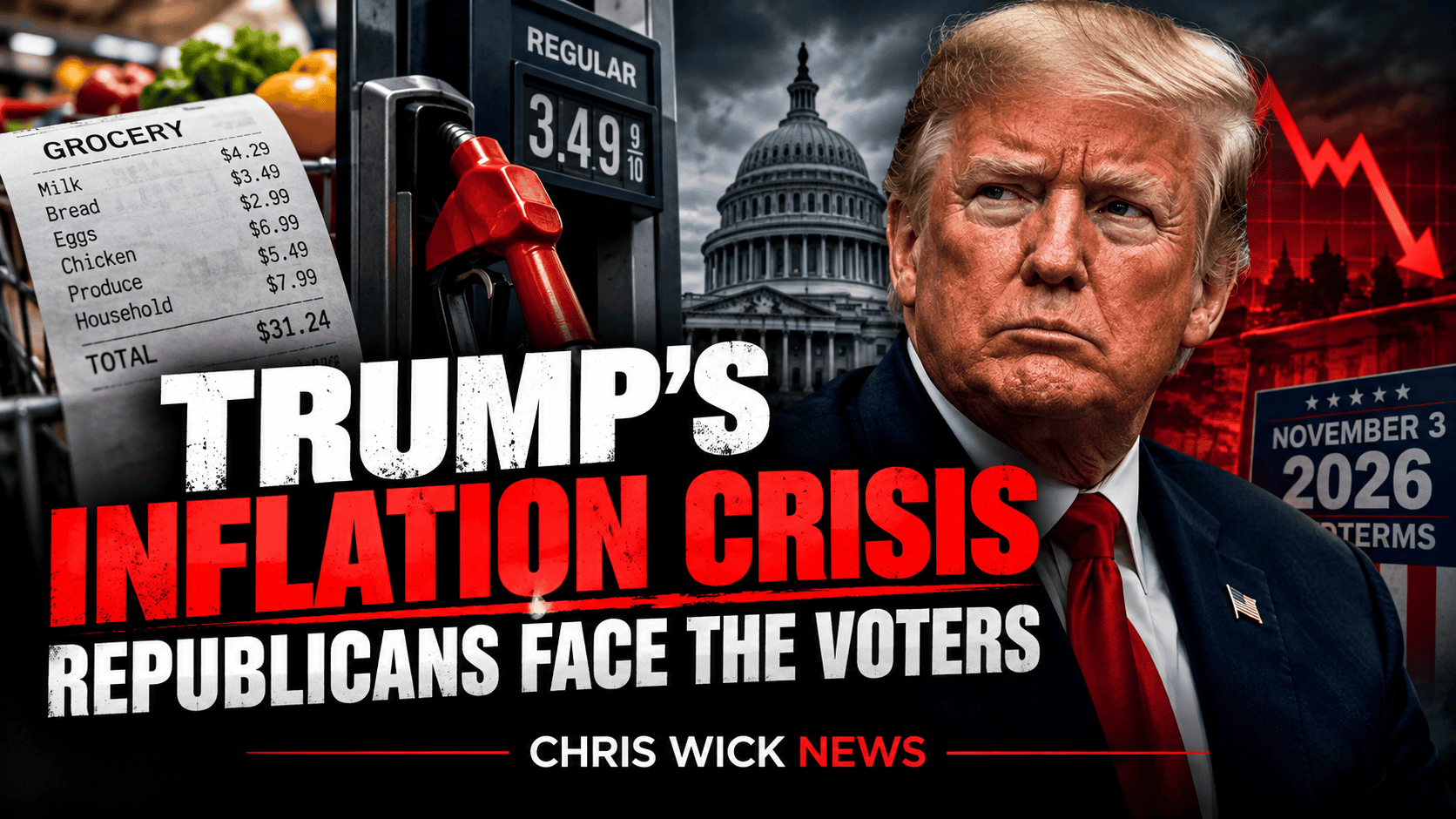
Donald Trump’s approval rating has climbed from a record low, but the numbers reveal something far more troubling for Republicans: Americans are increasingly losing patience with a government that promised economic relief while everyday life keeps getting more expensive.
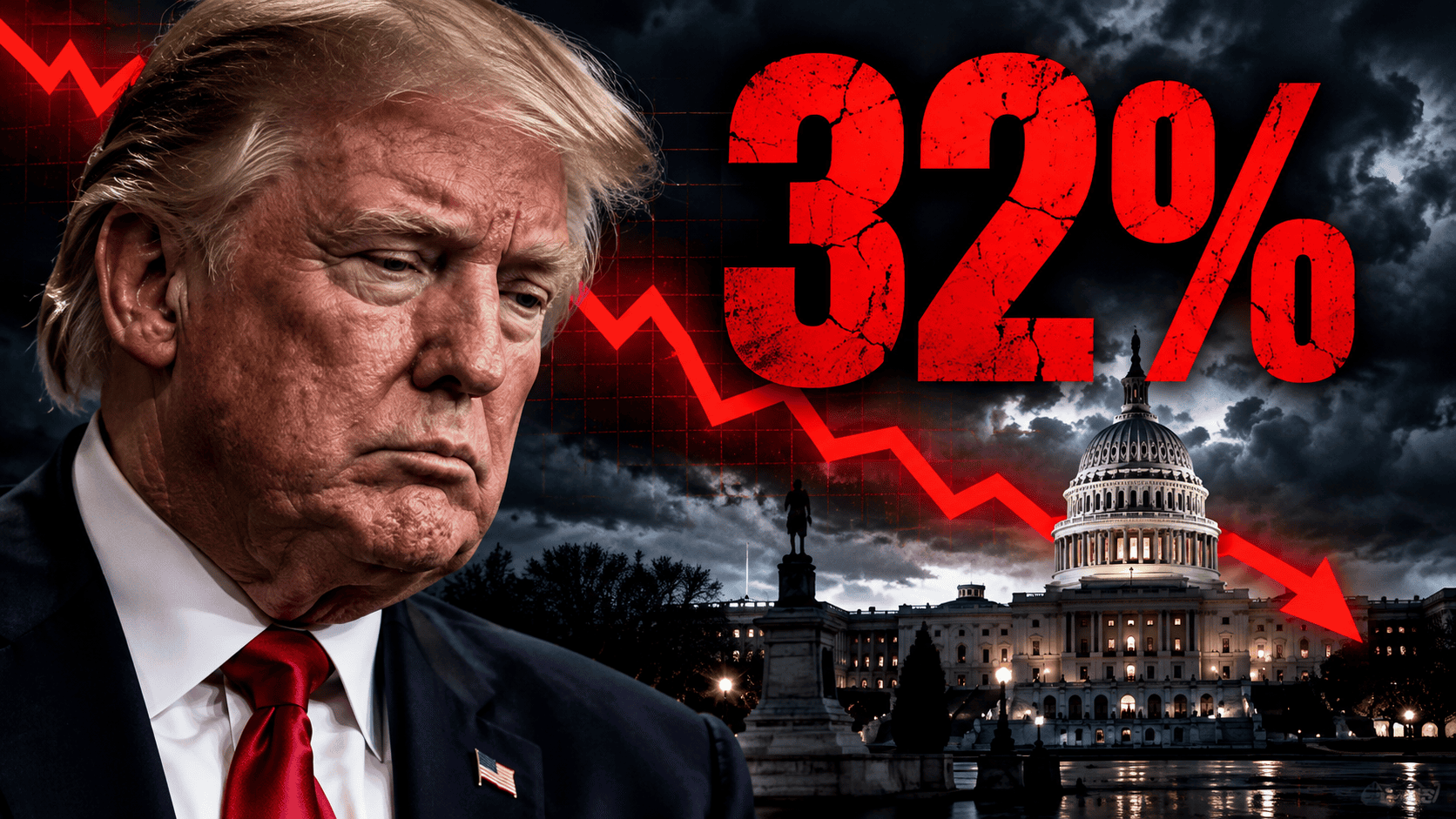
With the November 3 midterm elections approaching, the latest Reuters/Ipsos poll places President Donald Trump’s approval rating at just 32%.
That’s a one-point improvement from the previous week’s record low of 31%.
Hardly a political comeback.
And certainly not the kind of numbers a president wants when his party is fighting to maintain control of Congress.
Behind the headlines lies a much bigger problem for Washington: Americans are increasingly questioning whether the political establishment understands the financial pressures ordinary households face.
For Republicans, the consequences could arrive at the ballot box in less than a week.
Trump’s Approval Rating Reveals a Growing Political Problem
The Reuters/Ipsos poll, completed October 26, found that only 32% of American adults approve of Trump’s performance as president.
While the slight increase technically represents an improvement, the broader political picture remains deeply uncomfortable for the White House.
______________________________________________
🔴 Help keep this independent voice alive and uncensored.
Support independent journalism and help keep Chris Wick News going.
👉 Support Chris Wick on GoFundMe
A president with approval hovering around one-third of the population enters a difficult environment when voters are preparing to decide which party controls the legislative branch.
And the congressional numbers are arguably more concerning.
Among registered voters, Democrats lead Republicans 47% to 36% when respondents are asked which party they would support in congressional elections.
That’s an 11-percentage-point advantage.
When undecided voters are asked which party they lean toward, the Democratic advantage narrows to nine points, with Democrats at 50% and Republicans at 41%.
Even among likely voters, Democrats maintain a nine-point lead.
These figures do not guarantee a Democratic victory. Congressional elections are decided district by district and state by state, not through a single nationwide vote.
Nevertheless, the numbers suggest Republicans are entering the final stretch of the campaign facing substantial political resistance.
The Cost-of-Living Crisis Washington Cannot Escape
For millions of Americans, political arguments about economic success mean very little when the grocery bill keeps climbing.
The latest poll found that 73% of voters believe their cost of living is moving in the wrong direction.
That number deserves more attention than almost any political speech delivered during this campaign.
Nearly three-quarters of surveyed voters are expressing dissatisfaction with the direction of their living expenses.
The economic frustration is especially significant because Trump returned to the White House promising to improve affordability and restore American prosperity.
Yet rising energy costs and inflation have complicated that message.
Gasoline prices have increased following the military strikes against Iran earlier this year, adding another layer of financial pressure for households already struggling with everyday expenses.
For families balancing rent, food, transportation, utilities, and debt, the political question is becoming increasingly straightforward.
Are they actually better off?
And if they aren’t, why should they reward the party currently controlling Washington?
That question is not exclusive to Republicans.
Democrats have faced similar public anger when economic promises failed to match household realities.
But Republicans currently control the White House and both chambers of Congress, making them the most immediate target for dissatisfied voters.
Republicans Are Losing Their Economic Advantage
One of the most revealing findings concerns which political party Americans trust to manage the economy.
According to the poll, 37% of voters believe Democrats have the better economic approach.
Only 33% choose Republicans.
The four-point difference is not enormous, but the direction matters.
Republicans have traditionally relied heavily on their reputation for economic management, lower taxes, and business-friendly policies.
That reputation becomes considerably less useful when voters associate the governing party with rising expenses.
Before the conflict with Iran began, Reuters/Ipsos polling indicated that voters generally preferred Republicans over Democrats on economic management.
That advantage has now reversed in the latest survey.
This is where political messaging encounters an uncomfortable reality.
Governments can celebrate economic indicators, announce investments, and deliver carefully prepared speeches about prosperity.
But voters experience the economy through their own bank accounts.
If the numbers on their monthly bills keep rising faster than their financial security, official declarations of economic success may sound increasingly disconnected.
Sources
Reuters — Trump approval rises from record low to 32% ahead of midterm election, Reuters/Ipsos poll finds (October 26, 2026)
Ipsos — Reuters/Ipsos Mid-October Survey (October 19, 2026)
https://www.ipsos.com/en-us/reutersipsos-mid-october-survey