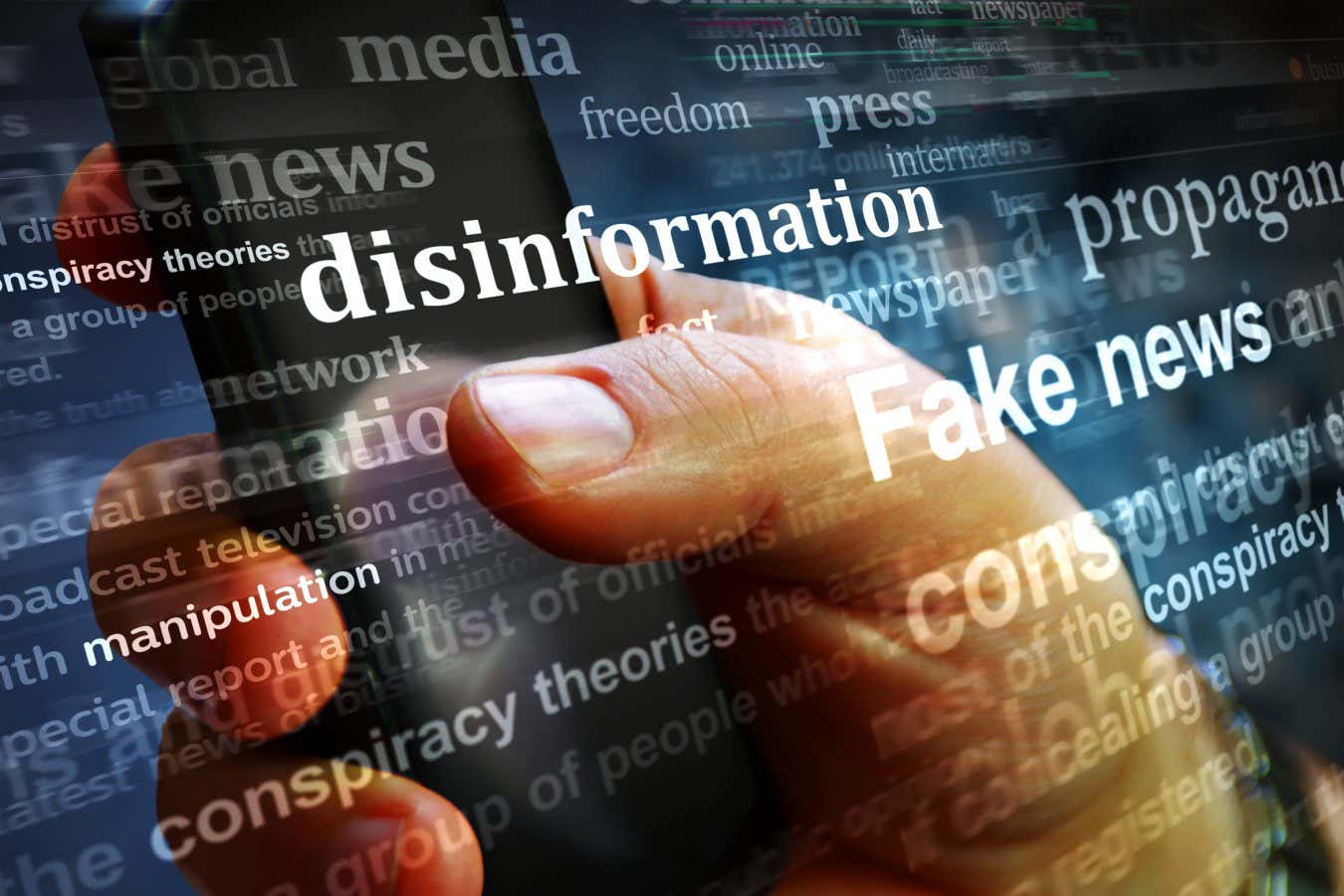
The battle for truth is no longer confined to the newsroom or the campaign trail—it’s raging online, where falsehoods travel faster than facts and entire elections can be swayed by a single viral lie. Around the world, and increasingly in Canada, the surge of online political disinformation is poisoning public trust, polarizing communities, and threatening the very foundations of democracy.
For ordinary citizens scrolling through their feeds, it’s becoming harder to separate fact from fiction. Fabricated headlines, AI-generated “deepfakes,” and coordinated smear campaigns blend seamlessly into the daily stream of content. And while some dismiss it as just “noise,” the consequences are anything but harmless. Disinformation is not just mischief—it’s a weapon.
How Disinformation is Reshaping Politics
Experts say the rise of political disinformation has been supercharged by three forces: technology, money, and polarization. Social media algorithms reward sensational, divisive content. Wealthy power brokers—foreign and domestic—see disinformation as a cost-effective tool to influence public opinion. And in an age of deep division, people are more likely to believe lies that validate their anger than truths that challenge it.
This toxic mix doesn’t just confuse voters—it destabilizes institutions. When citizens can’t agree on basic facts, elections lose legitimacy, governments lose authority, and trust in democracy itself crumbles.
The Threat to Democratic Process
What makes this rise especially dangerous is the scale and speed of modern disinformation campaigns. During election seasons, fake news can flood timelines within hours, drowning out legitimate voices. False narratives about voter fraud, rigged systems, or foreign conspiracies erode confidence in results before ballots are even counted.
Once trust in elections is lost, the democratic process begins to unravel. Protests flare, conspiracy theories spread like wildfire, and political violence becomes a chilling possibility. In the worst-case scenario, democracy doesn’t collapse with a bang—it rots quietly from within.
What Can Be Done?
Governments worldwide are scrambling to respond, from passing stricter online transparency laws to pressuring tech giants to crack down on fake accounts and manipulated content. Civil society groups are working to educate the public, teaching digital literacy as a form of defense against manipulation.
But critics warn that heavy-handed measures could backfire, giving governments too much power to decide what counts as “truth” and what should be silenced. This raises uncomfortable questions: who becomes the ultimate arbiter of fact? And could censorship itself become a greater threat to democracy than disinformation?
The Choice Ahead
The rise of online political disinformation is not just a nuisance—it’s a defining challenge of our time. Democracy depends on informed citizens making free choices. If the information we rely on is corrupted, our choices may no longer be free, and the system itself could be hijacked.
______________________________________________
🔴 Help keep this independent voice alive and uncensored.
Support independent journalism and help keep Chris Wick News going.
👉 Support Chris Wick on GoFundMe
The choice, then, is clear but difficult: act decisively to defend truth without destroying freedom, or watch as disinformation continues to erode the fragile bonds of trust that keep democracy alive.