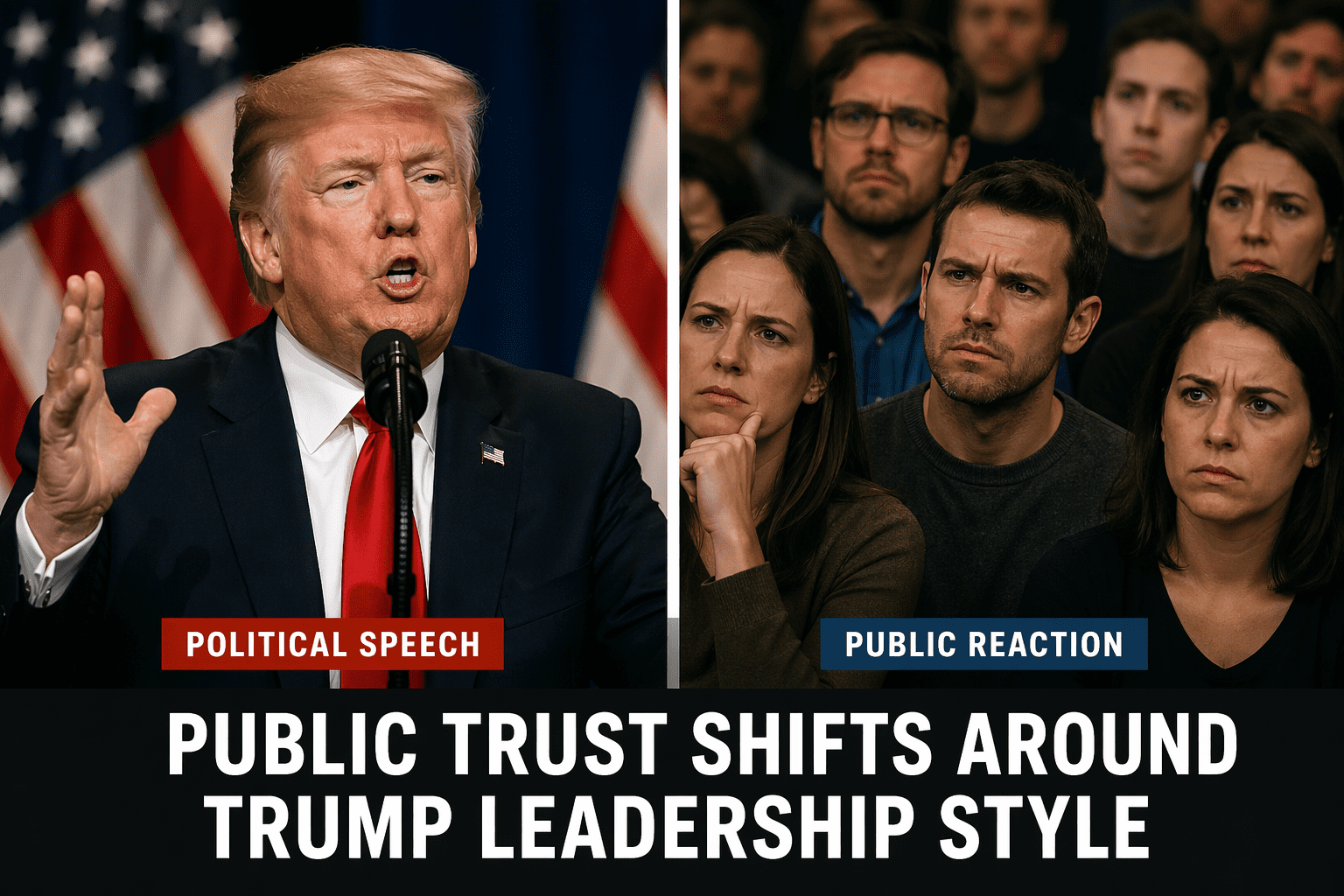
A subtle shift is happening—and it’s not being driven by headlines alone.
It’s forming underneath them.
Recent polling suggests a growing number of Americans are questioning the temperament and decision-making approach of Donald Trump, particularly in the context of escalating tensions abroad and unexpected public disputes.
According to a Reuters/Ipsos survey, concerns are no longer limited to policy disagreements—they’re beginning to center on stability, tone, and consistency.
This reflects something deeper than a single moment.
It signals a pattern.
Source reference:
https://www.reuters.com/world/us/many-americans-question-trumps-temperament-amid-iran-war-pope-spat-reutersipsos-2026-04-21/
A Shift From Policy to Perception
For years, political divisions have largely been rooted in ideology—left vs right, globalism vs nationalism.
But this shift feels different.
______________________________________________
🔴 Help keep this independent voice alive and uncensored -> Buy us a Coffee <-
It’s moving from what decisions are being made…
to how those decisions are being made.
That distinction matters.
Because when public concern shifts toward leadership temperament, it begins to affect:
- Institutional confidence
- International credibility
- Long-term governance stability
This connects to earlier patterns in public reaction during periods of geopolitical escalation, where leadership style becomes just as scrutinized as strategy.
The Timing Is Not Accidental
The concern isn’t emerging in isolation.
It’s happening alongside:
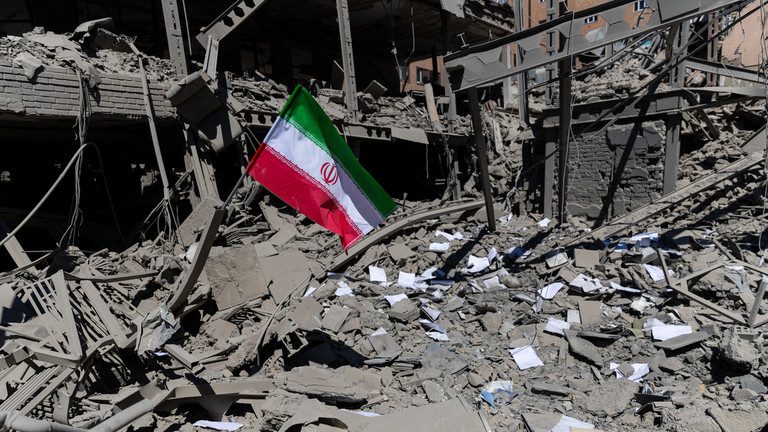
- Renewed global tensions involving Iran
- Public disagreements involving international religious leadership
- Ongoing financial and military commitments overseas
Each of these events alone might not shift public perception significantly.
But together, they create a cumulative effect.
A layering.
A similar structure appears in previous coverage of how overlapping crises tend to amplify scrutiny of leadership behavior—not because of any one decision, but because of the pattern they form over time.
Institutional Pressure vs Public Messaging
Another subtle contradiction is emerging.
On one hand, official messaging continues to emphasize strength, control, and strategic intent.
On the other, public sentiment—at least in part—is beginning to reflect uncertainty.
That gap is where tension builds.
And historically, when there’s a widening gap between institutional messaging and public perception, it doesn’t stay quiet for long.
It evolves.
The Broader System at Work
This isn’t just about one leader or one moment.
It reflects a recurring dynamic within political systems:
- Crisis events accelerate scrutiny
- Public perception shifts faster than institutional narratives
- Trust becomes tied to behavior, not just outcomes
And once that shift happens, it tends to spread beyond borders.
Because global leadership—especially from the United States—doesn’t operate in isolation.
It influences allies, markets, and adversaries simultaneously.
What Comes Next Isn’t Clear—But It’s Forming
What we’re seeing now may not be a turning point.
But it could be an early signal.
A signal that public trust is entering a more sensitive phase—where consistency, tone, and decision-making style carry increasing weight.
This will likely evolve into broader analysis of how leadership perception directly impacts global stability, especially during periods of overlapping geopolitical pressure.
And if that pattern continues…
The real story may not be about what decisions are made next.
But how they are received.
About the Author

1 thought on “The Pattern Behind the Noise: Public Trust, Power, and the Shifting Perception of Leadership”