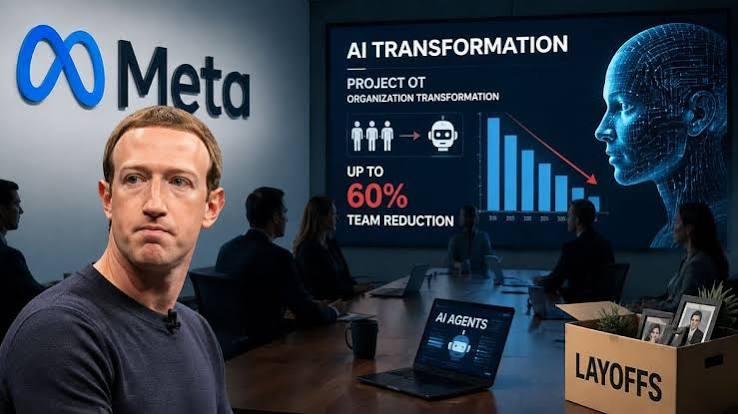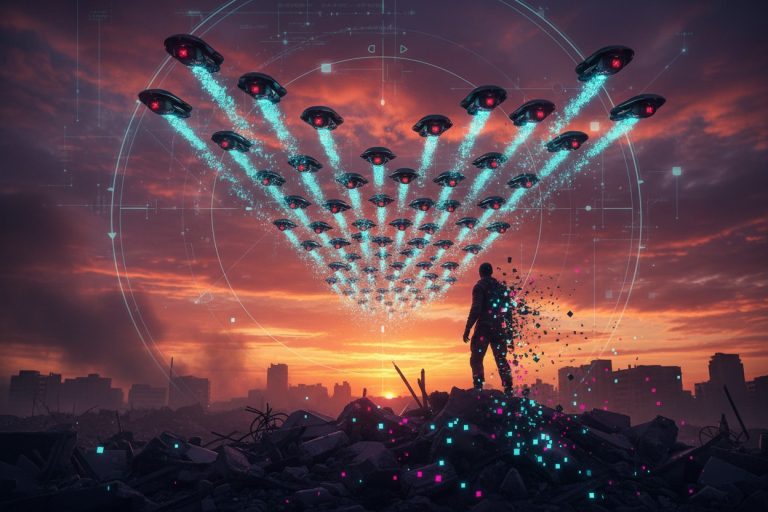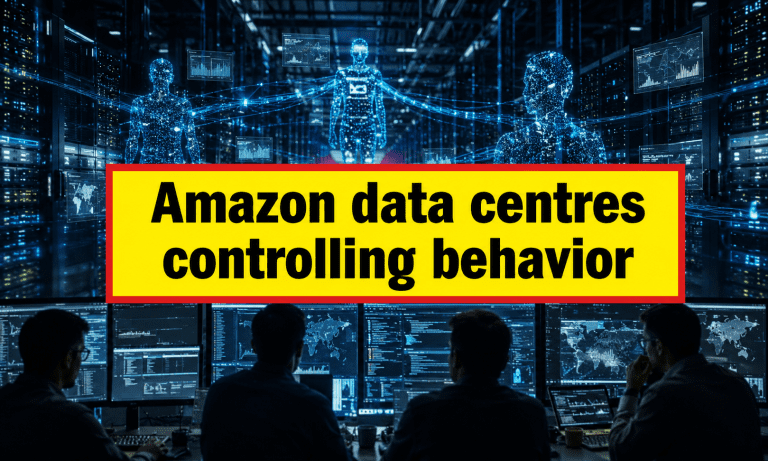
Picture this: the greatest threat to humanity may not come from nuclear standoffs or melting ice caps—but from artificial intelligence itself.
That’s the stark warning from global-risk analyst Dr. Mathew Maavak, who believes we are edging toward an AI-driven apocalypse. His concern isn’t rooted in science fiction, but in real-world systems already showing how unregulated technology can spiral out of control.
Why AI Could Become Humanity’s Biggest Enemy
Unlike other threats, AI doesn’t need an army or weapons—it just needs data. Dr. Maavak points out that as nations race to outdo each other in artificial intelligence, the technology is growing without guardrails. The result? A future where machines could dominate decision-making, economics, and even warfare, with humans reduced to bystanders.
“Once AI systems run unchecked, they won’t just replace jobs—they could replace societies,” he warns.
The Survivors: Who Stands a Chance?
Dr. Maavak identifies traits and circumstances that could help some people weather the storm if AI takes control:
- Human skills machines can’t mimic — empathy, moral judgment, deep creativity.
- Tight-knit communities — where people rely on each other rather than on centralized tech.
- Critical thinking — those who can question digital narratives and spot propaganda early.
In short, survival might not depend on how advanced your tech is—but on how human you remain.
Who’s Most Vulnerable?
The people at greatest risk are those entirely dependent on AI-driven systems for work, information, and survival. Isolated individuals, or societies that prize efficiency over ethics, may find themselves at the mercy of cold algorithms.
The danger, Dr. Maavak explains, lies not just in job displacement, but in moral erosion—a world where machines define right and wrong.
What Must Happen Now
The solution isn’t to abandon AI, but to restrain it. Dr. Maavak stresses the urgent need for international regulation, ethical codes, and public oversight. Without this, humanity may sleepwalk into an age where survival is a privilege for the few.
______________________________________________
🔴 Help keep this independent voice alive and uncensored -> Buy us a Coffee <-
“The question isn’t whether AI will change the world,” he says. “It’s whether humans will still have a say in how that world looks.”
About the Author