What the hell are we building for the next generation?
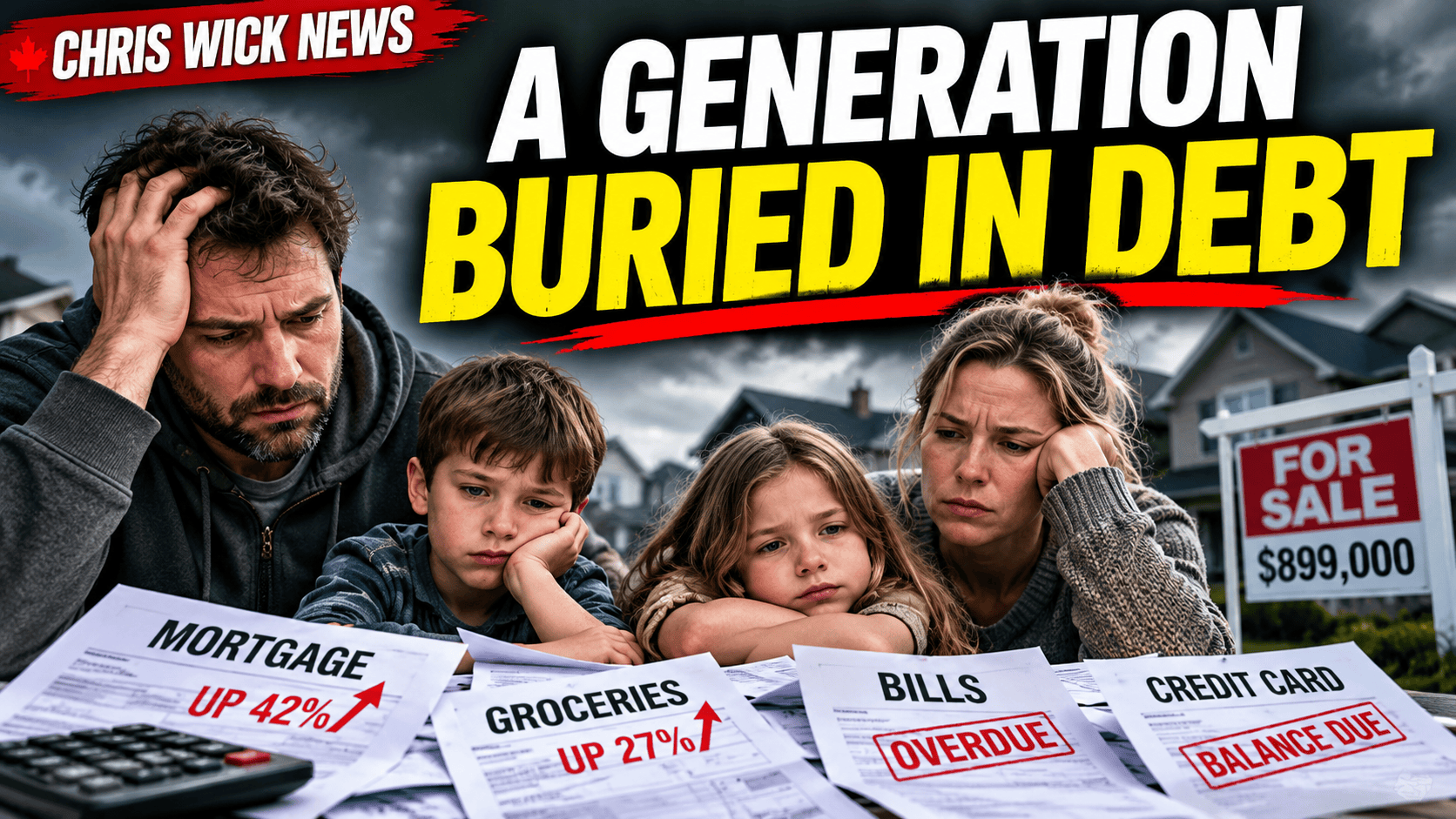
A lifetime of debt, unaffordable homes, financial insecurity and a retirement they may never be able to afford?
We’re supposed to leave our children a better world than the one we inherited.
Instead, we’re leaving them a bloody invoice.
The promise that hard work would lead to financial independence, homeownership and a comfortable retirement is becoming increasingly difficult to fulfil. Across Canada and the United States, younger generations are confronting economic obstacles that threaten their ability to build the lives they once imagined.
And the consequences could extend far beyond their bank accounts.
Homeownership Is Becoming an Unreachable Dream
There was a time when an ordinary working family could reasonably aspire to purchase a home without committing nearly every available dollar to housing.
Today, many young adults face a dramatically different reality.
Between substantial down payments, mortgage payments, insurance, property taxes and everyday living expenses, purchasing even a modest home can feel financially overwhelming.
Some remain with their parents well into adulthood. Others spend years renting while struggling to accumulate enough savings to enter the housing market.
How can we expect younger generations to establish financial independence when the cost of securing a roof over their heads consumes so much of their income?
Working Hard Is No Longer Enough for Everyone
The traditional formula for success was relatively straightforward: get an education, find employment, work hard, save money and gradually build financial security.
But that formula offers fewer guarantees today.
A university degree does not necessarily guarantee a well-paying career. Full-time employment does not automatically guarantee affordable housing. And decades of employment do not necessarily guarantee a comfortable retirement.
For households already struggling financially, an unexpected vehicle repair, medical expense or job loss can wipe out months of savings.
The issue is not simply whether younger people are willing to work. It is whether the economic opportunities available to them are sufficient to build lasting financial stability.
Who Will Pay for Today’s Government Debt?
Public borrowing can serve legitimate purposes, including infrastructure development, healthcare, education and emergency economic support.
However, government debt also comes with interest obligations.
When borrowing grows without corresponding improvements in economic productivity or public services, future governments may face difficult choices involving taxation, spending reductions or additional borrowing.
Younger taxpayers could ultimately inherit those financial pressures.
The important question is whether today’s public spending will leave future generations with valuable assets and stronger institutions — or financial obligations without comparable benefits.
That distinction deserves far more public scrutiny.
The Retirement Dream Is Under Pressure
Imagine spending your entire working life paying rent, servicing debt, covering rising living expenses and trying to put something aside for retirement.
Now imagine reaching your late sixties and discovering that you cannot afford to stop working.
That possibility is a legitimate concern for people who struggle to save consistently throughout their working years.
Without adequate savings, affordable housing or sufficient retirement income, financial independence in old age becomes considerably harder to achieve.
Retirement should represent an opportunity to enjoy the remaining years of one’s life, not another chapter of financial uncertainty.
The Human Cost of Financial Insecurity
Economic insecurity affects more than purchasing power.
It can influence whether people marry, have children, pursue education, start businesses or take professional risks.
When people feel that their future is financially uncertain, long-term planning becomes more difficult.
An economy should be evaluated not only by its overall growth but also by whether ordinary citizens can translate that growth into meaningful improvements in their lives.
Housing affordability, household savings, purchasing power and retirement security deserve serious attention alongside traditional economic indicators.
Dark Final Thoughts
What kind of legacy are we leaving behind?
Our children and grandchildren deserve more than a lifetime spent servicing debt, chasing unaffordable homes and wondering whether they will ever experience financial independence.
Every generation faces challenges. But every generation also has a responsibility to consider the consequences of the decisions it makes today.
We should be building opportunities, not simply transferring obligations.
Because when the next generation asks what we did to protect their future, they deserve a better answer than a bloody invoice.
About the Author