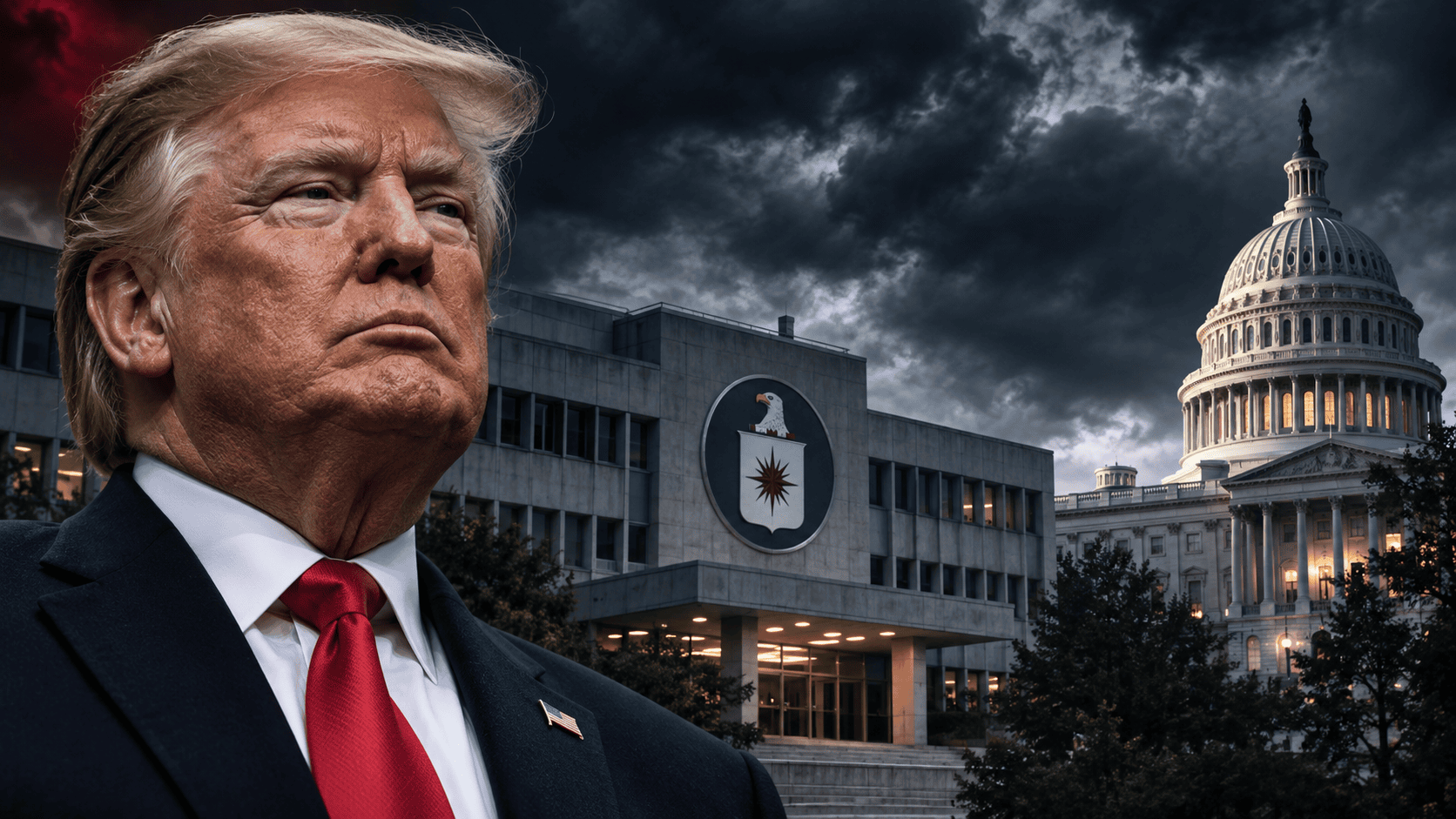
WASHINGTON, November 11, 2026 — America’s intelligence agencies are facing a reckoning, and the accusations emerging from Capitol Hill strike at something far more dangerous than another partisan battle: the possibility that intelligence professionals are becoming afraid to report inconvenient truths.
House Democrats are preparing investigations into President Donald Trump’s handling of the CIA and other U.S. intelligence agencies after winning control of Congress in the November 3 midterm elections.
Representative Jim Himes, the Connecticut Democrat preparing to chair the House Intelligence Committee in January, told Reuters that analysts have experienced political pressure and declining morale.
The central allegation is explosive: intelligence officers may be avoiding sensitive conclusions because they fear professional retaliation.
If substantiated, that would represent a serious threat to the independence of American intelligence assessments.
When Intelligence Becomes a Loyalty Test
The Trump administration has overseen sweeping personnel reductions across the intelligence community.
In 2025, then-Director of National Intelligence Tulsi Gabbard reduced staffing at her agency by approximately 40%. CIA Director John Ratcliffe also announced plans to eliminate more than 1,000 positions over several years.
Both agencies offered voluntary departure programs, but the restructuring also included dismissals of experienced intelligence professionals.
According to Reuters, at least two dismissed analysts had participated in an intelligence assessment that conflicted with the White House’s position on Venezuela.
That raises an uncomfortable question.
Were these officials removed because of legitimate performance or organizational concerns, or because their professional assessments challenged the administration’s preferred narrative?
Those are different circumstances, and the distinction matters enormously.
Trump has repeatedly criticized what he calls the entrenched “deep state.” His administration’s efforts to restructure intelligence institutions can be understood as part of that broader campaign against an establishment he considers hostile.
But reforming an intelligence bureaucracy and punishing analysts for unwelcome conclusions are not the same thing.
The Warning Signs Inside America’s Spy Network
Himes said he reviewed a legally mandated intelligence community workforce survey indicating that employees experienced significant political pressure during 2025.
He is also seeking to declassify additional internal reporting that could help establish whether personnel decisions damaged intelligence operations.
Reuters previously reported disruptions in intelligence sharing and cooperation following security-clearance revocations involving current and former intelligence officials.
The forthcoming investigation will also examine relationships between the administration and defense contractors, intelligence contractors and covert American operations overseas.
These inquiries could reveal whether the restructuring improved accountability or weakened institutions responsible for identifying threats before they become national emergencies.
However, the investigations have not yet established that Trump personally directed retaliatory dismissals or ordered analysts to suppress findings.
Those allegations require evidence, testimony and meaningful scrutiny.
The Real Danger Isn’t Political Embarrassment
There is a fundamental reason intelligence agencies must remain capable of delivering assessments that contradict political expectations.
Presidents make decisions involving military operations, foreign governments, terrorism and national security based partly on information supplied by intelligence professionals.
When those professionals begin tailoring their conclusions to protect their careers, decision-makers risk receiving reassurance instead of reality.
History offers painful reminders of what happens when governments rely on flawed intelligence or politically convenient assumptions.
And that danger does not disappear depending on which political party occupies the White House.
Congressional oversight must also avoid becoming another partisan spectacle. Democrats should be expected to substantiate their accusations, just as administration officials deserve the opportunity to explain their decisions.
The question now is whether the coming hearings will uncover genuine institutional misconduct or simply produce another round of Washington political warfare.
Because if intelligence analysts are afraid to tell the truth, the consequences won’t stop at the White House.
They could reach every American whose security depends on leaders knowing what is actually happening in the world.
Sources
Reuters — House Democrats to investigate Trump’s handling of US spy agencies