







When it comes to Donald Trump’s foreign policy, many critics see chaos and unpredictability. However, if you dig a little deeper, what you might find is a strategy that’s carefully crafted, albeit bold. Trump’s approach to the world is less about reckless moves and more about strategic pragmatism. His goal is to recalibrate America’s position on the global stage, undoing what he sees as the excesses of past administrations and reshaping the country’s priorities for the future.
In the first 100 days of his second presidency, Trump’s actions have stirred a flurry of reactions. His speed, pressure, and decisiveness have made headlines. But while some view this as revolutionary, it’s more accurate to see him as a counterrevolutionary. Rather than dismantling the American system, Trump is working to restore it to its roots, moving away from the globalist framework that has dominated US foreign policy for decades.
At home, Trump is pushing for a vision of America that stands on its own, with Republican majorities backing his initiatives. His policies, like downsizing the government and toughening immigration laws, have sparked opposition, but his strategy remains largely intact. Even the latest controversies, like the debate over strikes in Yemen, have done little to shake his standing. If anything, they serve to reinforce his image as a leader who takes bold, decisive action, no matter the political cost.
Economically, Trump’s vision is clear: reindustrialize America, promote tariffs, and invest in cutting-edge technologies. He’s shifting away from the globalized economy of the past, demanding that allies contribute more to rebuilding America’s industrial might. This approach has proven effective in many areas, especially with US allies, and even with China, Trump is confident that Beijing’s dependency on the US market can be leveraged for strategic gains.
On the global stage, Trump’s foreign policy is rooted in a realist doctrine of great-power competition. His main focus is clear: secure North America, build alliances to counter China, improve relations with Russia, and assert American influence in the Middle East. This isn’t about tearing down alliances but reshaping them to fit new priorities.
In military terms, Trump’s goal is to bolster American strength, particularly through nuclear modernization and a purge of “gender liberalism” within the armed forces. His stance on peace might seem contradictory at first—he continues airstrikes in Yemen, and threats to Iran are far from idle—but the larger picture is one of calculated force aimed at achieving longer-term strategic goals.
Take his stance on Ukraine, for example. Trump isn’t driven by sympathy for Russia, but by a desire to bring the conflict to an end quickly. This would free up American resources to focus on what he sees as the bigger challenge—China. His focus is also on making sure Europe pulls its weight when it comes to its own defense, pushing NATO to assume greater responsibility.
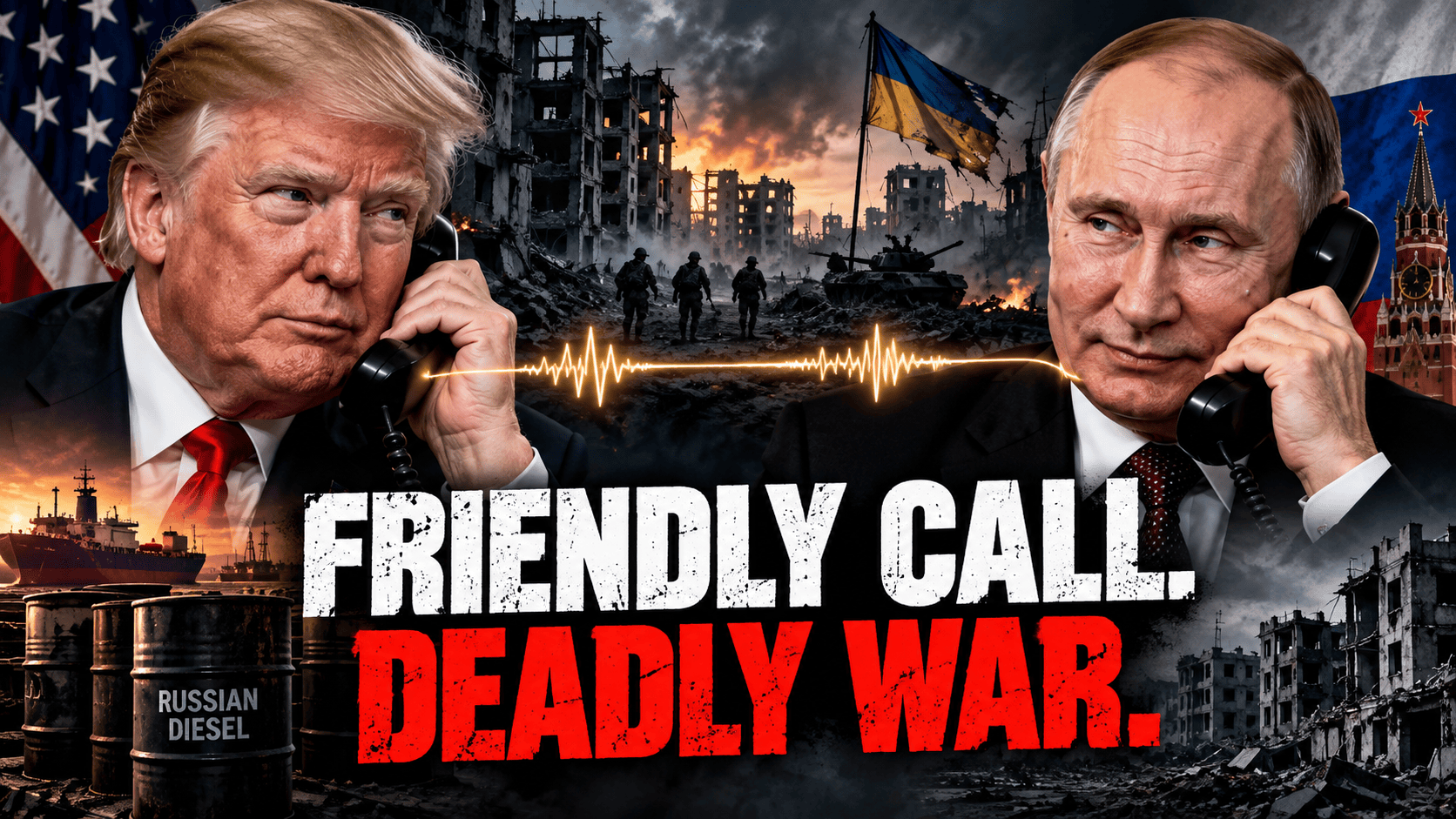
One of Trump’s more significant moves is his outreach to Russia. While many see Moscow as an adversary, Trump has a different view. He sees Russia more as a geopolitical rival than a direct military or ideological threat. Rather than isolating Russia from China, Trump aims to engage Moscow economically, especially in sectors like energy, the Arctic, and rare earths. The goal is to reduce Russia’s dependence on China and open the door for a more independent Russian stance on the world stage.
Ultimately, Trump’s foreign policy isn’t about chaos. It’s about restoring American sovereignty, reasserting global power, and recalibrating the world order to fit his vision. Far from being reckless, his policies reflect a calculated effort to reshape the international landscape, focusing on long-term strategic interests rather than short-term drama.