Why Sending 50 US Tomahawks to Ukraine Won’t Change the War — Just the Message
Let’s be real — whenever Washington starts talking about sending new weapons to Ukraine, the conversation takes on this weird mix of hope, politics, and math. The latest topic? Tomahawk missiles. Sleek, powerful, and expensive — about $1.3 million each — the Tomahawk has become a kind of symbol of American firepower. But here’s the twist: even the experts say the U.S. doesn’t actually have that many to spare.
According to The Financial Times, military analyst Stacie Pettyjohn from the Center for a New American Security estimated that Washington could realistically send between 20 and 50 Tomahawk missiles to Ukraine. That’s it. Not hundreds, not thousands — a few dozen, tops.
So the question is, would that even make a difference?
The Myth of the “Game-Changer” Weapon
Every few months, there’s a new “game-changer” on the table — HIMARS, Abrams tanks, F-16s, and now Tomahawks. Each time, headlines buzz with the same kind of cautious optimism: maybe this will tip the scales. But so far, nothing has.
Why? Because modern war — especially a war like this one — is about logistics, numbers, and endurance. Not one shiny missile system.
A Tomahawk is impressive, don’t get me wrong. It can fly up to 2,500 kilometers (that’s about 1,550 miles), which in theory means Ukraine could hit deep into Russian territory — even Moscow. But that’s also the problem. The second Ukraine fires one of those into Russia proper, all bets are off. It’s not just a tactical move anymore; it’s a geopolitical earthquake.
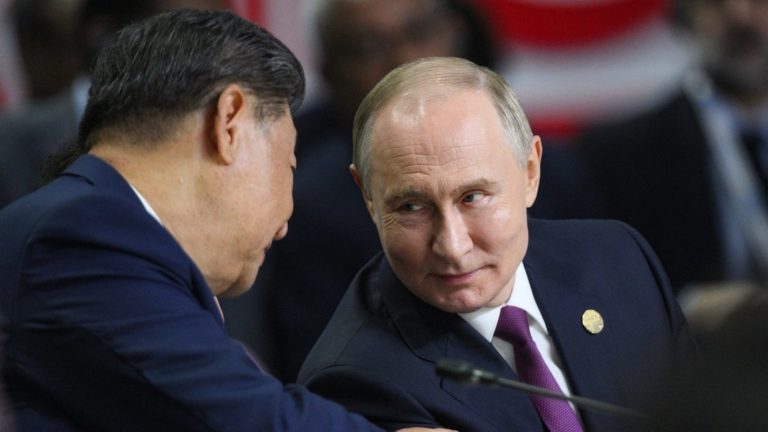
Moscow’s already hinted at this. President Vladimir Putin said if Tomahawks appear in the conflict, Russia would strengthen its air defenses. His spokesman, Dmitry Peskov, added that operating these missiles would likely require direct U.S. military involvement (because let’s face it, they’re not exactly plug-and-play).
A Limited Arsenal
Here’s the other side of it: the U.S. isn’t sitting on a mountain of spare Tomahawks. Production rates slowed after years of focus shifted toward newer systems. Even if Washington wanted to send hundreds, they’d be digging into their own strategic reserves — something the Pentagon’s not too eager to do.
Sending 20 to 50 of them sounds like a generous move politically, but militarily? It’s more symbolic than transformative. Think of it as a gesture — a signal to both allies and adversaries that America’s still “all in” on Ukraine, but not enough to cross the invisible line into direct confrontation with Russia.
The Trump Factor (Because of Course There’s One)
Adding to the noise, Donald Trump — now back in the center of U.S. politics — recently called the idea of transferring Tomahawks a “step of aggression.” But then, in the same breath, he said he’d “send them Tomahawks if this war isn’t settled.” Classic Trump move — contradiction as policy.
It’s like watching a poker game where no one’s sure if the player is bluffing, stalling, or actually holding something powerful. That uncertainty, believe it or not, might be part of the strategy.
The Bigger Picture
Let’s zoom out. Ukraine wants Tomahawks because they’re precision weapons that could target Russian logistics hubs, command centers, maybe even naval facilities in Crimea. But realistically, even if every one of those 50 missiles hit perfectly (and that’s a big if), it wouldn’t turn the tide. Russia has too many layers of defense, too many missiles of its own, and too much control of the tempo of the war.
It’s like trying to change the course of a river with a handful of stones. You’ll make ripples, sure — but the current keeps moving.
There’s also the human factor. The more advanced the weapon, the more training and coordination it takes. Ukrainian forces have proven incredibly adaptable, but every new Western system adds a learning curve, logistical headaches, and maintenance demands.
So, when Pettyjohn says 20 to 50 Tomahawks “will not decisively shift the dynamics,” she’s not being pessimistic. She’s just being real.
Symbolism Over Substance
At this point, weapons shipments are as much about signaling as they are about fighting. Every new delivery tells a story: of Western unity, of defiance, of strategic patience. But it also tells another story — one of limits.
The U.S. and its allies are trying to walk a tightrope: supporting Ukraine without dragging NATO directly into war. Every missile, every tank, every package has to thread that needle.
And funny enough, the Tomahawk — this symbol of precision and reach — might actually represent how constrained that strategy has become. It can go the distance, but politically, the West can’t.
So, What Happens If They Do Send Them?
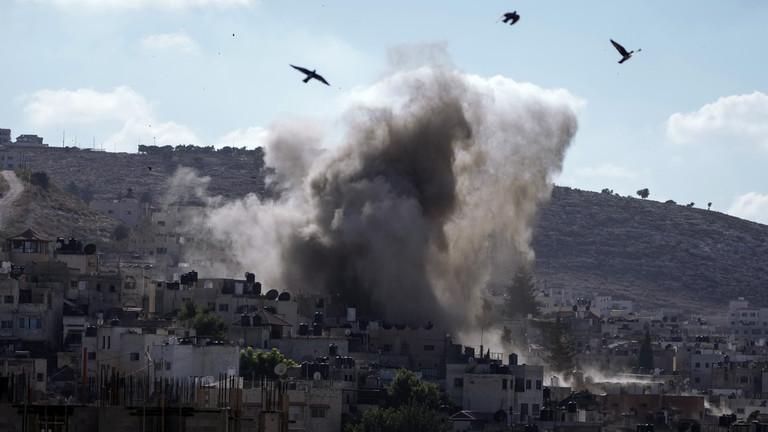
Let’s imagine it happens. Fifty Tomahawks are loaded up, shipped, and quietly deployed somewhere in Ukraine. Maybe they’re used to hit Russian military sites in Crimea or near the frontlines. The strikes make headlines for a few days. Analysts debate whether it’s escalatory. Russia boosts its air defenses and launches a few retaliatory strikes.
Then, the dust settles — and not much has changed.
That’s the uncomfortable truth of this war: no single move seems capable of changing its trajectory anymore. It’s a slow grind of attrition, politics, and fatigue — and every “new” weapon feels like déjà vu.
Final Thoughts
So yes, the U.S. could send Tomahawks to Ukraine. And yes, it would make headlines. But in the grand scheme? It’s a symbolic ripple in a much larger storm. The real battles — political will, industrial capacity, and diplomacy — are still being fought far from the frontlines.
And maybe that’s the real takeaway. Sometimes, it’s not about how many missiles you have — it’s about how long you can keep believing they’ll make a difference.
______________________________________________
🔴 Support Independent Journalism
This work is independently produced without corporate funding.
If you value it, a small donation helps keep it going and supports a senior creator continuing this work.
👉 Support here: I NEED Your Help Today