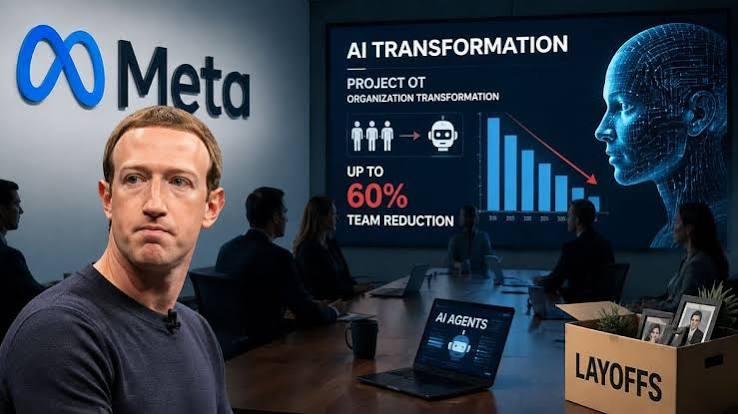
In the fast-paced world of today, Artificial Intelligence (AI) has established itself as an omnipresent force, revolutionizing the way we live, work, and interact with technology. From virtual assistants that anticipate our needs to self-driving cars that navigate complex traffic scenarios with precision, and from healthcare diagnostics that provide life-saving insights to customer service that’s more efficient and personalized than ever – AI has seamlessly woven itself into the fabric of our daily lives. In this article, we delve into the diverse and impactful applications of AI, highlighting the transformative power of this cutting-edge technology.
Virtual Assistants: Enhancing Convenience and Efficiency
Virtual Assistants and AI: Digital companions like Siri, Alexa, and Google Assistant have become integral parts of our daily routines. These AI-powered virtual assistants have not only made our lives more convenient but have also elevated the way we interact with technology. They can perform tasks, answer questions, and even predict our needs. Whether you’re setting a reminder, checking the weather, or controlling your smart home devices, AI virtual assistants have you covered. They learn from your interactions, continuously improving their abilities to better assist you.
Self-Driving Cars: Redefining Transportation
AI and Autonomous Vehicles: Self-driving cars represent a remarkable breakthrough in AI technology. These vehicles use a combination of sensors, cameras, and sophisticated algorithms to navigate roads safely and efficiently. They can adapt to changing traffic conditions, avoid accidents, and optimize travel times. The promise of autonomous vehicles extends beyond convenience, offering the potential to reduce accidents and ease traffic congestion.
Healthcare Diagnostics: A Leap in Precision Medicine
AI in Healthcare: AI has transformed the healthcare industry, offering unprecedented accuracy in diagnostics and patient care. Machine learning algorithms can analyze vast amounts of medical data to detect diseases at an early stage, suggest treatment options, and predict patient outcomes. From detecting diabetic retinopathy to analyzing medical images like MRIs and CT scans, AI is playing a vital role in improving patient outcomes and reducing healthcare costs.
Customer Service: Personalized and Efficient
AI-Driven Customer Service: The customer service landscape has been transformed by AI. Chatbots and virtual agents provide round-the-clock assistance, resolving customer queries and issues with efficiency. These AI-driven systems not only save time but also provide a more personalized customer experience. They can understand and anticipate customer needs, improving overall satisfaction and loyalty.
AI in Content Creation: Empowering Creativity
AI and Content Creation: AI-powered content generation tools are making their mark in various industries. From generating written content to creating visual art, AI can assist in producing high-quality, engaging materials. While it may not replace human creativity, it can significantly expedite the content creation process, leaving room for the human touch in refining and personalizing the output.
Smart Homes and IoT Integration: A Connected Future
AI in Smart Homes: The Internet of Things (IoT) and AI are merging to create smart homes that anticipate and cater to residents’ needs. AI-driven home systems can control lighting, heating, and security, ensuring a safe and comfortable living environment. They adapt to user preferences and learn over time, optimizing energy use and enhancing overall convenience.
AI in Finance: Enhancing Decision-Making
AI in Finance: The financial sector benefits from AI in various ways, including fraud detection, algorithmic trading, and risk assessment. AI-driven models can analyze vast datasets and identify patterns that humans might miss. This has a profound impact on risk management, investment strategies, and the overall stability of the financial industry.
Education and Personalized Learning: Tailoring Knowledge
AI in Education: AI is reshaping the education sector by enabling personalized learning experiences. Adaptive learning platforms use AI to customize content and pace to individual students, enhancing comprehension and knowledge retention. Furthermore, AI can provide valuable insights for educators to improve teaching methods.
Conclusion
______________________________________________
🔴 Help keep this independent voice alive and uncensored.
Support independent journalism and help keep Chris Wick News going.
👉 Support Chris Wick on GoFundMe
In a world where AI permeates nearly every facet of daily life, its influence is undeniable. From virtual assistants that streamline our daily routines to self-driving cars that redefine transportation, and from healthcare diagnostics that save lives to customer service that’s more efficient and personalized than ever, AI applications continue to evolve and enrich our lives. As AI technologies advance, we can expect even more innovative applications that will shape our future.
About the Author