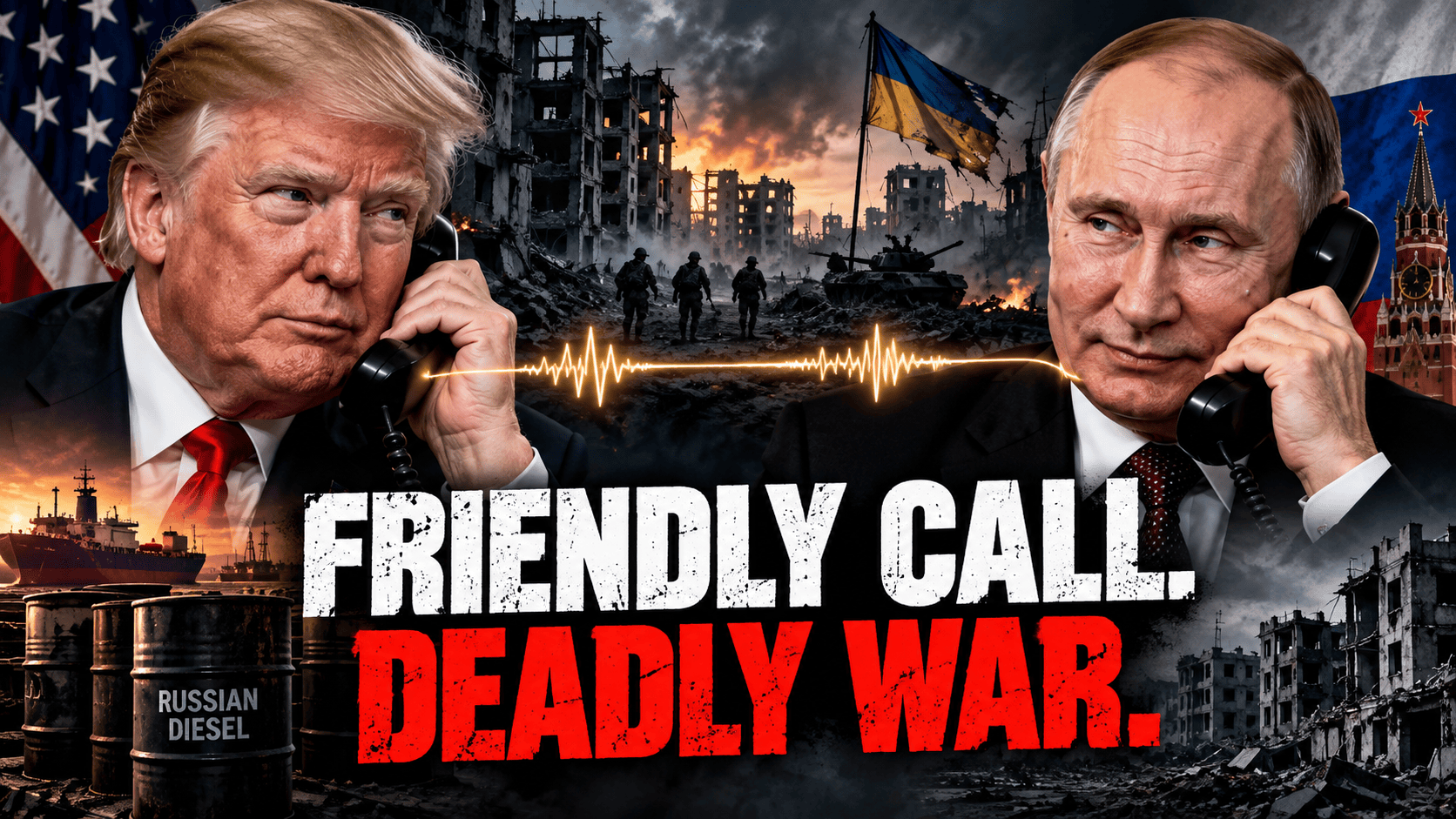
Gas prices are climbing again. Diesel is past six dollars. Credit card balances are exploding. Health insurance costs are straining families. Yet the headlines are full of other stories—ballroom renovations, foreign entanglements, political theater. Most people don’t see the connection yet. By the time it feels real, it may already be too late.
Something has shifted quietly. Both major parties promised solutions. Republicans pledged America First. Democrats claimed progress and inclusion. But reality tells a different story. Americans are last. Rising inflation, stagnant wages, and a weakening dollar are the backdrop while Washington debates everything else. This becomes clearer when looking at spending priorities that seem detached from everyday life.
The frustration is building. People see promises broken repeatedly. Republicans sold the illusion of putting citizens first, yet legislative action often favored the elite or foreign interests. Democrats emphasize social agendas while ignoring the crushing costs ordinary Americans face. What happened next raised more questions about the sustainability of either approach.
Patterns are emerging outside the political spotlight. Home schooling, local farming, and community networks are quietly gaining traction. People are learning to survive beyond the system, creating parallel structures for food, education, and security. A similar pattern appeared in isolated pockets during the 2008 financial collapse—but this time, it’s broader, more deliberate, and increasingly necessary.
The question lingers: how long can citizens endure while governance fails at every turn? The failures aren’t just economic—they are systemic. High living costs, broken promises, and perpetual foreign conflicts compound into a quiet desperation. This connects to a broader shift in how Americans are redefining independence outside the traditional system.
There are no easy solutions. Both parties are failing, and the mechanisms that once guided accountability are fraying. Americans are learning resilience by necessity, not choice. The institutions built to protect and serve are instead serving agendas disconnected from public reality. By observing these shifts closely, patterns begin to reveal themselves—patterns that could redefine the next decade of American life.
What just happened in local and national policy may change how this is understood
A deeper look at these survival networks reveals something unexpected
This may connect to a broader shift that’s quietly underway.
______________________________________________
🔴 Help keep this independent voice alive and uncensored.
Support independent journalism and help keep Chris Wick News going.
👉 Support Chris Wick on GoFundMe
Sources used:
Trump’s approval hits new low as fuel prices surge amid war pressures (Reuters) — widespread concern over fuel costs and public frustration with political leadership.
Soaring healthcare costs are forcing Americans into difficult trade‑offs (MarketWatch) — detailed coverage of rising health insurance and medical costs impacting families.