
Imagine spending five years believing you have a devastating neurological disease, watching your body deteriorate, losing your independence, and then being told the diagnosis was wrong. That is the brutal reality facing actress Christina Applegate. Now, the Hollywood star is questioning whether the breast implants she received following cancer surgery could be contributing to her debilitating health problems.
Five Years of Suffering — and Still No Answers
Christina Applegate, the actress millions remember from Married… with Children and Dead to Me, publicly revealed her multiple sclerosis diagnosis in 2021.
For years, she spoke openly about the devastating impact on her daily life. Walking became increasingly difficult. Pain and exhaustion became constant companions. Even the simplest activities turned into exhausting battles.
Then came a revelation that turned everything upside down.
In October 2026, Applegate disclosed that doctors had determined she did not have multiple sclerosis after all.
For someone suffering from a serious illness, being told you do not have MS might sound like wonderful news.
But what happens when the pain remains, your mobility continues to deteriorate, and the medical explanation you have lived with for five years suddenly disappears?
You are left with the same suffering — and even fewer answers.

Could Her Breast Implants Be Making Her Sick?
During the November 10 episode of her MeSsy podcast, which she co-hosts with actress Jamie-Lynn Sigler, Applegate raised another possibility.
She wondered whether her breast implants could be leaking or contributing to her symptoms.
In 2008, Applegate underwent a double mastectomy following a breast cancer diagnosis and subsequently received breast reconstruction. She now believes her implants are overdue for replacement.
Her concerns resurfaced after she received information suggesting that symptoms associated with breast implants can resemble those of multiple sclerosis.
Applegate described severe joint pain, overwhelming fatigue and difficulty moving her right shoulder. Getting out of bed can take her 10 minutes or longer.
But here is the critical distinction: Applegate has not established that her implants are responsible for her illness.
Her suspicions are not a confirmed medical diagnosis, and her doctors are continuing to investigate.
The Medical Questions That Refuse to Go Away
Breast implant illness, commonly called BII, describes a collection of symptoms reported by some people with breast implants, including fatigue, joint discomfort, muscle pain and cognitive difficulties.
The U.S. Food and Drug Administration acknowledges these reports, but BII does not currently have a definitive diagnostic test. Establishing whether implants are responsible for an individual patient’s symptoms remains complicated.
According to CBC News, Health Canada had received 663 reports of symptoms or illnesses associated with breast implants by the end of 2025.
Those reports do not establish that the implants caused the reported health problems.
Some patients report improvement following implant removal, while others continue experiencing symptoms. Surgery itself carries risks, and removal is not a guaranteed cure.
These uncertainties should not be used as an excuse to dismiss patients. They should be a reason to investigate more thoroughly.
When the Diagnosis Becomes Another Problem
Applegate’s experience exposes an uncomfortable reality about modern medicine.
Medical science can accomplish extraordinary things. Yet a diagnosis can still be wrong, particularly when different diseases produce similar symptoms.
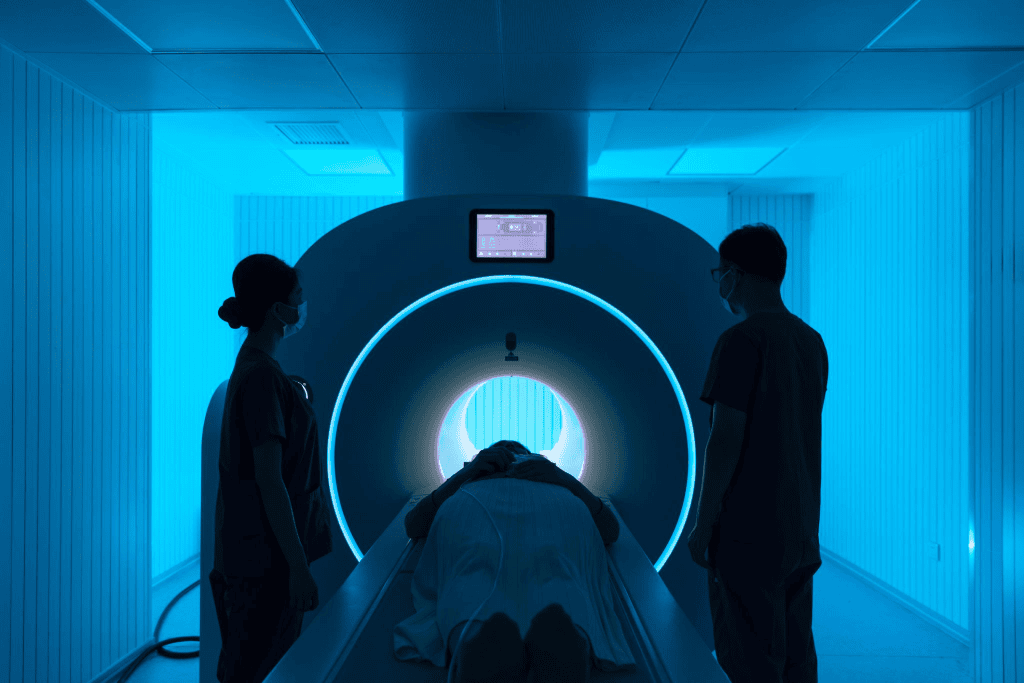
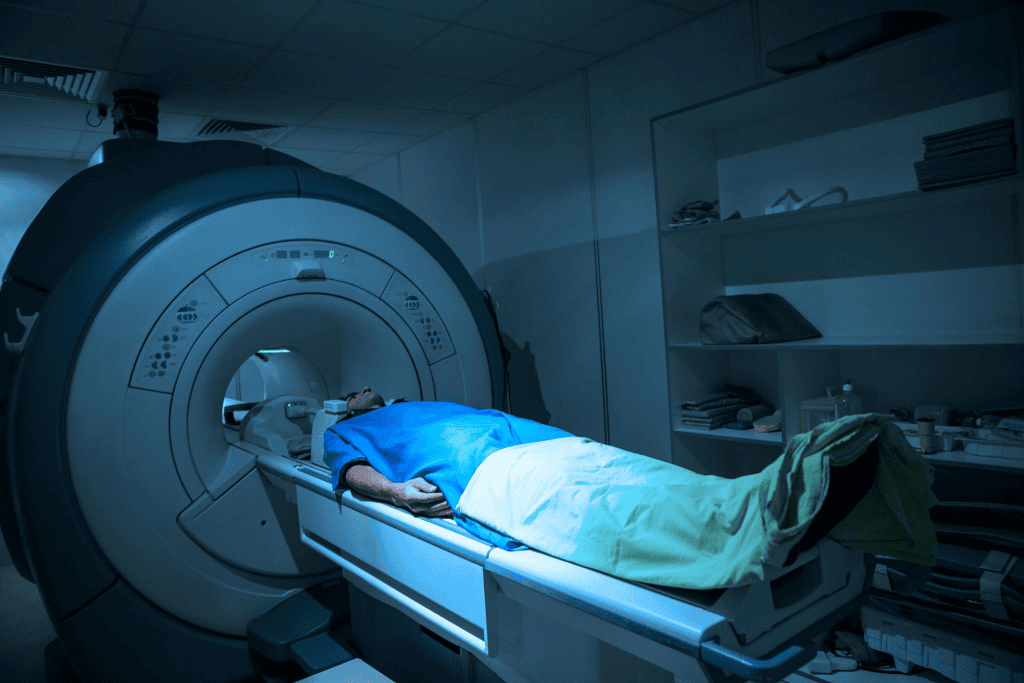
Multiple sclerosis can be especially challenging to distinguish from other conditions. Brain imaging, neurological examinations and laboratory findings must be interpreted together, and even seemingly persuasive evidence can have alternative explanations.
Applegate is reportedly undergoing further evaluation for conditions including rheumatoid arthritis, lupus and Lyme disease.
The broader question is whether health-care systems do enough to reassess diagnoses when patients continue struggling.
A diagnosis should guide an investigation, not permanently close it.
The Dark Reality Behind the Headlines
Christina Applegate has something countless patients battling unexplained illnesses do not have: a public platform capable of attracting international attention.
Imagine facing the same nightmare without celebrity status, without extensive resources, and without the ability to make the world listen.
Her story is not proof that breast implants caused her illness. Nor is it evidence that doctors deliberately failed her.
It is a reminder that medical uncertainty has a devastating human cost.
Five years have passed. The diagnosis has changed. The suffering has not.
And somewhere between the specialists, the medical tests and the unanswered questions is a woman who simply wants her life back.
The most frightening part of Christina Applegate’s story is not that medicine got something wrong. It is that, after five years, she still does not know what is right.
Editorial verification: The original CBC page could not be opened directly, but its syndicated text and independent reporting from AP and CBS corroborated the central story. FDA guidance also confirms the uncertainty surrounding breast implant-related systemic symptoms. I have deliberately kept Applegate’s implant concerns separate from established medical findings
Sources
- CBC News — Christina Applegate questions breast implants following MS misdiagnosis
- Associated Press — Christina Applegate reveals MS misdiagnosis
- CBS News — Understanding multiple sclerosis misdiagnosis
- FDA — Risks and complications of breast implants
How many people are walking around with the wrong diagnosis, suffering in silence, trusting a medical system that doesn’t have the answers?
This story should disturb every single one of us.