For a brief moment, the tone in Washington shifted.
What was supposed to be routine security suddenly felt uncertain—and no one seemed ready to explain exactly why.
What Actually Happened
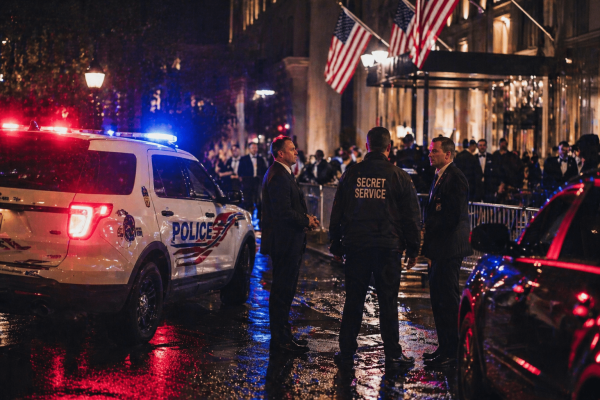
U.S. officials confirmed that President Donald Trump was likely the intended target of a shooting incident connected to the White House Correspondents’ Dinner, an event typically defined by formality and controlled access.
Details remain limited, but the situation triggered an immediate security response, raising questions about how such a threat could emerge in proximity to a high-profile gathering involving political figures, media, and federal protection services.
According to Reuters reporting, officials acknowledged the seriousness of the situation while offering few specifics publicly, citing ongoing investigations and security protocols.
Source: https://www.reuters.com/world/us/trump-was-likely-target-shooting-white-house-correspondents-dinner-us-official-2026-04-26/
Why This Moment Matters
Moments like this tend to reveal more than they initially show.
High-security environments are designed to prevent exactly this kind of threat. When something breaks through—even partially—it raises broader concerns about vulnerabilities that aren’t usually visible to the public.
It also shifts perception. Events once seen as ceremonial or symbolic begin to carry an undercurrent of unpredictability.
The Pattern Behind the Event
This incident doesn’t exist in isolation.
______________________________________________
🔴 Help keep this independent voice alive and uncensored -> Buy us a Coffee <-
Over the past several years, there has been a noticeable increase in politically charged threats and security concerns surrounding public officials. While each case differs, the underlying pattern suggests a more volatile environment—one where risks are harder to anticipate and contain.
What stands out here is not just the threat itself, but the setting. A controlled, high-profile venue experiencing disruption suggests that even layered security systems may not be as impenetrable as assumed.
Where the Tensions Are Building
The pressure is building at the intersection of politics, public exposure, and security infrastructure.
Events that bring together political leaders and media figures are inherently visible—and that visibility creates both symbolic and practical risks. The more public the gathering, the more complex the security challenge becomes.
At the same time, there is growing tension between transparency and operational secrecy. Officials must reassure the public while withholding details that could compromise future security measures.
What This Could Signal Next
The immediate aftermath will likely focus on investigation and containment.
But the longer-term impact may unfold more quietly.
Security protocols could tighten. Public access to high-profile events may become more restricted. And behind the scenes, agencies may begin reassessing assumptions that have gone largely unquestioned.
None of that will be announced all at once—but it rarely is.
Something changed in that moment. Not visibly, not dramatically—but enough to leave a trace.
And the real question now is whether this was an isolated breach—or a signal of something less predictable taking shape.
About the Author