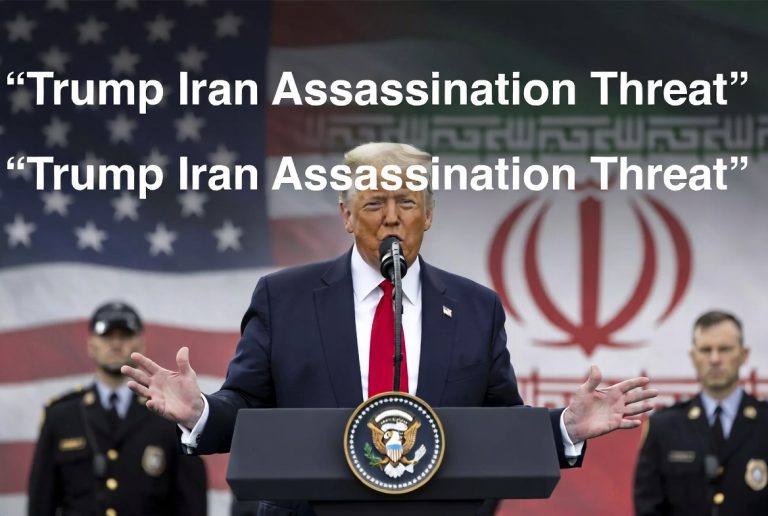
It sounds urgent. Almost rehearsed.
They’re “begging” for a deal… or maybe just “looking at it.”
Depends which version you hear — and when you hear it.
The language has shifted more than once.
That’s not unusual in diplomacy. What stands out is the direction of those shifts — sharper, more insistent, sometimes bordering on theatrical. The claim now is that Iranian negotiators are not only engaged, but desperate.
And yet, outside that framing, the tone feels very different.
Measured. Reserved. Noncommittal.
Almost like two conversations are happening at the same time… and only one is being broadcast loudly.
The phrase Trump Iran negotiation claims has been circulating steadily again, but something about it feels less anchored this time.
______________________________________________
🔴 Help keep this independent voice alive and uncensored -> Buy us a Coffee <-
Less tied to verifiable movement.
More tied to perception.
This becomes clearer when looking at how inconsistencies are handled. In most negotiations, conflicting messages get clarified quickly. Quietly corrected. Smoothed out behind the scenes.
Here, they linger.
They repeat.
They evolve.
Iran’s public posture hasn’t mirrored the urgency being described. If anything, it’s been cautious to the point of detachment — statements suggesting review, consideration, or simple acknowledgment of proposals.
Nothing resembling desperation.
A similar pattern appeared in earlier diplomatic cycles, where exaggerated positioning created the impression of movement long before anything tangible took shape. The language moved ahead of the reality.
And once that happens, the narrative starts doing its own work.
What happened next raised more questions than answers.
Because the audience matters.
Not just foreign governments — but markets, media cycles, domestic voters. Each group processes these signals differently. A claim of urgency can move sentiment quickly, even if it doesn’t hold up under scrutiny.
You can see it in the small reactions.
Energy prices twitching.
Headlines tightening.
Analysts hedging their language.
Nothing dramatic. Just enough to suggest something might be forming.
There’s also the issue of credibility drift.
Not in a single moment, but over time.
When strong claims aren’t matched by visible outcomes, something subtle begins to erode. People don’t necessarily reject the message outright — they just start holding it differently. Looser. With more distance.
You can almost feel it in the silence that follows statements like these.
No immediate confirmation.
No reinforcing detail.
Just a pause.
This connects to a broader shift in how influence is exercised.
Less about proving something is happening.
More about making it feel like it is.
And that distinction matters.
Because once perception takes the lead, it becomes harder to separate signal from strategy. The message doesn’t need to be fully believed — only partially accepted, just long enough to shape reactions.
Meanwhile, the underlying structure hasn’t changed much.
Military positioning remains steady.
Regional tensions haven’t eased.
Diplomatic channels — at least the visible ones — look largely the same as they did weeks ago.
If there is movement, it’s not showing up where it usually does.
So the question lingers.
Who actually believes it now?
Not as a challenge — but as an observation.
Because belief isn’t binary. It fades gradually. Quietly. And when it does, the impact of each new claim starts to shift.
Less immediate.
Less certain.
Still influential… but in a different way.
There’s a possibility that something is happening behind closed doors.
There’s also a possibility that the appearance of movement is the point.
Right now, both explanations seem to coexist.
And neither fully resolves the tension.
What just happened in global oil positioning may change how this is understood.
A deeper look at this pattern reveals something unexpected.
This may connect to a broader shift that’s quietly underway.
Sources used for the article:
Reuters
https://www.reuters.com/world/middle-east/iran-says-no-direct-talks-with-us-despite-claims-2024 BBC News
https://www.bbc.com/news/world-middle-east-iran-us-talks-analysis
Al Jazeera
https://www.aljazeera.com/news/2024/iran-responds-to-us-deal-claims-nuclear-talks
About the Author