The headlines still sound measured. Structured. Contained.
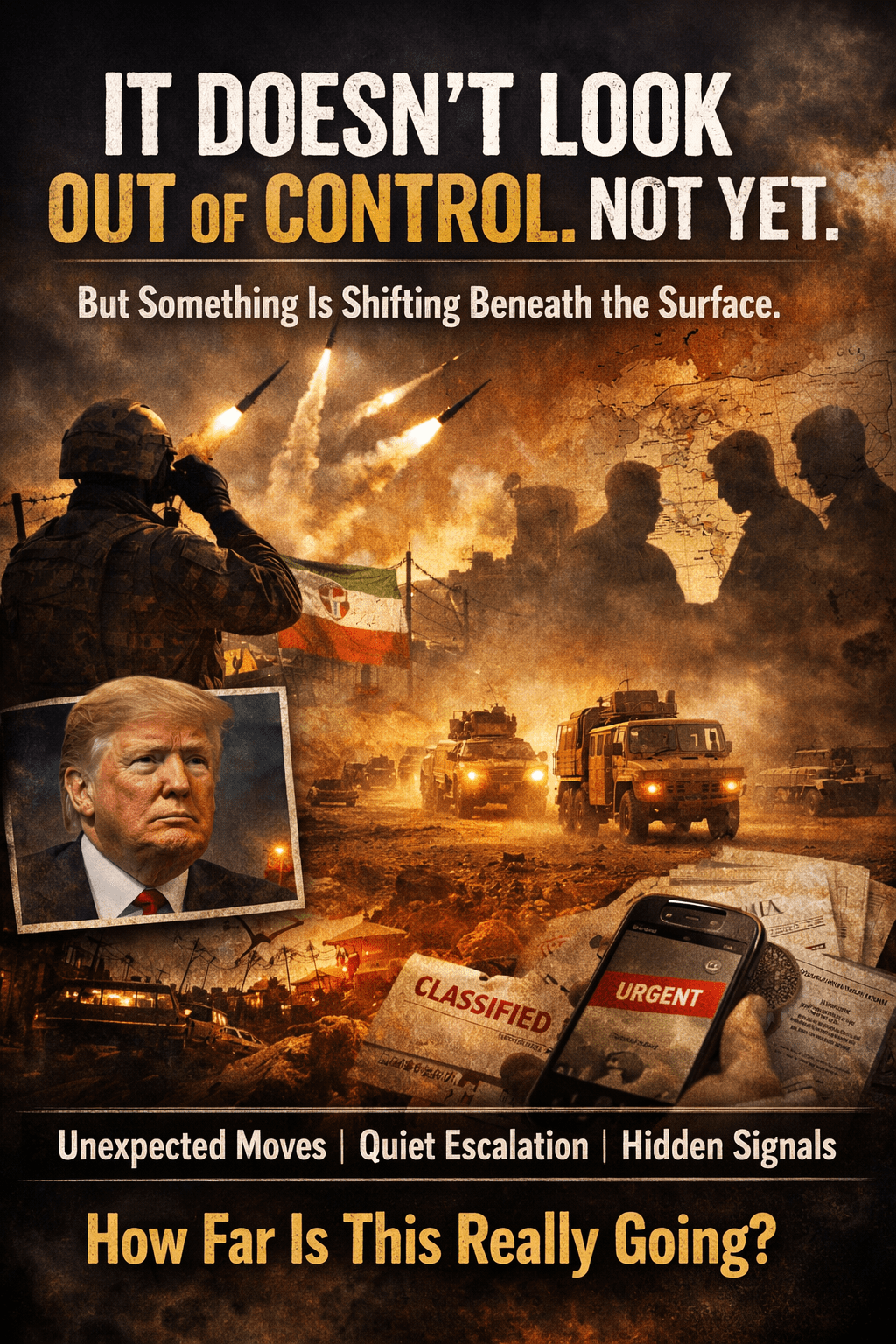
But something underneath has started to slip—and it’s happening faster than anyone is saying out loud.
Three weeks into what was expected to be a limited confrontation, the tone has shifted. Not dramatically. Just enough to notice if you’re paying attention.
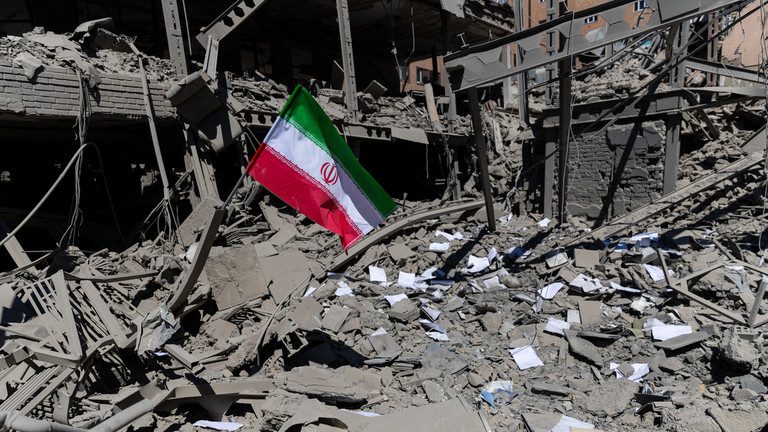
Reuters reported that the conflict involving Iran has moved beyond the initial framework outlined by Donald Trump. That alone wouldn’t be unusual—conflicts rarely follow the script they’re given.
What stands out is how quietly that shift is being acknowledged.
There’s no sudden declaration. No clear moment where things “changed.”
Just a slow widening.
At first, the objective appeared narrow. Strategic. Contained within a familiar playbook—precision strikes, controlled messaging, limited escalation. The kind of operation designed to look decisive without becoming unpredictable.
But that balance depends on timing. And control.
______________________________________________
🔴 Help keep this independent voice alive and uncensored -> Buy us a Coffee <-
And control is often the first thing to erode.
This becomes clearer when looking at how quickly secondary actors begin to move. Not publicly, not in ways that dominate headlines, but in smaller, harder-to-track adjustments—military positioning, diplomatic silence, sudden urgency behind closed doors.
A similar pattern appeared in past regional conflicts, where the official narrative lagged behind the reality on the ground by just enough to matter.
By the time the language changes, the situation already has.
What happened next raised more questions than answers.
Reports began to hint at actions not originally anticipated—responses that didn’t align cleanly with the initial strategy. Not reckless, but reactive. And reaction, in this kind of environment, tends to compound.
Each move invites another.
Each signal is interpreted differently depending on who’s watching.
There’s also the matter of scale.
Not in terms of troop numbers or visible destruction—that’s still being framed as limited—but in terms of involvement. The quiet expansion of who is paying attention, who is preparing, who is recalculating.
This connects to a broader shift in how modern conflicts evolve. They rarely “begin” in a single moment anymore. They unfold in layers, often disguised as something temporary until they no longer are.
And by then, the language used to describe them hasn’t caught up.
There’s a detail that keeps resurfacing in conversations among analysts—timing versus narrative.
The narrative says this is manageable.
The timing suggests something else.
Not a collapse. Not yet. But a widening gap between expectation and reality.
It’s subtle. Easy to dismiss if you’re only scanning headlines.
But the deeper pattern is harder to ignore.
Movements that don’t quite match the messaging.
Responses that feel slightly ahead of the explanation.
A pace that doesn’t align with the reassurance.
And maybe that’s the point where things become difficult to read clearly.
Not when everything breaks.
But when nothing officially has—yet the structure holding it together is quietly shifting underneath.
What just happened in regional military positioning may change how this is understood.
A deeper look at this pattern reveals something unexpected.
This may connect to a broader shift that’s quietly underway.
About the Author