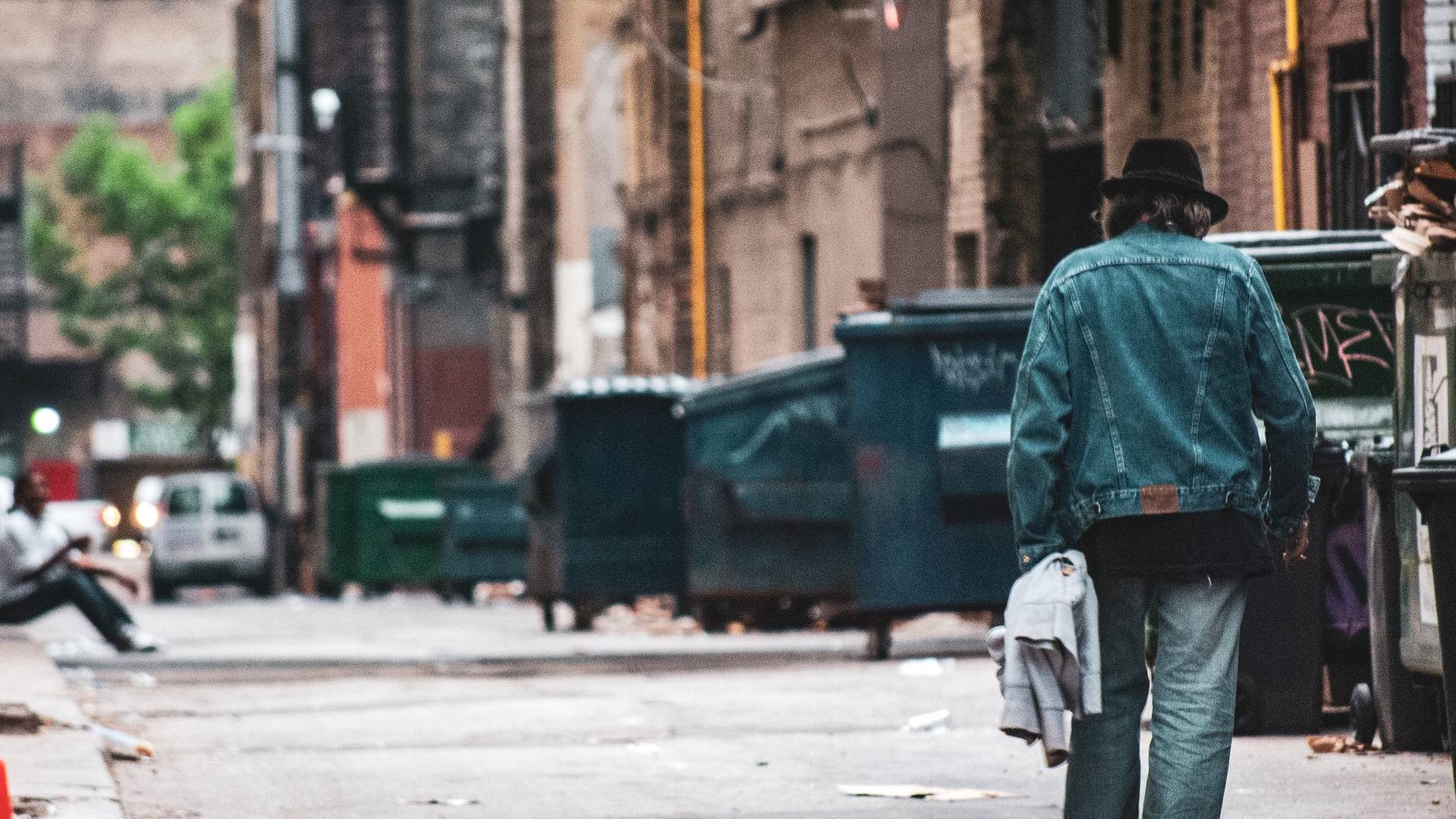
A World Quietly Falling Apart
Have you ever walked through a city at night and felt an unsettling emptiness? The streets are lit, the buildings rise proudly, yet something invisible pulses beneath the surface—a decay so quiet it goes unnoticed by most. Silent cities are not just abandoned streets or crumbling infrastructure—they are the reflection of lives quietly fractured, communities slowly forgotten, and souls left behind. What happens when the very places meant to nurture us become spaces of neglect? This is the hidden decay we pretend not to see.
The Physical Decay of Modern Urban Life
Cities are often celebrated as centers of opportunity, culture, and progress. But scratch beneath the surface, and cracks appear—literally and metaphorically. Buildings abandoned, sidewalks cracked, streetlights flickering: these are more than mere maintenance issues. They signal a larger, more insidious problem: the slow erosion of the social and emotional fabric of urban life.
From neighborhoods once bustling with laughter to blocks now echoing only with silence, the physical decay mirrors a societal neglect. This neglect is not always visible in headlines, but it shapes the daily reality of millions who call these silent cities home.
The Emotional Toll: Broken Souls in Plain Sight
The emptiness of the city streets is a mirror of what happens to the people living within them. Isolation, anxiety, and despair quietly grow in the shadows of modern life. When communities lose gathering spaces, when families are pushed out by rising costs, and when neighbors rarely know one another, human connection—the cornerstone of wellbeing—crumbles.
These broken souls are not always easy to spot. They walk among us, their struggles masked by normalcy. Yet the silent suffering shapes the city’s very energy, casting a shadow over those who remain.
The Causes We Avoid Discussing
Why do cities fall into silence while we carry on as if everything is fine? The reasons are complex. Economic inequality, government neglect, the gentrification of once-affordable neighborhoods, and societal disconnection all converge. Add to this the slow erosion of public spaces and the invisibility of mental health crises, and a pattern emerges: decay is both structural and emotional, physical and invisible.
It is easier to focus on progress than to confront neglect. But ignoring the problem does not make it disappear—it compounds it.
A Call to Awareness and Action
Recognizing decay is the first step to preventing it. Cities are more than buildings; they are ecosystems of human experience. By fostering community spaces, supporting mental health initiatives, and investing in neglected neighborhoods, we can start to heal the broken spaces and the broken souls within them.
Silence does not have to be the final note of the urban symphony. Awareness, empathy, and proactive care can revive what we have left behind, transforming silent cities into living, breathing communities once again.
Conclusion: Seeing the Invisible
______________________________________________
🔴 Help keep this independent voice alive and uncensored.
Support independent journalism and help keep Chris Wick News going.
👉 Support Chris Wick on GoFundMe
The hidden decay of our cities is a reflection of the hidden struggles of the people who inhabit them. It is easy to overlook, easy to rationalize away—but the cost of silence is immense. By opening our eyes, engaging with our communities, and acting with purpose, we can turn broken souls into resilient spirits and silent cities into thriving neighborhoods once more.
About the Author