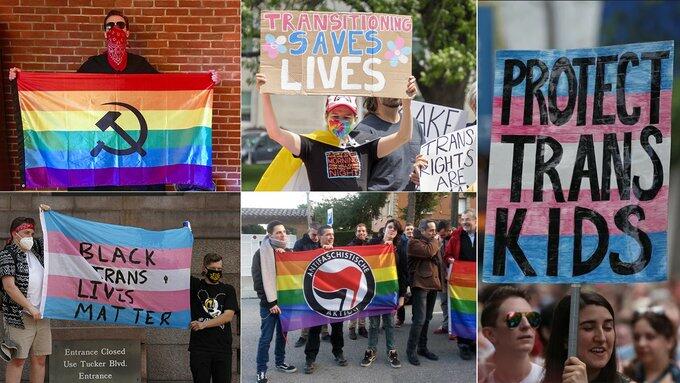
You step into a peaceful protest, megaphone in hand. You’re shouting slogans, marching with friends, maybe holding a sign or two. What if that alone made you a target of terrorism investigations?
Donald Trump just signed an executive order declaring Antifa a domestic terrorist organization. The move orders every federal agency to investigate, disrupt, and dismantle not only Antifa operations but also anyone acting on behalf of Antifa or funding them.
What the New Order Actually Says
- Antifa is described as a “militarist, anarchist enterprise” that wants to overthrow the U.S. government, law enforcement, and the system of laws using violence and intimidation.
- The order accuses Antifa of doing things like: armed standoffs with law enforcement, organizing riots, violently assaulting ICE agents and other officers, doxxing political figures, suppressing lawful political speech.
- It charges that Antifa recruits and radicalizes young people, hides identities and funding, and uses coercion to push political aims.
- Federal agencies are told to use all applicable authorities to go after illegal operations, including prosecuting those who provide material support or those who act “on behalf” of Antifa.
Why This Is Stirring Panic (Legally and Politically)
- No precedent under U.S. law: There currently is no legal mechanism for officially designating domestic groups as terrorist organizations the same way foreign ones are. That’s a major concern.
- Antifa is decentralized: It doesn’t have a single leadership, official membership rolls, or centralized control. It’s more of a movement or ideology. That vagueness makes enforcement slippery.
- Free speech risk: The potential to criminalize speech, protest, assembly—especially for left-wing or dissenting voices—is very real. “Material support” or “acting on behalf of” can be interpreted broadly.
- Overreach potential: Many worry this gives law enforcement sweeping new powers. Donations, social media posts, organizing with groups loosely associated with Antifa could all come under scrutiny.
Who Wins—and Who Loses
Winners:
- The administration, law enforcement agencies, conservative politicians who see this as fulfilling campaign promises.
- Those demanding stricter control over protests and what they consider civil unrest.
Losers:
- Activists, nonprofits, peaceful protesters, journalists covering dissent, donors to progressive causes.
- Anyone who could be caught in vague definitions of “acting on behalf of Antifa,” or “material support.”
What Happens Next—and Why It Now Matters to Everyone
This isn’t just about Antifa—it may be the roadmap for how dissent is treated in America going forward.
Watch for:
- Legal challenges: The courts will almost certainly be asked to weigh in—First Amendment, due process, freedom of assembly will all be tested.
- How “material support” is defined: If donating money, renting equipment, sharing a platform is called “support,” many may become targets.
- Enforcement in practice: Who gets charged first? How broad will surveillance get? How will law enforcement interpret what it means to act “on behalf of” Antifa?
- Public backlash: This could radicalize groups, stoke further division. If people feel their dissent is being criminalized, they might react.
Bottom Line
This executive order may redefine what it means to protest in America. Labeling Antifa a domestic terrorist organization isn’t just a symbolic gesture—it could become the legal foundation for punishing political speech. If you speak out, share a post, march in a rally—under these new rules, you might find yourself stepping into territory once thought protected.
About the Author